
There is plenty to consider when buying, from checks beforehand, to depreciation value, to arranging tax and car insurance.
Read on to find out everything you need to know so you can buy with confidence.
There is no exact formula or guide book to give you the answer to this, but the best way to get an idea of depreciation on the car you are about to buy is to search our used car page to find a car that is the same, or similar to the new car you are considering to see how much it is now worth.
You could also look at previous models of the particular car you are looking to buy and find out year on year how it is holding its value.
If you’re looking to sell your current car, try the free RAC Car Valuation tool for an instant online valuation.
Find out as much as you can about your consumer rights before buying a new car:
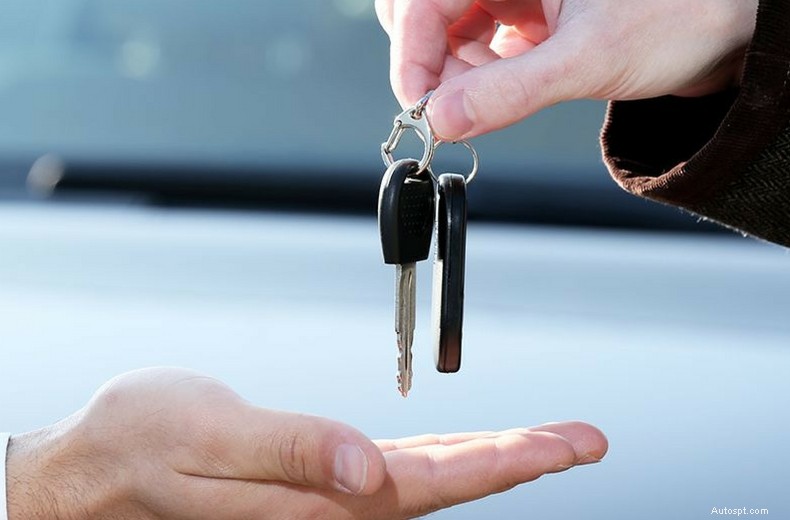
Many dealers will take your old car as part payment, so it's worth asking them to have a look at your current car just in case.
A brand new car should be in pristine condition and have no faults, but check all areas of the car before you buy.
Your dealer should be able to set this up for you but you'll need to have your car insurance sorted.
For tax you would normally also require the MOT certificate, however, this is not the case for new cars as they do not need an MOT for the first three years.
The DVLA can advise you on tax, but remember tax no longer carries over from car to car, essentially tax is personal to you and if you buy a new or used car you will need to tax it immediately.
You would hope your new car won't break down on the way home, but you never know.
Many new cars come with accident and breakdown cover but if yours doesn't then it is advisable to arrange breakdown cover for your new vehicle as soon as possible.
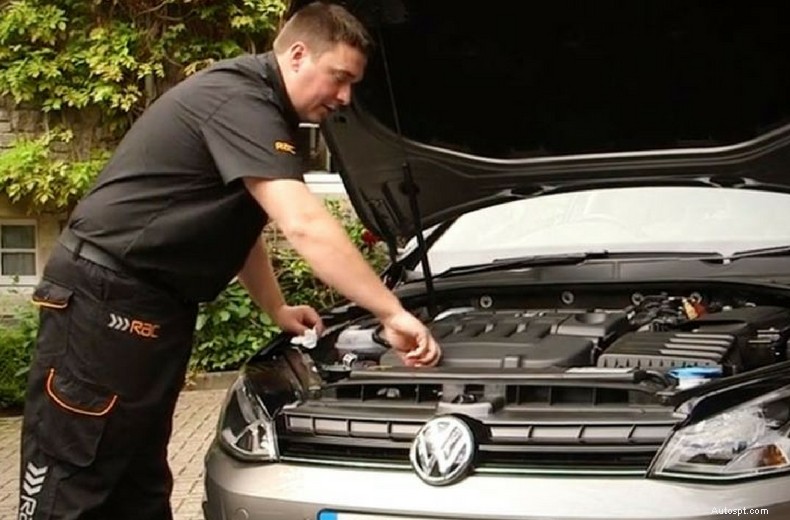
Learn the controls, check the owner's manual for how to change the oil and check your tyres and screen wash, there are a number of regular under the bonnet checks tyou can carry out to keep your car healthy.
Now you're ready for your first road trip in your brand new car!
