
Are you using them all correctly, and could you even identify them?
Let’s take a look at the main types of crossing, pointing out their distinguishing features, so you’re not caught short.
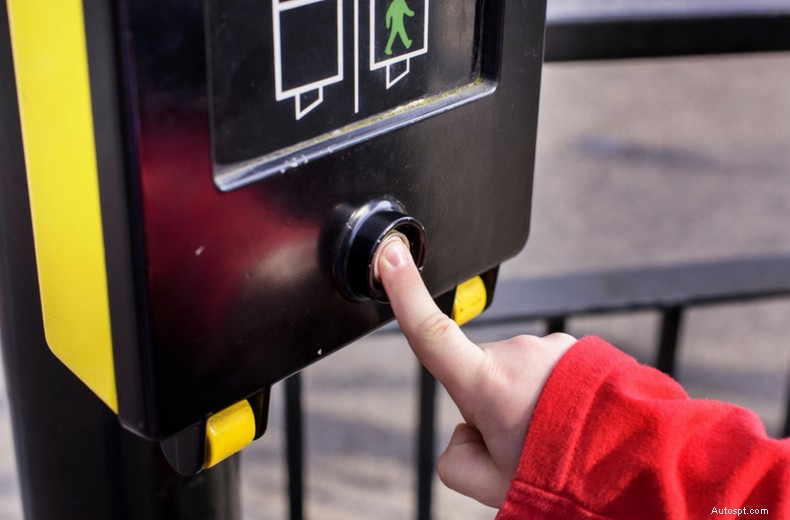
Also known as pedestrian light-controlled crossings – the pelican was introduced in Britain in 1969.
They were the first light-controlled crossing to be operated by pedestrians and controlled by traffic lights.
As you approach a Pelican crossing you’ll see a set of traffic lights with sets of zig-zag lines before and after on either side of the road.
A pelican crossing is activated when a pedestrian pushes the button on the control panel – these are found on traffic lights on both sides of the road.
Pressing the button prompts the traffic lights to switch to red. The ‘red man’ signal for pedestrians – found on the opposite side of the road to where they are standing – will turn to a ‘green man’, letting the pedestrian know it is safe to cross.
Where a Pelican crossing goes straight across the road – even if there is a central refuge island – by law, motorists must wait for pedestrians to have finished crossing and for the light to be either flashing amber or green before proceeding.
If a crossing is staggered – with two different sets of traffic lights and a pedestrian refuge area in the middle – the crossings are treated as separate.
While in use, the ‘green man’ signal may begin to flash – this tells pedestrians not to start crossing but lets them know they can continue to do so if they’re already moving across the road.
A Pelican crossing is the only crossing which has a flashing amber light as part of its sequence. If you see a flashing amber on the traffic lights while at a pelican crossing, it is signalling to the stopped traffic that they must give way to pedestrians already crossing. If the crossing is clear they may start driving.
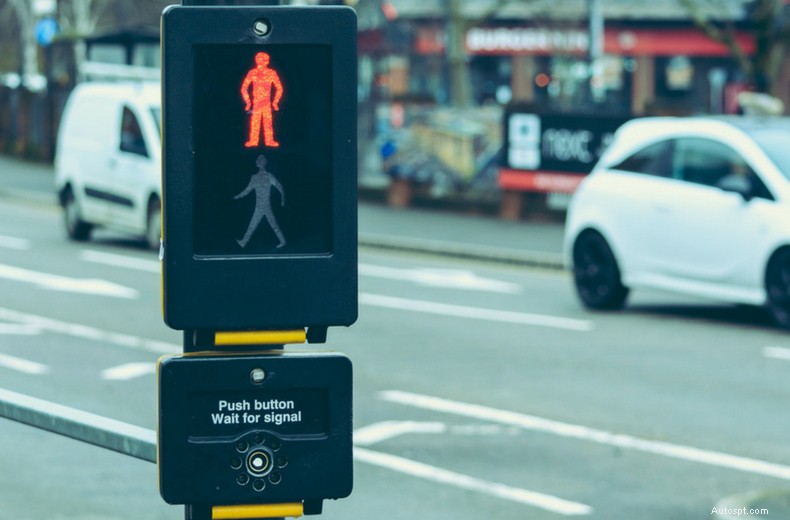
Also known as pedestrian user friendly intelligent crossings – these are similar to pelicans but have the ‘green man’ and ‘red man’ lights on the same side of the road to the user waiting to cross.
Like Pelican crossings – you’ll see a set of traffic lights with sets of zig-zag lines before and after on either side of the road.
Puffin crossings have two sensors on top of the traffic lights – a pedestrian crossing detector (PCD) and pedestrian kerb detector (PKD).
These make the crossing more efficient by detecting whether pedestrians are crossing slowly – which prompts the crossing to hold the red traffic light longer.
If the pedestrian presses the control panel and crosses prematurely or walks off – the sensors will cancel the request.
There’s no ‘flashing’ phase as seen on traditional pelican crossings.
Having the pedestrian signal on the same side of the road to the crosser helps them to monitor traffic and also helps the visually-impaired who may struggle to spot the lights from further away.
Some puffin crossings are also fitted with small rotating handles which tell pedestrians with poor sight when to begin to cross.
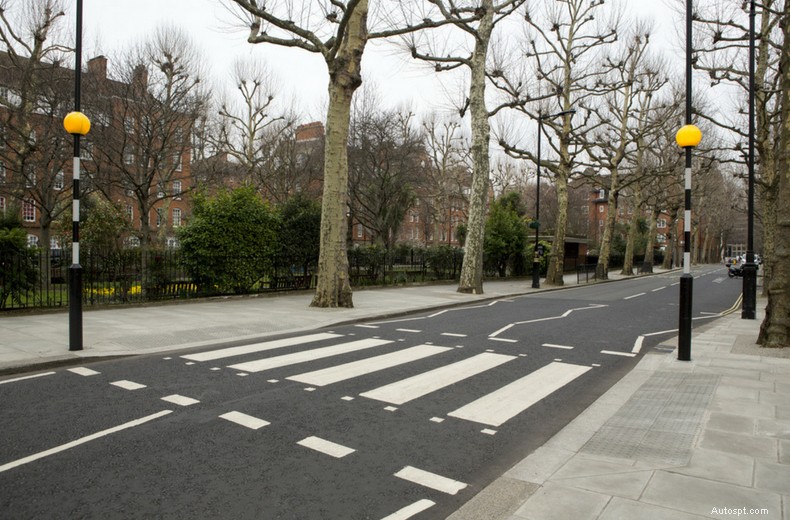
Zebra crossings are black and white walkways which span the width of the road.
The crossings are recognisable thanks to their stripes – these are usually black and white. You can also tell a zebra crossing as there will be zig-zag lines on either side of the road.
You may also be able to spot flashing amber globes on black and white posts – known as Belisha beacons – on each side.
Zebra crossings have no light signal to control traffic flow – the right of way is automatically given to pedestrians.
If the crossing is split with a pedestrian refuge in the middle – they should be treated as two separate crossings.
Drivers should always make sure there are no pedestrians waiting to cross as they approach – taking care to check both sides of the road and ensure they have finished crossing safely before proceeding.

Also called two can cross crossings, these are very similar to traditional Pelican crossings but also provide signals for cyclists to cross.
They look just like pelican and puffin crossings from a distance – but the difference between a toucan crossing and a pelican or puffin crossing, is that they have an additional signal for bikes.
They are usually found on the outskirts of parks or cycle lanes and are wider - around four metres - compared to pelican and puffin crossings which are around two metres wide.
As with Pelican and Puffin crossings, cyclists and pedestrians should press the control panel and wait for either the ‘green man’ signal or the ‘green bike’ signal to show.
They don’t have a flashing stage as part of their signal sequence.
