
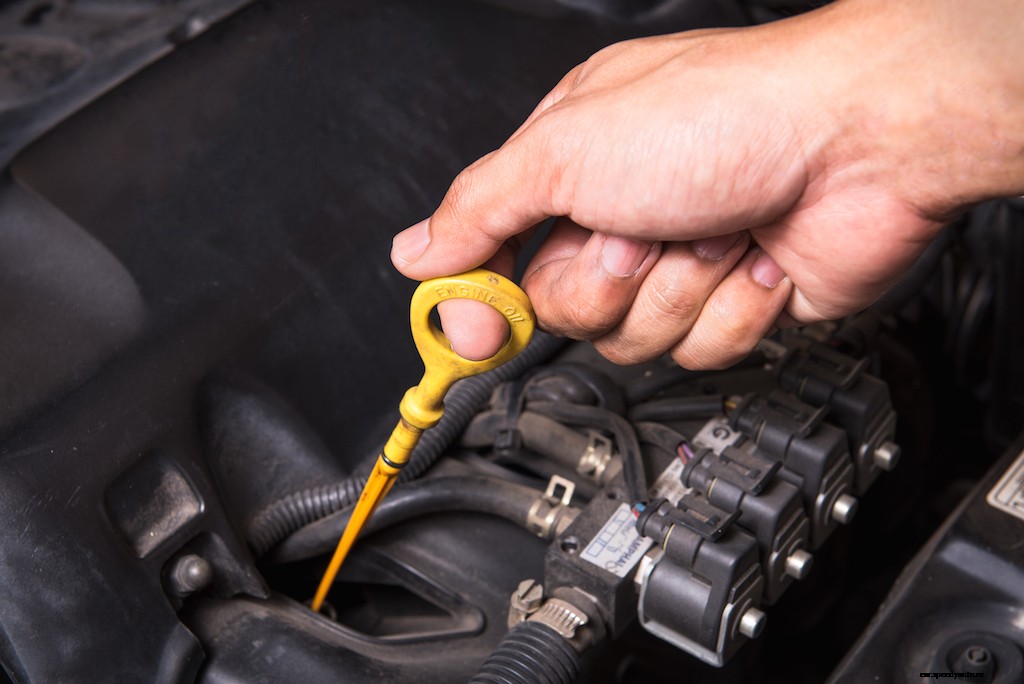
Inquiring minds like yours probably want to know:
Q. How important is it to get an oil change on a regular basis?
Q. Are recommended oil changes just another way for car manufacturers to get you back into the dealership?
Q. Are fast lube oil change shops pushing a false message on you?
It’s hard to know which information to trust, so you’re still left wondering how often to change oil in your car.
Fact: Car engines are made up of many mechanical parts or components. These parts are constantly in motion causing friction between them. With any friction, there is wear so it is vital for these parts to be properly lubricated to avoid breakdown or damage. Engine oil serves as the lubricant to reduce breakdown and friction. Additionally, oil breaks down and may become contaminated with small dirt particles or debris from the engine parts. If this occurs, the engine oil is not serving its purpose well and it’s time to have it changed out.
Having your motor oil changed on a regular basis can greatly improve the longevity and quality of performance that you get out of your car, truck, minivan, or SUV.
Changing your vehicle’s engine oil is one of THE most important services you can perform on your vehicle. But a lot of people tend to downplay this because the benefits of having your oil changed regularly aren’t nearly as noticeable as the risks you run for not doing so.
To illustrate our point, here’s a list of what you can expect when you change your oil regularly.
Here are a few examples of manufacturer recommended engine oil type and capacity of motor oil required given the engine size.
Recommended brand of oil: Pennzoil Ultra Platinum Full Synthetic Motor Oil. Capacity quoted above are with the removal and replacement of an oil filter.
Now here’s what you’re pretty much guaranteeing if you neglect to change your oil regularly.
There are plenty of other reasons why you should keep up with your manufacturer’s recommended oil change schedule. One of the most critical is to keep up with your vehicle’s recommended maintenance schedule. Many car makers attach a warranty to the expected life of your engine, but failing to perform regular oil changes (and saving proof of having done so) will void that. So keep this – and everything else noted here – in mind the next time you decide you do not need an oil change.
Most auto manufacturers and mechanics recommend you need an oil change as frequently as every 3,000 miles, but you’re not necessarily putting your car out on a limb if you exceed that. In fact, some car makers are citing higher quality oils and engines as the reason behind revised recommendations that suggest waiting 5,000-7,000 miles between changes. Still, having your oil changed at more frequent intervals won’t exactly hurt your car. If anything, it’ll ensure greater longevity and higher performance. And who doesn’t want that?
Want to know out how much an oil change would cost for your vehicle? Try Openbay to compare estimates from repair shops in your area and book an appointment instantly.
