
Want to know about the Difference between Crankshaft and Camshaft? You’ve landed in the right place.
The crankshaft converts power generated by combustion into the rotational motion needed to propel the vehicle. In the valve train, the camshaft opens and closes the valves to match the 4-stroke cycle of the pistons.
Read on to find more about the differences of crankshaft and camshaft!!
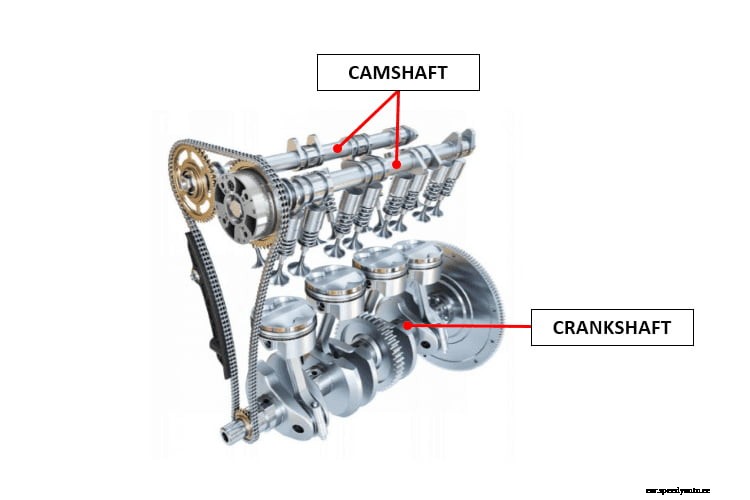
Table of Contents
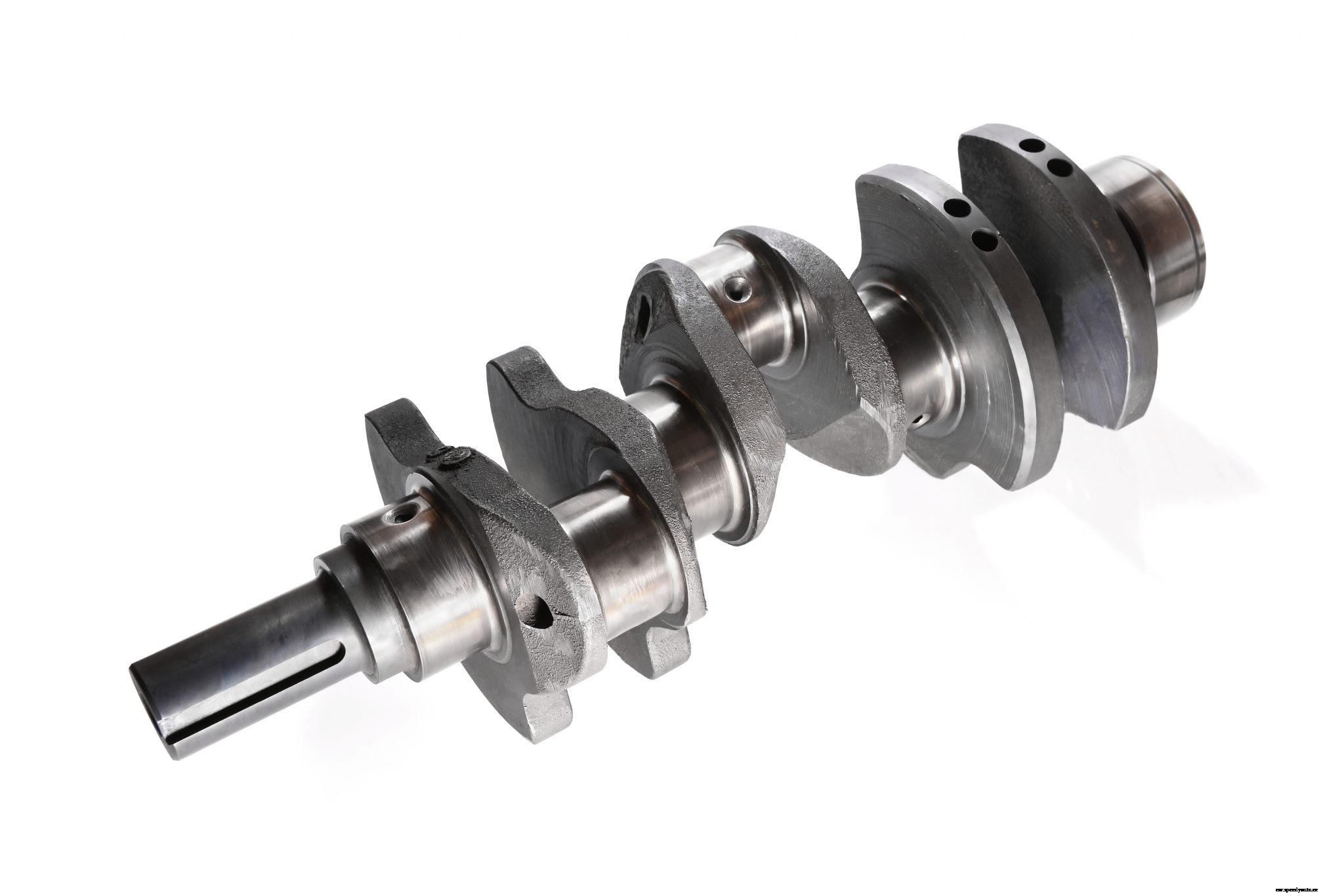
The crankshaft converts the power from the pistons’ up and down motion to rotating power to move your vehicle.
The crankshaft or crank converts the power from the pistons’ up and down motion to rotating power to move your vehicle. The pistons are attached to the crankshaft. They create compression inside the cylinders when fuel is injected and then ignited.
The energy produced in the cylinders by the pistons causes the cylinder to rotate the crankshaft, which, in turn, provides the power to make your vehicle run. When everything runs smoothly, you get the performance your engine was designed to produce. Manufacturers use a sophisticated system of sensors to monitor engine functions.
Sensors send an electronic signal to the onboard computer, sometimes called an ECM (Electronic Control Module,) where the data is analyzed and responds to that data to determine what the engine must do to continue performing as it was designed to do.
The crankshaft transfers the power created in the cylinders to rotational energy to provide torque to the engine.
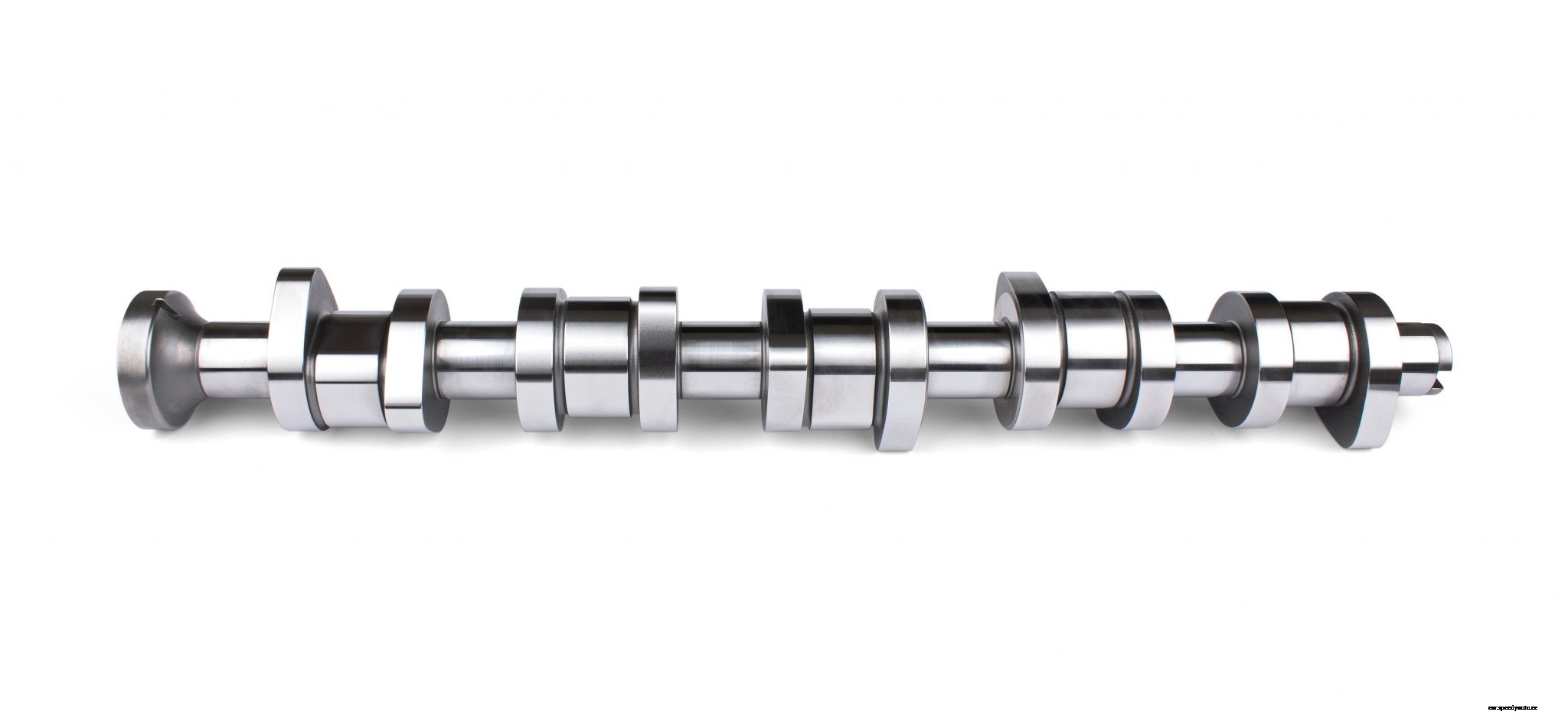
The camshaft is a straight, usually steel, rod with small oval-shaped camshaft lobes that allow the spring-loaded valves on the top of each cylinder to open and close.
Spring-loaded means the valves are designed to remain in the closed position until the camshaft lobe opens the valve by pushing down on it. The camshaft is designed so that it synchronizes with the rotation of the crankshaft to provide power.
Engine manufacturers design engines with two different configurations, single overhead camshaft SOHC or dual overhead camshaft DOHC. Most, if not all, vehicles today use either.
In the past, there was a third option, the camshaft and pushrod configuration. Today, engines are so sophisticated and fuel-efficient that the camshaft and pushrod configuration might only be in specialized engines. This article will focus on the overhead camshaft configuration.
The crankshaft transfers the power created in the cylinders to rotational energy to provide torque to the engine. The power generated in the cylinders then pushes the piston down, which turns the crankshaft that provides the forces necessary for the transmission to operate. It works simultaneously with the cam. The crankshaft uses a timing chain attached to the camshaft on the engine’s top, which provides power.
Here is a brief analogy. The crankshaft might be similar to a heart, and the camshaft is similar to the muscles, which allow the heart valves to open and close so blood can flow. Both must operate correctly for your anatomy to maintain health.
If the camshaft is damaged, likely, the vehicle will only operate for a limited time, but the car will run poorly, if at all. On the other hand, if the crankshaft is damaged, the engine probably will have to be replaced. If the engine cannot provide torque to drive the transmission, it will not move. This illustration shows a basic engine with dual overhead cams on the top and the bottom of the crankshaft.
Notice that the diameter of the camshaft is much smaller than the crank. The camshaft is not as robust as the crankshaft because the camshaft operates delicate valves. The crankshaft runs from the power of huge pistons.
The camshaft allows the correct valves to open and close at the right time in each cylinder. This function is known as the firing order. The camshaft controls the firing order. There is only one correct sequence in the cylinders’ firing order for the engine to provide the torque to the crankshaft, which powers the transmission.
A camshaft works in conjunction with the crankshaft to ensure the cylinders fire in one specific order only based on the engine specification. The intake stroke opens the intake valve to allow fuel and air to enter the cylinder. It closes both the intake and exhaust valves on the compression, and power strokes, then opens the exhaust valve on the exhaust stroke.
Although diesel engines do not have spark plugs, the camshaft performs the same function: to open and close valves to provide power. The internal combustion engine has come a long way from the old 20th-century engine made from steel and iron. The camshaft and pushrod configuration periodically needed a valve adjustment to ensure the proper valve clearance.
The engines did not have the tight tolerances they have today. Aluminum, better grades of steel and other materials help the camshaft and crankshaft provide a smooth, fuel-efficient ride.
The camshaft and the crankshaft work together to power the engine. The camshaft operates the valves, which allow the piston to force the crankshaft to turn, which provides power to the transmission. A timing chain would attach the crankshaft to the camshaft at the front of the engine.
The key difference between the camshaft and the crankshaft is the camshaft regulates fuel flow and powers, while the crankshaft converts energy to forward motion. The camshaft makes sure the valves function the way they were designed to. The crankshaft provides the power to operate the vehicle. Both must work together for the car to perform as designed. Is one more important than the other? Not really.
The main difference is if you have a damaged crank, you cannot drive. A damaged crankshaft is rare. It usually means time for a new engine. You can drive a car with a damaged cam, but it is not advisable. You will most likely risk further damage to the engine.
To give an idea about why it is essential to take your vehicle in for a diagnostic immediately, if the check engine light comes on and code P0340 comes up, ponder this.
PARTESTIMATECamshaft Seal$90 - $1,200Camshaft$200 – UPLabor$200 – Up Per HourESTIMATE$600 - $2,500COMP Cams CL12-601-4 for Chevrolet
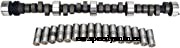
Price range: $499-$524
Check Price at AmazonBrian Tooley Camshaft for Silverado Sierra Vortec
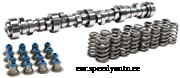
Price range: $439-$459
Check Price at AmazonTexas Speed Low Lift Truck Camshaft
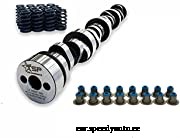
Price range: $389-$419
Check Price at AmazonThere can be a heavy price to pay if the camshaft sensor is not replaced or the camshaft is damaged. The easiest and most cost-effective way to prevent severe damage to the vehicle is to immediately take it for a diagnostic check when the check engine light comes on.
The camshaft sensor works in synchronization with other sensors. Engine manufacturers install sensors to provide data analytics to assess engine performance. Other sensors that are essential and work in unison with the CMP are
Manifold sensorMeasures pressure of manifoldFuel TemperatureMeasures fuel temperatureVoltage sensorMeasures voltageThese are just a few of the many sensors that work in conjunction with the CMP. If the camshaft sensor does not get the correct information to the ECM about the camshaft’s speed and correct ignition timing, many other things can go wrong.
When your engine does not operate at peak performance, there can be ancillary problems. Simple scheduled maintenance tasks such as oil changes, correct tire pressure, coolant level for climate control, and more are monitored through the ECM.
Your safety and the safety of others starts with making sure your vehicle always runs the way it was designed to do. Driving along at highway speeds and suddenly losing power is not only dangerous, but it can also cause a severe or fatal accident.
A dash indication for an ‘oil change due soon’ or ‘wiper fluid low’ do not affect the immediate performance the way the check engine light does. Your vehicle will take care of you if you take care of it. Parts wear out over time and must be replaced.
As mentioned above, the camshaft sensor always operates when the engine is turning. It can wear out over time. The dash indicator is the manufacturer’s way of telling you it is time to remove and replace a part if necessary.
The camshaft sensor works in conjunction with the crankshaft position sensor to ensure your vehicle continues to operate as it was designed to do.
P1345 Chevy: Crankshaft position- camshaft position correlation
High Oil Pressure: Meaning, Causes, Symptoms, and Fix Guide
