
 We here at FIXD are dedicated to not only keeping your vehicle on the road and running, but also empowering drivers to learn more about the inner workings of their car. This being said, there is no better place to start your car education than learning about what might be the most important aspect of being a conscientious car owner: KNOWING HOW TO CHANGE AND MAINTAIN YOUR CAR’S OIL!
Changing your vehicle’s oil may seem like some arbitrary thing that your mechanic does every once and a while, but in reality, your car’s oil is the main thing keeping you and your vehicle on the road. We not only want to give our readers the ability to feel comfortable with the act of changing their oil, but also the ability to better understand the function of your oil, and why it plays such an integral role in your vehicle’s body.
Tools Required:
Additional tools you may need:
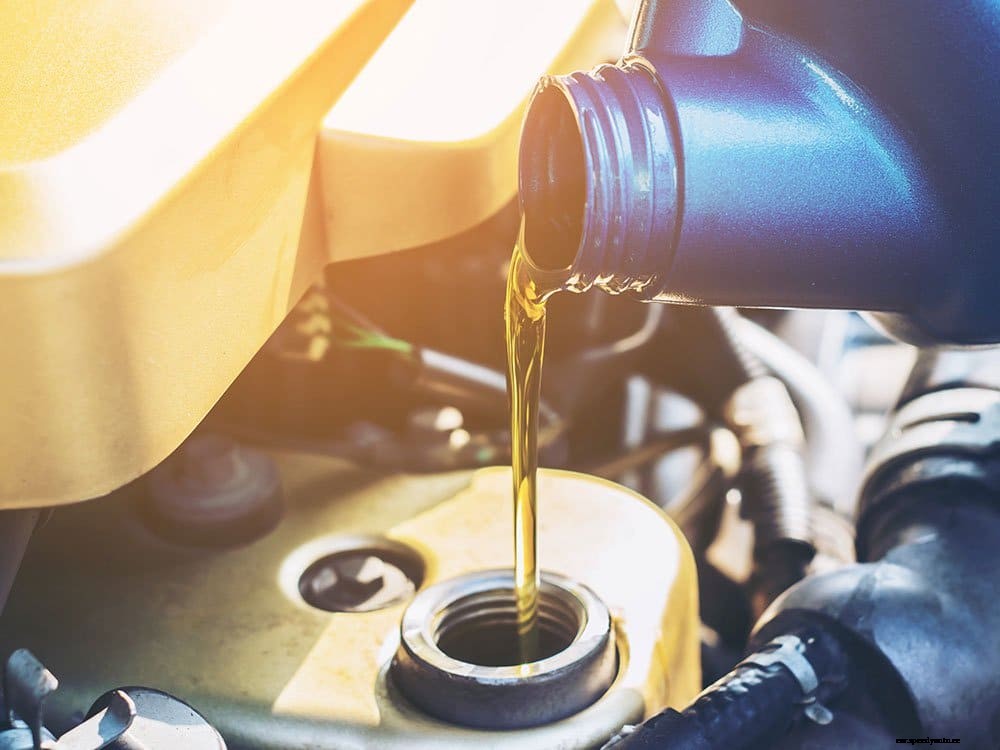
So, what does motor oil do for your engine? A lot of things. Motor oil is as important to your engine as blood is to your body. Just like blood, oil is a complex fluid that acts as a lifeline for all of your car’s most important functions.
Oil acts as a lubricant for all of those moving metal parts inside your engine. When you have a lot of metal-on-metal friction at really high speeds, it can cause a lot of wear and tear on your engine and produce a lot of heat. The reason that there is oil pumped between every moving component is to ensure that there is minimal friction between the internal parts, and to keep them moving together effortlessly.
Motor oil absorbs the heat produced by friction, and helps to cool the engine down and prevent overheating. It also picks up any dirt, grime, or foreign particles in the engine and takes them to the oil filter, which will catch those nasty particles and make sure they don’t damage your vehicle.
This is a very important question, and it deserves a well researched and definite answer. However, the truth is that without knowing your exact vehicle, we can’t tell you definitively which oil is best for you. But DO NOT worry, FIXD is not leaving you at all in the dark!
When searching for the right oil, you will be confronted with a lot of confusing sciency words that probably make very little sense to you! To help you out, we have gone ahead and written specific articles that break down everything you need to know! Don’t know what viscosity means or why all of the motor oils in the stores have some weird combination of letters and numbers on their label? Don’t worry about it! Confused as to what the difference between synthetic and conventional oil is? We’ve got you covered! The important thing to remember is to not be intimidated by all of this information, and to use it as tool that will help you keep your car in tip-top shape.
Motor oil is a complex fluid that breaks down over time, becoming less and less effective each time you start your car. Once the oil breaks down, it will begin to thicken. Thickened oil can’t move through your car’s engine very well, which means less lubrication for any moving parts. The oil will also be less effective at absorbing the heat created by the increased friction, causing your engine to run much hotter than it should. All of this can cause your engine to function improperly, and eventually even break down! This is why it is important for you to consistently change your motor oil.
While in the past the general rule was that you needed to change your oil every 3,000 miles, because of advances in modern oil types and oil filters, that is no longer the case. Now, most mechanics say you can wait until you’ve reached around 7,500 miles before you have to change your oil. The timeline for when to change your motor oil can vary drastically depending on your specific vehicle, so the most efficient way to determine when you should change your oil is by consulting your handy owner’s manual. It should be able to give you the most accurate timeline.
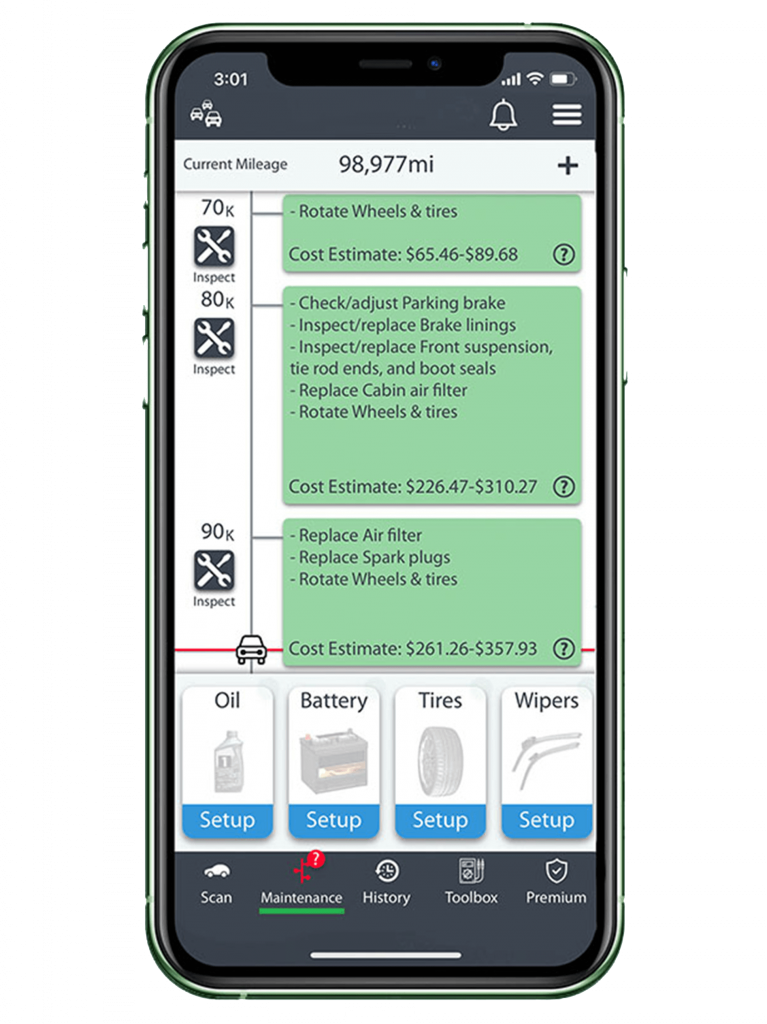
Having trouble remembering when your last oil change was? FIXD can help! Use the Maintenance Timeline in the free app to get automatic alerts when it’s time for your next oil change, based on your specific make, model, and mileage.
As we said at the beginning of this article, FIXD is dedicated to empowering drivers to learn more about the inner workings of their vehicle’s while also keeping their cars safely on the road. Knowing how to change your motor oil and feeling more knowledgeable is important, and if you as a car owner are feeling inspired, we encourage you to give changing your own oil a shot!
However, it would be wrong of us to tell you that you will save a bunch of money by doing it yourself. After doing extensive research and talking to some professional mechanics, we learned that the financial benefits of changing your own oil at home are relatively small, and in some cases nonexistent.
Nowadays, most mechanics and body shops do not charge much for an oil change, and truthfully, they more of use oil changes as a way to get customers in the door as opposed to an actual profit-making service. The benefit of having a certified mechanic change your oil is that you can be sure it was done right, and you avoid all of the tedious steps involved in doing it yourself. Changing your own oil at home can be very messy, and the cost of accidently doing something wrong could lead to serious health problems for your vehicle in the future.
This all being said, whether you decide to change your oil at home or at the shop, its always good to stay informed about the state of your vehicle, and understanding its inner workings will definitely help you save money in the long run!
