
If you’ve driven a car for a long time, you’ll come to realize that you’ve picked up a good number of driving habits. Some good ones which help improve the performance of your car, and perhaps some bad driving habits that ruin your car and drain your wallet. The former are good habits because they let you get the best out of your car, and more often than not, you are aware of what you’re doing right, but the later take a toll on your car in the long run, if not instantly, and with these, you have no idea what you’re doing is wrong until someone points it out and explains why.
We at CarCareHunt decided to compile a list of bad driving habits that speed up the wear of various components or affects your fuel economy, some we’ve had to learn the hard way, others we learned from the mechanic and other drivers with more experience. Hopefully, this article will help make your car last longer as well as avoid unnecessary expenses.
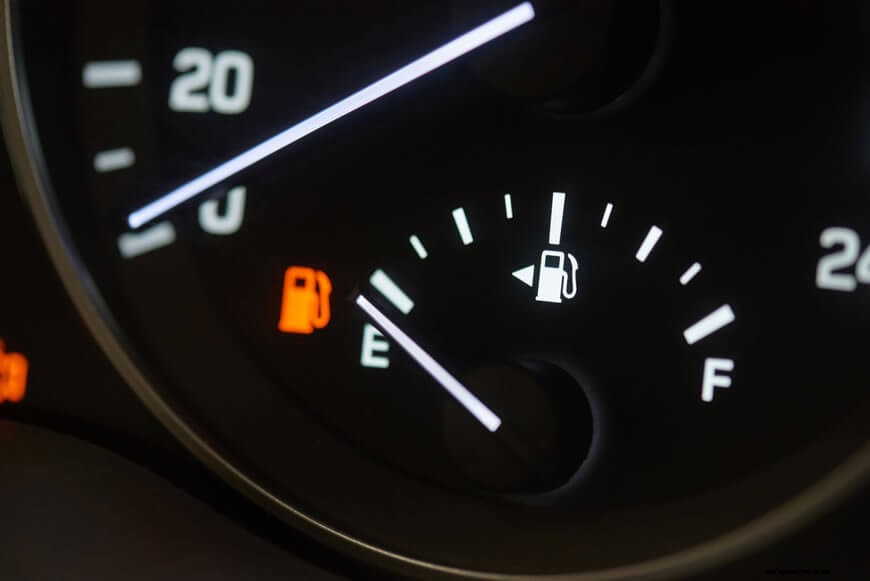
One important tip we touched on in our article about maintaining a car engine was about refilling your tank before it gets to empty.
After many years of driving and numerous tank refills, impurities and sediment collect at the bottom of the fuel tank, and if you occasionally wait for the tank to be in the red before you refill, these impurities might flow with the remaining fuel into the fuel filter, fuel pumps, or worse, into the engine, and cause damage that could be prevented by having at least a quarter of fuel in the tank at all times.
If you are storing your car away for the winter, you should consider leaving it with a full tank or half. This way, there is little air left in the tank to form large amounts of condensate while you’re away.
Drivers who are inexperienced or scared of hitting what’s in front of them are guilty of making unnecessary brake attempts.
Sometimes veteran drivers make the same type of mistake when they’re in a hurry, stressed, or have a lot on their mind.
This is a detrimental habit that leads to visiting the repair shop more often than you should, to replace worn-out brake pads and discs because each time you step on the brake pedal, they are subjected to wear and tear-inducing pressure. The more often you step on the brake pedal, the faster they wear out.
Driving is an art and braking is a skill you need to master. When driving a car, you need to keep your attention on the road and scan ahead – at all times.
When you do these two things you’ll notice sometime, you can anticipate the driver’s move ahead of you. By looking ahead, you can tell that at the current speed you’re going you might need to make a hard stop, so you take your foot off the gas to reduce your speed before you get to that point.
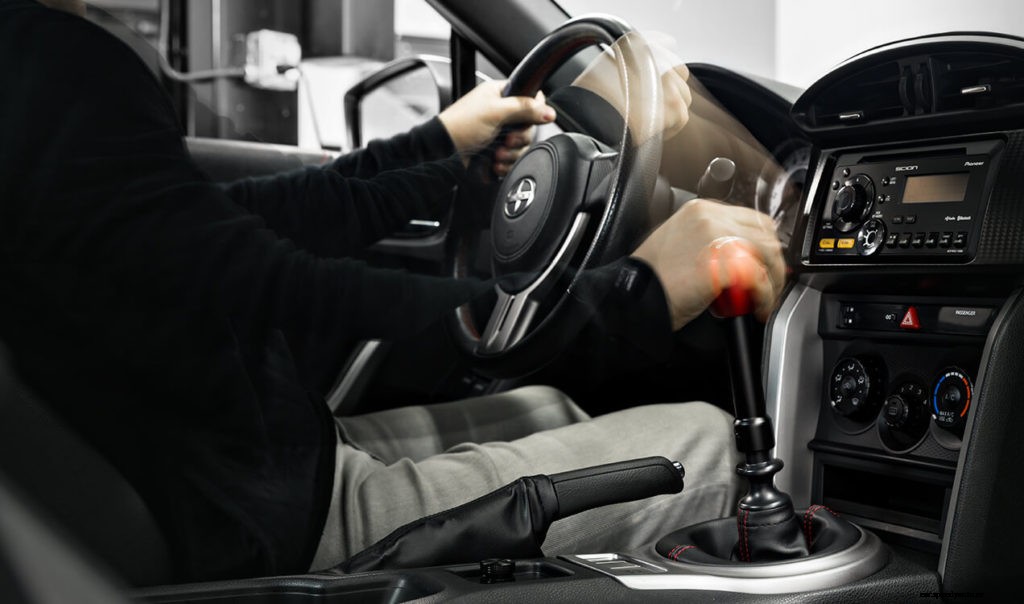
It feels comfortable to rest your hand on the gear selector while you’re driving – I know, ‘been there, done that” – but it’s wrong.
When I was participating in this particular bad driving habits, I thought it was a normal thing because the gear stick felt like it was designed for the palm to be rested on it while driving until a technician told me why it was wrong.
While it’s obvious that you need to have both hands on the steering wheel for maximum control and to keep you sharp, resting your hand on the selector can cause damage to the transmission.
Though it may seem like the pressure you exert on the gear shifter is negligible, over time it will displace gears and synchronizer, which can lead to issues with selecting gears, whether you’re driving a manual or automatic transmission.
If you want to stay on top of car maintenance and fix small problems in your vehicle before they balloon into serious damages, then you need to pay attention to the sounds coming from your car.
One of the obvious signs that something is wrong with your car is annoying or weird sounds coming from the problem location, and if you choose to ignore these sounds, it’s very likely that your car will break down on the road – probably when you need it most.
Most times these sounds might not indicate any harm, but it is import to pull over someplace safe and perform a quick visual inspection.
Though it’s difficult to diagnose a problem from the sound alone, most car parts give off different sounds when they’re failing.
For instance, if you hear a whistling sound from under the hood, then you should inspect the vacuum hoses and check the radiator pressure cap.
If your engine produces an offbeat rhythm while idling, then there may be misfiring in the engine so check your spark plugs.
If you hear a high-pitched squeal from the wheel when you step on the brake pedal, then you might have a warped rotor.
If the squeal is from the engine but it stops when the engine is off, then your serpentine belt might be getting weaker.
If the sound is disturbing and persistent, you should consult a mechanic to figure out what the issue is.
There will always be people for and against warming up a car engine before driving off.
Due to improvements in engine technology, most modern engines no longer need extended idle time to warm up to optimum operating temperature.
You can just enter your car, start the engine and drive off. But, it’s important to wait for the gauge to reach optimum operating temperature before running the engine at 2,000 revs.
The way I do it is simple. When I’m ready to leave with the car, I start it as soon as I step into the driver’s seat, I focus on the seat belt first before moving on to the GPS, then I turn on the stereo.
The last thing I do is check all three mirrors (both sides and central) before I drive off. That’s enough time to get the engine warm and ready, but even with these I still drive at a conservative speed for about 5 minutes so the engine is well lubricated.
I did this particular one more times than I can remember – sometimes I still do it but I correct myself immediately.
The idea behind keeping your foot on the brake pedal when going downhill is to help you control your speed while rolling down the hill, but there’s a better way to manage your speed in such a situation.
When you get to the top of a hill or are about to go down a really steep hill, simply shift to a lower gear and let the engine do the braking for you.
You might hear a different kind of hum from the engine, but it’s very normal.
This way, you avoid making the brake pads wear out faster than they should as well as preventing an overheating of the braking system.
Once again we are back to manual transmissions.
Most veteran drivers will tell you that changing to the next gear earlier (that’s before the engine reaches peak rpm) helps conserve fuel usage by lowering the engine rpm at the same speed.
Though true, it does save fuel, we’ve put this as a bad habit because driving the car at low rpm means your engine has to overcome an increased load while operating with lower oil pressure which is not good for engine durability.
Parking an automatic transmission car on a slope without using the handbrake can put stress on the lock gear of the gearbox’s output shaft, and if you do this continuously might cause it to fail someday.
If you’re parking somewhere that isn’t plain (you should always look for plain ground) hold the footbrake, shift the gear to ‘park’, now, pull the handbrake upwards.
When you’ve done these, you can safely take your foot off the brake pedal – slowly.
You can avoid many problems by using the hand brake.
For instance, this can prevent the car from rolling away and possibly causing damage to other cars.
It also prevents the brakes from getting stuck, especially if they’ve been engaged for an extended period.
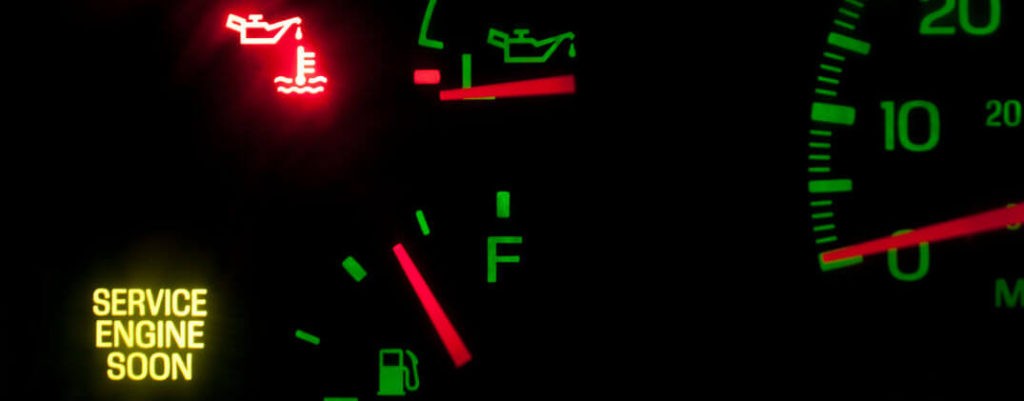
These lights are called ‘warning lights’ for a reason – they try to warn you about a malfunction in the car, which when heeded helps prevent the damage from escalating into something costly.
When one comes on, read the label to get a better understanding of what the issue might be. You can check the manual for more explanation or search the internet if you do not understand the label says.
You can trigger boiling and coking of the oil in your turbo engine if you shut it down immediately without allowing it time to cool down at idle speed, effectively shortening its life.
The recommended way to stop such an engine is to let it run for a minute or two without load for it to cool down.
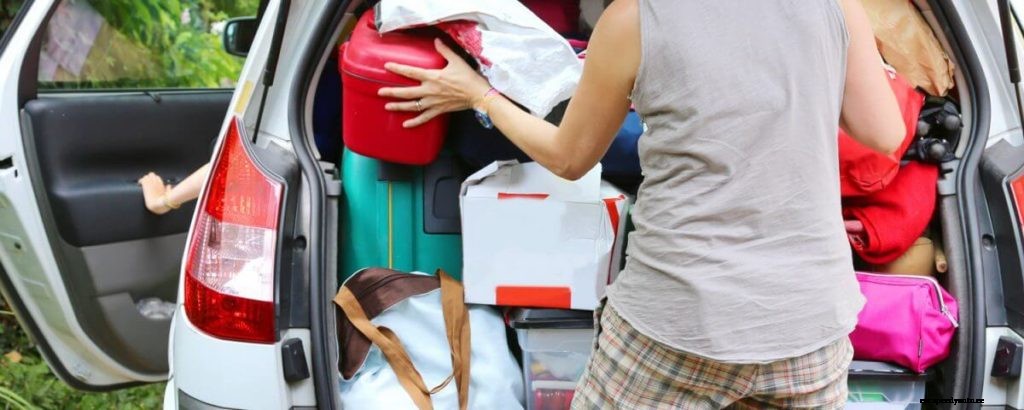
Your vehicle has a preset load capacity, one that’s been tested by the manufacturer.
When you exceed the vehicle capacity, you are putting yourself in danger as well as stressing your car systems – engine, tires, transmission, suspension, and steering – beyond the limit they were built for.
We created a couple of articles that cover driving habits that can extend the life of your vehicle, as well as simple maintenance that can keep your car in tip-top shape. Here are some quick tips:
Following scheduled maintenance is a great way to improve the life of your car and keep your repair bill low. Keep your car happy and in good shape, so it won’t leave you stranded on the roadside.
Good drivers aren’t born; they are built from experience and the zeal to keep a car in optimum condition.
Driving is a skill that is learned over time, and a lot of us were at one time guilty of most of these driving habits, but we learn every day. We hope you’ve learned something that can help you keep your car happy.
