
Picture this:
It’s a warm sunny day and you’re driving on route to the office, shopping mall, home or wherever. Everything seems perfect, or so it seems. Then, you receive a message alert from your smartphone. Curious, you grab the smartphone while your other hand is at the steering wheel and you read the text message. Suddenly, you hit something and the next thing you know, people are screaming outside. Your heart starts racing, and you wonder what the hell is going on as you try to step on the brakes and slow down. That’s when it hits you that you’ve struck down a pedestrian, and you don’t know whether the victim is dead or alive.
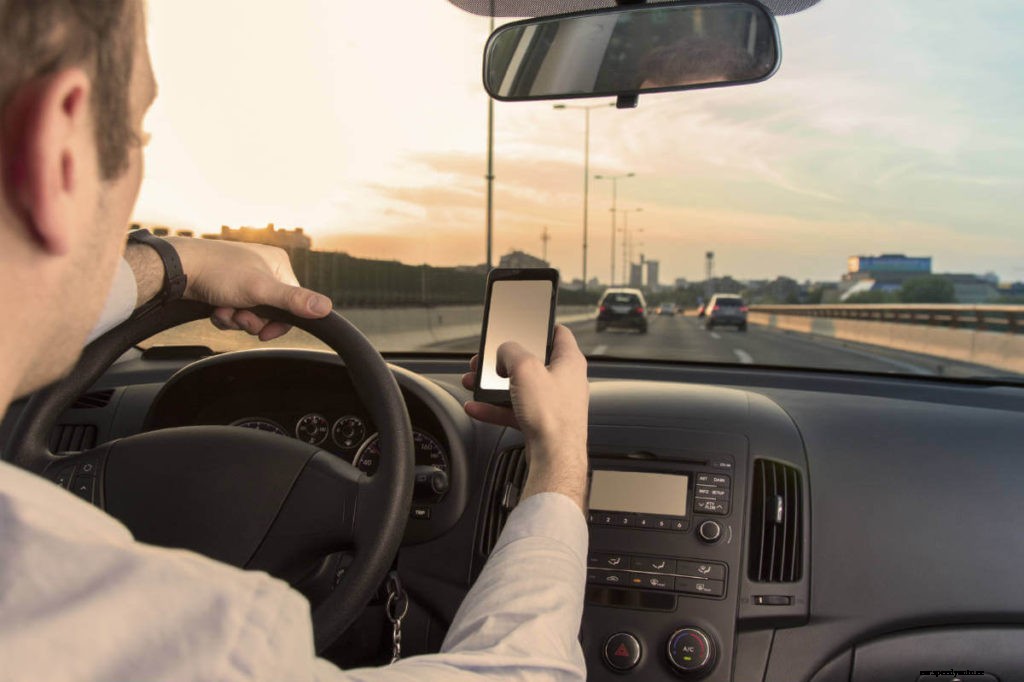
It could happen. In fact, it happens to thousands of drivers every year just because they couldn’t pay their full attention to the road and they had to read that text for 5 seconds. Anyway, it doesn’t have to be strictly texting and driving but anything that is categorized as ‘distracted driving’.
In short, distracted driving is any activity that causes the driver to take his/her eyes, mind and ears off the road. It could be eating and driving or trying to reach for your phone under the car seat.
Heck! It could even be trying to change the radio station while driving or staring at that cute puppy at the side of the road for too long. As long as you’re behind the wheel and whatever you’re doing takes your attention off the road, that is distracted driving. Yes, even applying make-up or daydreaming.
Apparently, at least 25 percent of road accidents are caused by distracted driving. It’s shocking, isn’t it?
When the hour hand hits midnight to mark a new day, 9 people have already perished on the road and more than 1,000 injured due to an accident caused by distracted drivers in the United States alone. That’s according to statistics released by the National Highway Traffic Safety Administration (NHTSA).
There is even more; the biggest culprits of distracted driving are teenagers followed by adults in their 20s. Well, it’s not surprising considering we’re in the age of Facebook, Twitter, Snapchat and Instagram and it’s almost like everything is designed to keep your eyes off the road.
But not so fast, at least 50 percent of drivers have confessed to using a smartphone at least once when behind the wheel, according to a research study done by NHTSA. Let’s be frank, you have probably seen a lot of drivers who were texting, talking on the phone or applying make-up when they were behind the wheel. If you haven’t, maybe it was you.
So the next time you’re tempted to get distracted, think about this: you’re four times more likely to be involved in an accident if you’re distracted than a driver who is focused on the road. But if you’re texting and driving, you’re a time bomb on four wheels since you’re 23 times more likely to be involved in a car crash.
When talking about distracted driving, we can look at it from four different angles:
This usually happens when we visually focus on something else than what is on the road. For example, if you see a clown dancing at the roadside and you twist your head to have a look, or trying to watch a video on your car infotainment system when driving.
This could be anything that interferes with your hearing ability. In other words, if the music is too loud or if there is a crowd at the back making a lot of noise that you can’t focus, that could be an auditory distraction. You’re probably thinking, but the deaf can drive without hearing ability, so can I. Right? It’s different, deaf drivers have adapted to be more alert of their surroundings without hearing capabilities than the average person.
Anything that manipulates you to get your hands off the steering wheel longer than intended or increases the risk of the driver to lose control or react slowly in case of an emergency is considered manual distraction. How’s that? It could be caused by the unrestrained pet or child in the back seat that tries to play with you when you’re driving. Then again, maybe the blame is entirely on you when you try to eat that piece of chicken with your left hand while your right hand is on the steering wheel.
Have you ever gone into deep thoughts and started to think about something else when you’re driving? That’s an example of cognitive distraction. The road could be right in front of you but you’re absent-minded and you didn’t even see the sign that said “slow down” a few miles ago. Of course, it’s human to get lost in thoughts but the laws of physics don’t care if you make a mistake and forget that you’re driving. It’s dangerous!
Besides the different types of distraction driving, let’s have a look at some of the most common causes of distracted driving.
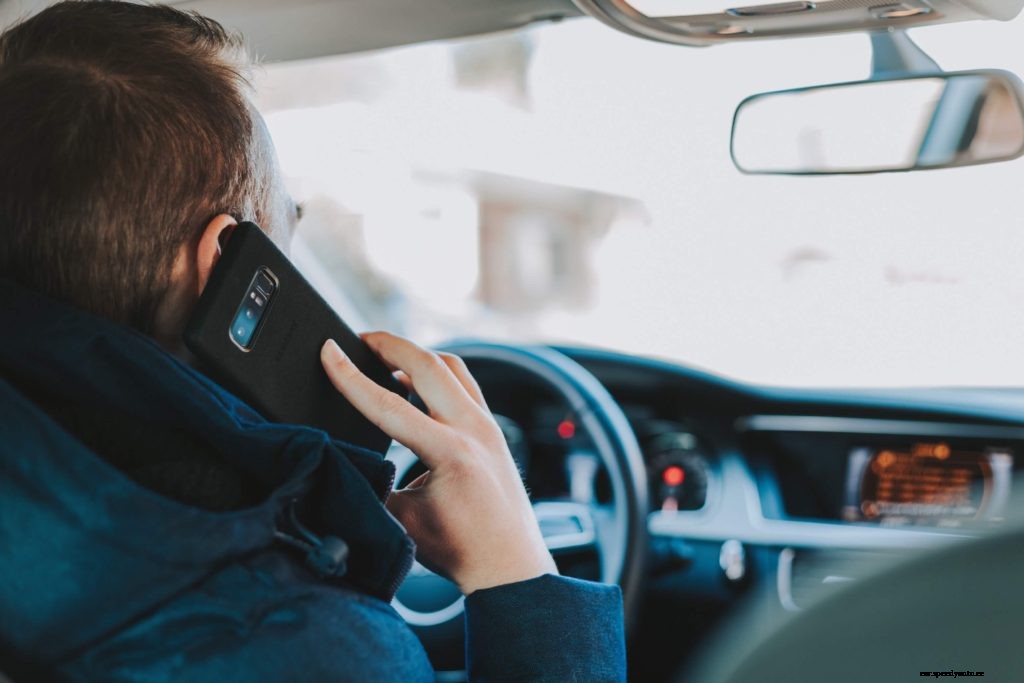
Compared to drunk driving where you can just tell an intoxicated driver to take a taxi or seek a designated driver, preventing distracted driving is not that easy. Why is it so? Most drivers believe they’re better skilled than other drivers on the road. This inflated belief is precisely why some drivers think they get away with common distractive driving habits like using a smartphone or eating and driving.
In the minds of such drivers, distracted driving accidents are something that happens to other people. Occasionally, we see it on the 9 O’ clock news, viral videos online or hear sad tales of people who lost their lives through accidents caused by an episode of distracted driving. However, we’re not special and it can happen to anybody who doesn’t pay attention. It’s more unfortunate when other road users who had nothing to do with it are the victims.
In that regard, how do we prevent distracted driving? An awareness campaign educating drivers on the dangers of distracted driving seems to be effective. Moreover, drivers need to know some of the most common causes of distractive driving to avoid it. If you know an unrestrained pet or child can cause distractive driving, then the next time you drive, you will probably put them in a secure place where they won’t interfere.
Other measures like putting your phone in “do not disturb” mode when you’re behind the wheel or eating and applying make-up after you pull up can go a long way to prevent distractive driving. Basically, you should avoid any multi-tasking activity that makes you lose your focus.
Texting and driving has been prohibited in 48 states across the United States. Similarly, drivers are not allowed to use any hand-held device across 15 states. In addition to that, most states acknowledge the statistics that teenage drivers are the most likely to be distracted while driving; hence 39 states have prohibited novice drivers from using cell phones. Not to forget, it would be illegal for school bus drivers to use cell phones when driving in most states.
Although the statutes are vague on other types of distracted driving such as shaving or applying make-up when driving, there are instances where a traffic officer can issue a ticket based on certain parameters. As a matter of fact, all states except New Hampshire and Connecticut include a category for distracted driving as one of the causes of accidents when filling the police crash report forms.
Things aren’t so different across the border in Canada where all provinces have laws against distracted driving. In some places, such as Prince Edward Island, you can get fined as high as $1275 and lose four demerit points if you’ve been issued with a distracted driving ticket. In other jurisdictions such as Manitoba, you can get your license suspended for three or seven days.
But the real challenge of enforcing laws is catching drivers while doing the act. Unlike drunk driving whereby an officer can set up a checkpoint to carry out standard tests to determine people who are driving under the influence of alcohol or drugs, you can’t do the same with distracted driving. Quite often, you won’t even know a driver was distracted until it is too late. On top of that, investigators will require a warrant to retrieve the driver’s phone records in case of a crash, even if there was an eyewitness.
Beyond the fines and license suspension, any driver that causes an injury or damage can get sued for negligence. But that’s not all; you can be found liable for negligence even if the state that you reside doesn’t prohibit distracted driving behavior such as texting and driving or changing the radio station when you’re behind the wheel. Mind you, if you lose a civil lawsuit, that means you will lose a lot of money to compensate for the injury or damages.
There has been a lot of debate discussing different methods to end distracted driving – or at least reduce the statistics until it becomes infrequent. So far, a few ideas have been floated but it may be a while before they become a reality.
Take for instance the suggestion that drivers who are consistently issued with distracted driving tickets should be issued a hefty fine of at least $2,000, plus have their driving licenses revoked. It seems harsh, but it’s only a matter of time before that driver who tends to text while speeding on the highway causes an accident with fatal injuries. The argument is, if you’re fined $100 or $300 for distracted driving, you will probably break the same rules again if you know there are little or no consequences. However, if there is a possibility you can lose your driving license for a few years or permanently, that is something else.
The solution to stop distracted driving could also come in the form of new technology. Starting next year in 2020, Volvo is planning to install optional tech assistance cameras that use eye-tracking and studies other body movements to watch out for signs that indicate the driver is distracted or impaired. In case you close your eyes or look somewhere else away from the road, the tech assistance will promptly alert the driver. Sometimes, it can stop the vehicle in extreme cases. Now that is a game-changer!
Any more ideas? Perhaps it’s time car owners install an automotive black box to record and detect any patterns that may suggest distraction. The reward could be a reduction in insurance premiums for drivers who demonstrate they’re less likely to be involved in distracted driving accidents through the recorded telematics.
Maybe distracted driving will become a thing of the past when self-driving vehicles will be mainstream and sold in every automobile dealership shop. But until then, we have a long way to go.
Let’s face it:
sometimes driving can be boring. With so many things happening around us, it’s easy to get distracted for just a second. It could even become a bad habit if you’ve done numerous times without facing the consequences.
But remember this: it only takes a few seconds of distracted driving to cause a fatal accident that could either end your life or the lives of pedestrians who were just minding their business.
So the next time you hear that whisper in your mind that tells you to check your smartphone for just 5 seconds or do anything that will distract you, don’t do it. It’s better safe than sorry.
