
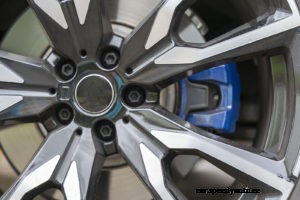
If you notice your car’s new brakes squeaking, you may believe they are defective. But, try not to panic. There are many reasons why new brakes squeak. In addition, the problem may only be temporary.
Here are three common reasons why your new brakes can squeak, squeal, and make other noises.
A brake rotor consists of an iron disc connected to a tire’s hub. Your car’s brake rotors work in combination with its brake pads. When you press down on the brake pedal. The rotors press against the brake pads. This creates friction, which helps you slow your car down or bring it to a complete stop.
Moisture can form on brake rotors, leading to a thin layer of rust. In this instance, a thin layer of rust can develop. The rust can then break off into small particles that become embedded into the brake pads. Thus, wet brake rotors can cause squeaking when you apply the brakes. Fortunately, this problem usually disappears on its own after you press down on the pedal a few times.
Some cars have a drum braking system that has brake drums that rotate with the wheels. Each drum has brake shoes equipped with brake linings.
With a drum braking system, pistons press against the brake drums from inside. This generates a braking force, so the car can decelerate and stop.
A drum braking system requires sufficient lubrication. Otherwise, if the pistons are not properly lubricated, they can scrape against the brake drums. This can lead to a squealing sound any time you use the brakes.
If your car’s drum braking system requires lubrication, bring your vehicle to a professional mechanic. Then, the mechanic can adequately lubricate the system and ensure it works properly.
Your car’s brake pads may last anywhere from 25,000 to 60,000 miles. Their lifespan varies based on your driving habits.
Meanwhile, brake pads feature metal indicator tabs near the base. If the pads wear out, these tabs rub against the brake rotor. The result: a squealing sound that occurs when you apply the brakes.
Worn-out brake pads reduce your car’s stopping power. Therefore, as soon as you notice your brake pads squeaking, take your car to a mechanic to address the issue.
You may notice a grinding noise after you get new brake pads and rotors. This does not necessarily mean your pads and rotors are defective. Rather, your pads and rotors may be stiff, and you’ll need to break them in.
Initially, you may hear grinding, screeching, squealing, and other noises as you break in your pads and rotors. However, these noises will become less noticeable the more you drive your car. Eventually, the noises should subside altogether, too.
There are many things you can do to minimize the risk of noises from new car brake pads and rotors. These include:
Take care of your car’s brakes. If you notice any noises coming from your brakes, get your car inspected and repaired by a professional mechanic.
This blog post was contributed by Fix Auto San Mateo, a leading industry expert and collision repair shop servicing San Mateo.
