
Classic cars operate using an internal combustion engine, creating controlled explosions to generate power. Electric cars, on the other hand, operate using a simple battery, so surely when electric cars grow in popularity, the roads will be much quieter.
Electric cars will not make motorways quieter as the vast majority of noise generated by cars moving more than 20 mph (32.18 kph) or more is caused by the road coming into contact with the tires. Therefore, when driving at motorway speeds, electric and classic cars make a similar amount of noise.
Keep reading to learn more about the noise created by electric cars. We will explore what effects if any, this change will have on the noise of motorways and even towns.
We’ve already established that electric cars will generate a similar amount of noise as a classic car when traveling over a certain speed. However, electric cars use close to silent batteries to power the vehicle. So how come electric cars are not quiet when traveling fast?
Electric cars generate noise on the motorway as most of the noise coming from a modern vehicle comes from a combination of the roads meeting the tires and the air moving around the vehicle. As a result, electric cars produce a similar amount of noise to classic cars at this speed.
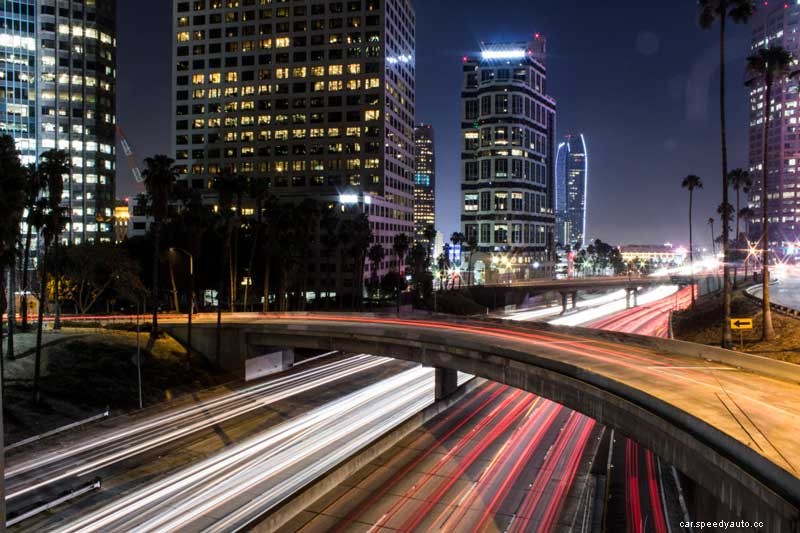
The conditions of the road surface and the electric cars’ tires heavily influence the noise caused by the vehicle. If the road surface is damaged or uneven, the vehicle will likely create more noise. Braking also generates noise in both classic and electric cars.
The weight of an electric car will also affect the noise it makes. Heavier electric cars typically generate more noise than lighter electric cars moving at the same speed.
You already know that electric cars and classic cars cause the same amount of noise when traveling fast. Although we’ve not yet discussed which vehicles are quieter overall, classic card or electric cars?
Electric vehicles are quieter than gas-powered vehicles when switched on and not moving. They are also quieter than classic vehicles at low speeds of about 20 miles (32 km) per hour. However, there is little noise difference between electric vehicles and gas-powered vehicles above this speed.
When cars travel 30 km (19 miles) per hour, they produce noise within 3 decibels of each other. To put that into reference, the human ear can typically only register changes in the noise of 3 decibels and above. Therefore, the difference in noise while traveling fast is undetectable by humans.
The slight difference in volume between electric cars and combination engine cars comes from the noise produced by the engine. Since electric cars don’t produce much noise from their batteries, they’re marginally quieter when traveling fast.
| 0kmph (0 mph) | 10kmph (6mph) | 20kmph (12mph) | 30kmph (19mph) | |
| Electric Cars | 27db | 50db | 60db | 66db |
| Classic cars | 47db | 57db | 64db | 68db |
Electric cars will not reduce the noise levels along busy roads or highways. However, these roads are often away from residential areas, and as a result, the noise causes little disruption. However, in towns and cities, it’s another story. So will electric cars help to reduce noise pollution in towns?
Electric cars will not make towns quieter, but they produce less noise than conventional cars when traveling at low speeds. As a result, the noise generated along small roads or towns will be reduced. However, roads with higher speed limits will not experience any significant changes in noise.
However, the low noise levels emitted from electric vehicles traveling at low speeds cause concern to some. Recently the National Highway Traffic Safety Association ruled that electric vehicles must emit a sound when traveling at low speeds.
This sound produced by the electric cars alerts pedestrians to their presence to avoid any accidents or injuries. While electric cars may reduce some noise pollution in communities across the globe, they won’t make a significant impact.
We found out if Electric Cars Make Noise from the inside and outside, and by how much. Check it out to learn some more!
Most of the noise is created by aerodynamics and tires meeting the road and not the engine’s sound. To see for yourself the noises that you can expect to hear from electric cars, check out this YouTube video:
Electric cars are required by law to make a noise to warn pedestrians of their presence when they’re traveling at a speed below 20 km (12 miles) per hour, which stops pedestrians from walking in front of otherwise quiet vehicles. So what are the sound levels required from electric vehicles?
The minimum noise level for electric cars in the USA is 56db. All electric and hybrid vehicles must produce noise signaling to pedestrians between 56db and 75db when traveling at low speed. This rule was introduced in 2018 to protect pedestrians against unsuspecting traffic.
Electric car manufacturers choose to use various sounds to meet this requirement. Most electric cars use a simple electric ping to meet minimum noise levels, while other electric cars produce sounds similar to those emitted from internal combustion engines.
In cities and towns where there is a lot of traffic congestion, electric cars will produce less noise as they’re almost silent when moving at low speeds.
As a result, electric cars could slightly reduce noise pollution levels in cities and communities in the future.
