
Electric vehicles have exploded in popularity in recent years, and with this newfound success comes competition to find out which electric motor is best. The two most popular electric car engines are permanent magnet motors and induction motors.
Continue reading this piece for an in-depth look into the difference between the permanent magnet and induction motors. I will also explore the benefits and drawbacks of each type of motor.
Permanent magnet motors and induction motors are popular electric vehicles used in various vehicles. However, most people don’t know what sets these two apart. So what are the differences between a permanent magnet motor and an induction motor?
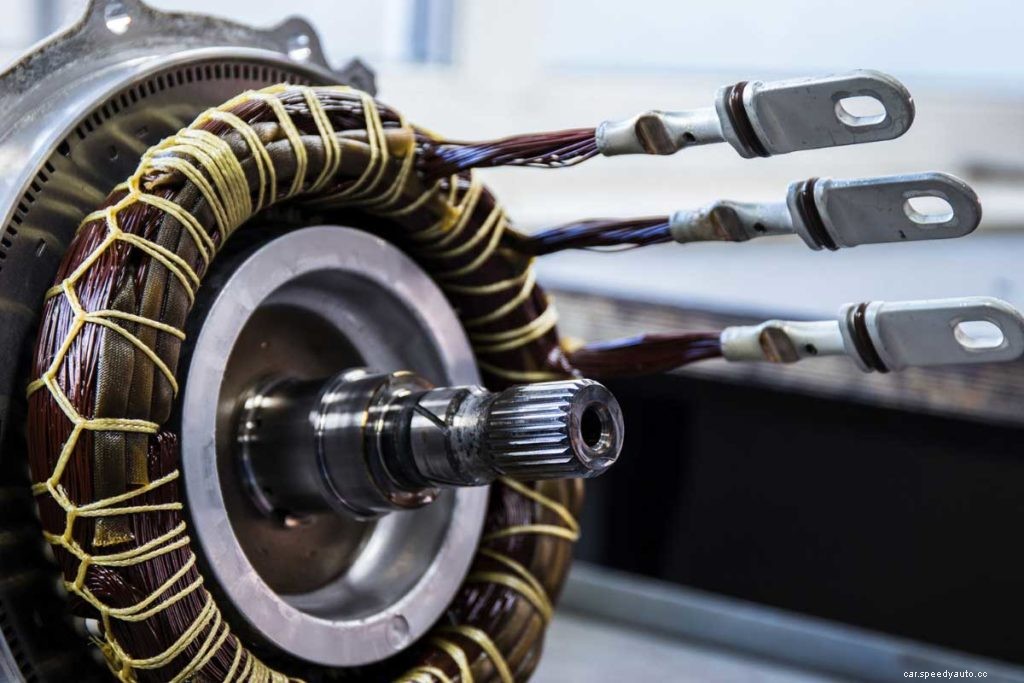
Permanent magnet motors contain a physical magnet inside the motor. A current is then applied to the motor, which generates torque due to electromagnetism. Whereas, an induction motor creates a magnetic field using electrical current to generate torque without containing a magnet.
In general, permanent magnet motors and indication motors operate using similar principles, just in a different way. Apart from this, the only other differences involve the materials used, cost, and performance, and each come with pros and cons, as we can generally see from the table below:
| Motor Type | Cost | Efficiency | Convenience | Drawbacks |
| Permanent Magnet | Expensive to source materials for production | Highly efficient, especially at low speeds | Small in size, great for tiny spaces | Limited speed range; less efficient at high speeds |
| Induction | Low-cost production | Efficient at high speeds, but not as efficient overall | Works reliably in hot conditions | Poor speed control; less efficient at low speeds |
Overall, permanent magnet motors are considered more efficient; but let’s take a closer look at the benefits and drawbacks of each to see why this is the case.
The main pros of a permanent magnet motor are their small size and high efficiency, especially at low speeds. Noteworthy cons are that they are expensive to produce, have a limited speed range, and become less efficient at high speeds.
Here’s a breakdown of the main pros of permanent magnet motors:
If you’d also like to find out How Long Electric Car Motors Last, check this article out. We went in depth and revealed which ones are the best.
And here’s a closer consideration of the cons of a permanent magnet motor:
Now that you know the benefits and potential issues with permanent magnet motors, it’s time to explore the main alternative. What are the positives and negatives of induction motors?
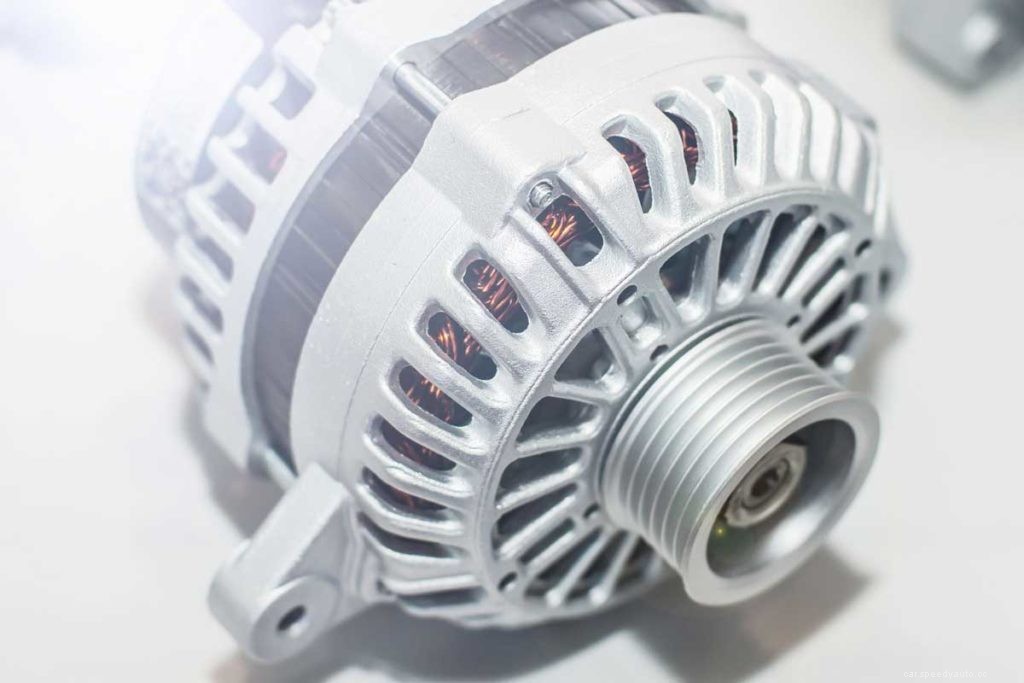
The pros of an induction motor include low cost and high reliability. They work well in hot conditions and are efficient at high speeds. Cons include poor speed control and poor efficiency at low speeds. In general, they’re less efficient than permanent magnet mowers.
Let’s take a look at the pros of induction motors:
And here are the cons of an induction motor:
Electric vehicles are becoming more and more common on the roads. This is in no small part due to people’s growing concern with climate change and attempting to reduce their energy usage. So which electric motor offers the most efficient use of electricity?
ABB Synchronous Motor is the electric motor with the highest efficiency. This motor measured 99.05%, which is the highest efficiency ever reached by an electric motor. This result scored higher than ABB initially predicted when tested in a lab.
Electric motors make up a large proportion of the earth’s energy usage. As a result, switching to motors with higher efficiency can significantly impact energy usage as electric vehicles grow in popularity. As electric motors become more efficient, our reliance on fossil fuels will decline.
Permanent magnet motors operate using a magnet and current to generate torque. However, traditional motors use a conductor like copper and direct current to generate torque. So does a permanent magnet motor also use direct current or does it use alternate current to function?
A permanent magnet motor operates using AC. Alternating current is fed into components within the motor that intersect with the magnet, causing rotation. This differs from traditional electric motors that function using DC.
For a detailed presentation explaining how permanent magnet AC motors work and how to control them, check out this video:
Notably, induction motors also operate using alternating current. Alternating current performs best with these varieties of motors, and it helps to maximize efficiency. DC motors are less effective, less powerful, and less efficient when compared to alternating current motors like permanent magnets and induction motors.
Permanent magnetic motors are more expensive to produce as they often contain rare earth metals. Mining for these metals is often harmful to ecosystems and very costly.
Permanent magnet motors are more efficient than induction motors, especially at lower speeds. Permanent magnet motors also perform better and allow for a smoother ride. However, induction motors are efficient at high speeds and effective.
