
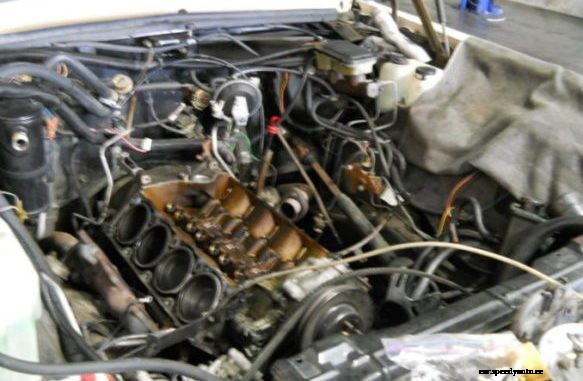
Consequently, not finding the original problem, can cause repeat engine failures; costing a ton of money and inconvenience.
So, repeat engine failures, are nothing new. There are many problems that occur in today’s vehicles; that cannot be fixed by replacement alone. For instance, a failure of an engine, cylinder head, or crankshaft; is only the end result. And, not the cause of the original problem. Computers and sensors control, almost all of today’s vehicles. So, any one of them failing; can actually cause, repeat engine failures.
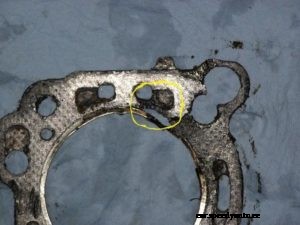
So, the engine, piston, or cylinder head is replaced. But, shortly after, the customer returns with the same or a new problem. Because, finding and correcting the original problem, never did happen.
So, before replacing any of these components; you must first find the original problem that caused the original failure.
Before one minute is spent on diagnosis; be certain that a problem actually exists. If the problem cannot be verified, the problem cannot be; solved or tested to verify that the repair was complete.
The visual inspection is the most important aspect of diagnosis! Most experts agree that most engine problems; can be found simply by performing, a visual inspection.
If a diagnostic trouble code (DTC) is present in the computer memory; it is signaled by illuminating a malfunction indicator lamp (MIL); commonly labelled “check engine” or “service engine soon.”
Check for corrections in bulletins, that match the symptoms. NOTE: (DTCs must be known; before searching for service bulletins. Because, bulletins often include information on solving problems; that involve a stored diagnostic trouble code.)
The best way to look at scan data; is in a definite sequence; that can tell the most about the operation of the engine.
Consequently, narrowing the focus to a system or individual cylinder; is the hardest part of the entire diagnostic process.
The repair or part replacement must be performed; by following vehicle manufacturer’s recommendations. Also, follow manufacturers’ recommended repair procedures and methods.
So, the purpose of this post, is to inform you, in the strongest possible way; of the consequences of not diagnosing and checking; the systems that make an engine operate properly.
Another common mistake in diagnostics is; falsely condemning a part that is really just out of adjustment.
So, computers and sensors control today’s vehicles. Consequently, there may be as many as 20 sensors; feeding information to the vehicle computer.
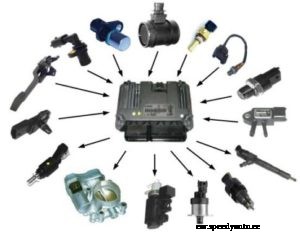
There are other sensors, while not directly attached to the computer; that do affect the information the sensors feed to the computer. Furthermore, these sensors are part of other systems, that allow the vehicle to operate properly. So, all of these systems; must be in proper operating order for the engine to; function properly and have normal combustion.
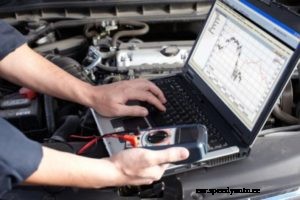
These systems are all controlled by, the sensors that send signals to the computer. So, the result of this information is a properly or improperly operating engine. Consequently, failure of any of the sensors, which supply information to these systems; or failure of the system itself, can cause major engine failure.
So, just as with the original engine, under proper care and maintenance; it is reasonable to expect mileage from remanufactured engines of 100,000 miles and up, if all conditions are the same. The difference then is in the changing over of an engine or part.
So, the sensors/systems that provide information; to allow the engine to run properly; also have 100,000 miles on them.
Therefore, if you have not found the original problem keep looking. Otherwise, you could end up with the installer’s nightmare….repeat engine failures.
