
When you buy or use something, it is good to know the science behind it. Same goes for buying a motor vehicle. You can only give justice by learning the working of your car in order to maintain and use it in a right way. The most essential and quite hard to understand the feature of the car is Transmission system. You would want to learn about how it works.
Transmission mechanics is what drives the car in control. It controls not only the speed of the car but also the torque. This is what you learn first while learning to drive the car. This is what you would want to learn before buying that new car. As transmission system is the main characteristic of the car to differentiate one from another. So, you better be well versed in it.
To help you out, we have listed all the necessary stuff you should be aware of.
A power source needed to drive power transmission system in cars is what a transmission system consists of. It is the controlled application of power; wherein power can be applied according to driver’s requirement.
Such engines generally work on high rotational speed which is undesirable while starting the car. Hence, to slow down the speed or to control, the transmission system is incorporated.
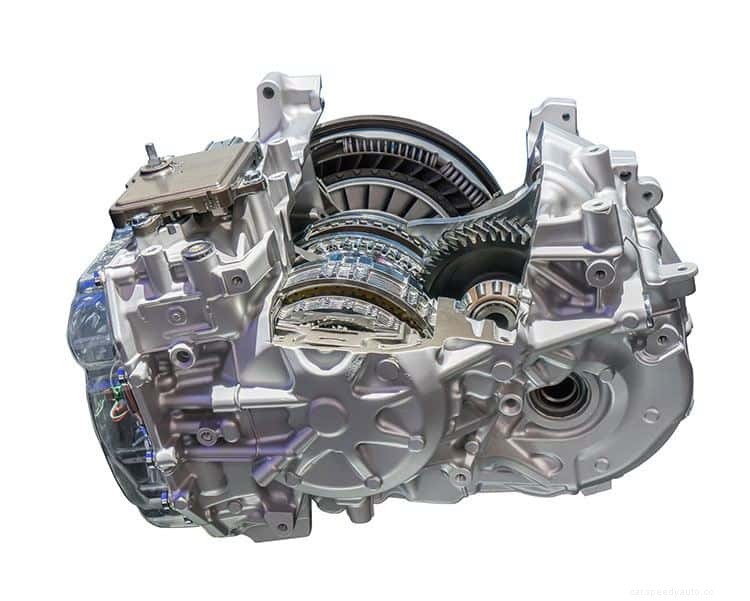
No, you don’t need to be an engineer to understand this. But you got to have a general idea about how does your transmission system is working.
The switching can also be categorized into two types; these include:
If it is too confusing for you, then you can opt for the single-ratio transmission system, wherein you just need to change the speed and torque of the system.
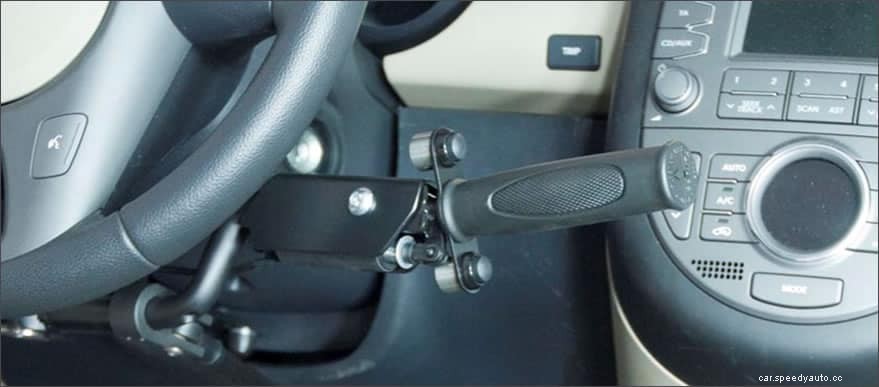
Photo Credit: http://www.occars.ie/index.php/push-pull-hand-controls
These were the first type of transmission mechanics introduced. Cars used have hand gears around 20 years ago. Hand gears typically consist of gear stick or gear shifter to change gears. It is a metal lever attached to a transmission system or gearbox. You can change gear using hand gear while pressing the clutch pedal with your left leg.
These are commonly located between the front seats of your car. It can also be found on center console, transmission tunnel or even on the floor. There is a special shift pattern to operate Hand gears.
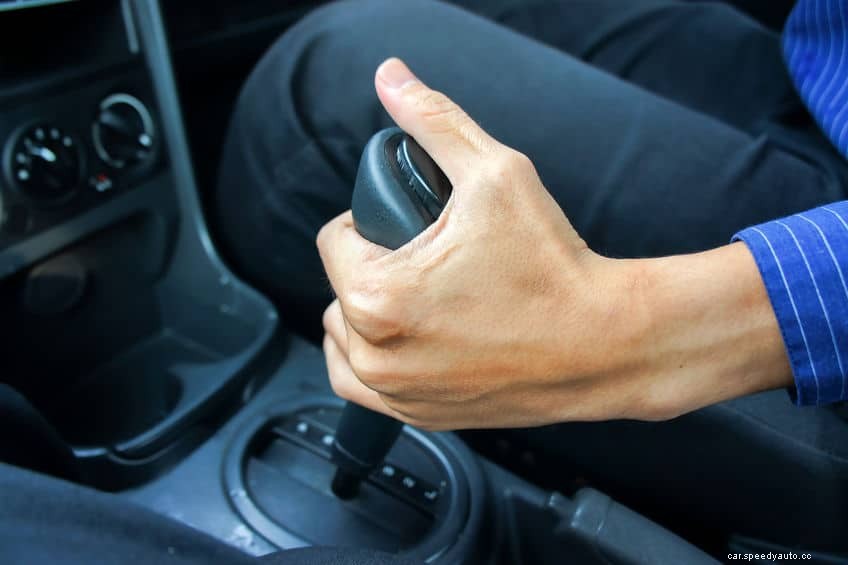
Photo Credit: http://blog.mister-auto.co.uk/tips-tricks/why-choose-an-automatic-car
It is nothing but a manual gearbox in your car. It also constitutes gear stick to shift gears and also has multiple gear ratios. A driver-operated clutch can be engaged or disengaged with the help of foot pedal or a hand lever. Also, gear selector can be operated by foot pedal or hand lever. The typical design consists of a 5-speed manual transmission. There are different stages of manual transmission.
For example, when the clutch is fully depressed, no torque is transferred from the engine to wheels. This way you can change the gears or stop the car. In clutch slip stage, the clutch is neither fully depressed nor fully released.
It should be used to start the vehicle from the rest position. Do not slip the clutch when not required to save energy. The third stage is when the clutch is fully released, and all the torque is transmitted to the wheels.
It is the self-shifting type of transmission system; wherein gear ratios are automatically changed as the car moves. This frees the driver to shift the gears manually. Typically hydraulic automatic transmission is used in most of the cars. It is good to have a number of gears to have a better acceleration of your car. The automatic transmission also has different stages.
For example, P or Park mode will lock the transmission and restrict the movement of your car. R or Reverse mode will put the car into reverse action to drive backward. N or neutral mode will disconnect the transmission from the engine. D or Drive mode will allow changing gears and moving your car. 2nd gear will not allow changing to any higher gear, and same goes for 1 st gear.
This type of transmission is similar to manual transmission except that it is without a clutch. It does not change gear automatically, but it eliminates the need for controlling clutch and gearbox simultaneously. Hence, it is known as semi-automatic transmission. Electronic sensors, actuators, processors, etc. are used to shift the gears in a computerized way. The whole transmission system was designed for better driving experience.
DSG consists of dual clutch, which is electronically controlled. It can be fully automatic or semi-manual depending on the design. It has two separate clutches and gearboxes. This results in fast shifting by eliminating the torque conversion time. P is park mode; N is neutral, D for a drive, S for sports mode and R for the reverse mode. It has advantages of better fuel economy, no loss of torque, smoother and faster gear shifting.
Via : http://gtcarlot.com/data/Porsche/Cayenne/2008/4091/Parts-25137.html
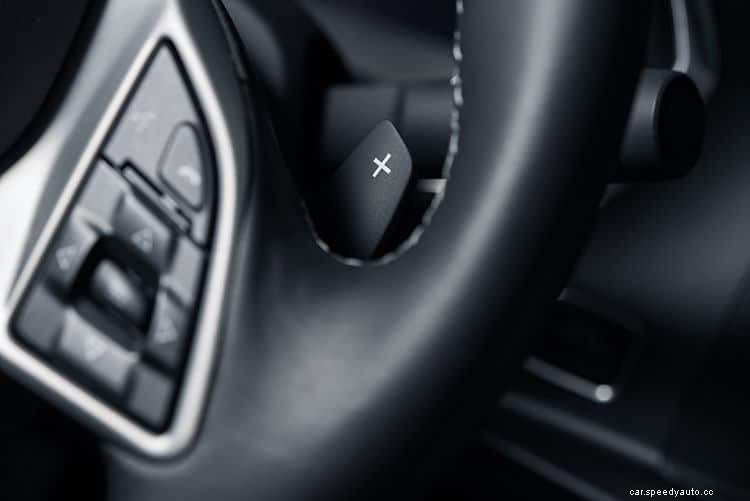
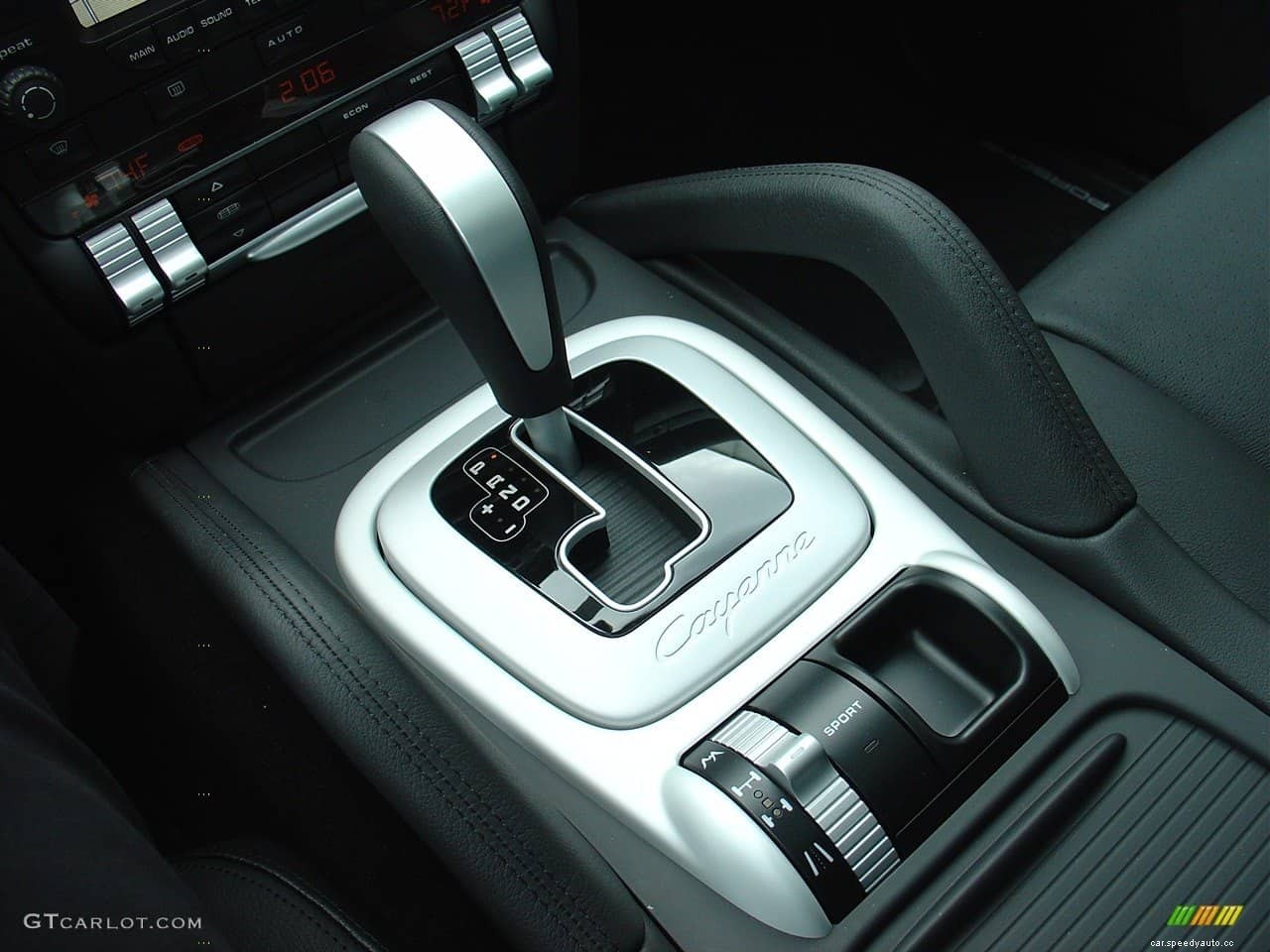
It is a manual shifting automatic transmission. It operates like a normal automatic gearbox, but the gear shifts are selected with the help of a computer. There can be an extra gate in the gear box or steering of wheels with the help of buttons or paddles. It can be used in manual shifting mode.
When you press the shift selector, you select additional shift gate. The additional feature is the Sports gear; wherein transmission can be delayed according to drivers wish to enhance the performance.
This system chooses gears automatically depending on varying engine speed. The driver just needs to send an electronic signal to clutch, which will change the gear automatically. Paddle shifters consist of buttons on the edge of the steering wheel. Some cars will have a special mode for paddle shifters, or it can be used in Drive mode.
These gears provide advantages of both types of transmission, manual and automatic. It is more interactive and controlled experience for the driver as opposed to fully automatic transmission.
Now you have a better idea of how a transmission mechanism works in cars. Hope this helps you to enjoy and buy your favorite cars.
