
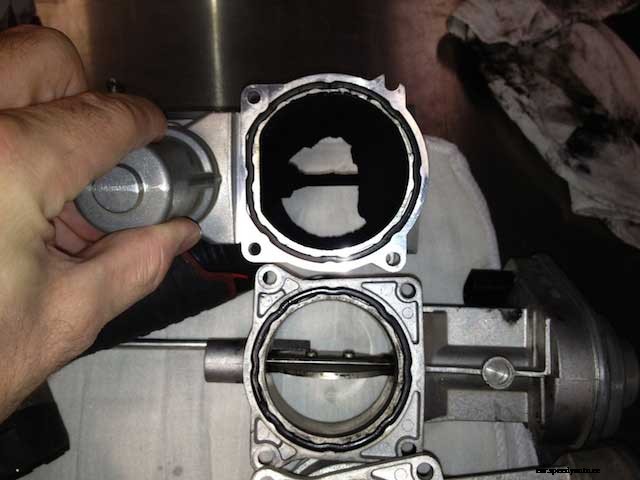
Have you noticed reduced performance in your engine? Higher oil consumption? Overheating? If so, it’s highly likely that your vehicle is experiencing a buildup of carbon internally. Unfortunately, carbon is inevitable as it is a byproduct of combustion. Carbon buildup affects the way your vehicle drives; you may notice reduced engine performance, higher oil consumption, engine knocking or overheating. Before explaining how carbon is built up within the engine, let’s first illustrate what carbon buildup is.
All engines function based on a combustion process. And, since carbon is a byproduct of combustion, parts of your engine will experience a buildup of carbon. Since no system is perfect, carbon typically builds up as a ‘black soot-like’ coating on the interior areas of engine cylinders, as well as intake and exhaust valves. This soot hardens, making it difficult for the engine to rid itself of the carbon and, eventually, making it difficult for the engine to function as it should.
How do you know if carbon is built up in your engine? Besides the fact that your check engine light may have come on, there are other indicators in the way that your vehicle operates that can alert you to a carbon buildup.
A condition of carbon buildup is commonly referred to as a choked engine. Symptoms that can indicate that you have carbon buildup in your engine include rough engine idling, an engine misfire, poor acceleration and performance, reduced fuel economy, or audible knocking or pinging. The latter condition is a very severe symptom that indicates that carbon has built up to an extreme extent and should be rectified by an experienced auto mechanic as soon as possible.
The best way to fix carbon buildup is to prevent it as much as possible before it happens. While carbon buildup is somewhat inevitable, there are steps that you, as a vehicle owner, can take in order to reduce the amount of carbon that is built up in your engine and, therefore, reducing the amount of times service is needed to remove carbon buildup.
While it can seem unnecessary and costly upfront, it always pays off in the long run when you take good care of your vehicle, including preventative and reactive service.
There are a few steps that can be taken to eliminate or reduce carbon buildup. Carbon buildup is serious, so prompt attention to the issue is important.
Note that these steps are for less extreme cases of carbon buildup. As mentioned before, if you notice knocking in your engine, the carbon buildup is likely more severe and these steps will not be enough to rectify the problem.
Even though some of these steps can be conducted on your own (with knowledge of proper procedure) we always recommend taking your luxury vehicle to a trusted auto mechanic where an experienced professional can diagnose the issue and determine the best course of action. Especially when it comes to disassembling, cleaning and reassembling your engine, it’s important that it is done right using knowledge of general mechanics, as well as specific knowledge of the manufacturer’s instructions.
Since German and European vehicles are made with certain features and specifications that can differ from Asian and North American vehicles, finding a mechanic that is highly knowledgeable about the ins and outs of these vehicles is very beneficial.
Your vehicle maintenance doesn’t have to be difficult. When you notice irregular performance with your BMW, Audi, Porsche or Mercedes, bring it to AutoScope where one of our experienced auto mechanics will carefully assess your vehicle for necessary service needs.
If you’re in the Dallas, Plano, Frisco, Flower Mound, and Irving areas, contact us to connect with your next trusted mechanic. Schedule your appointment at AutoScope today! Contact us online here.
