
Caring for high-mileage vehicles is one thing, but how do you identify when a vehicle needs high-mileage maintenance in the first place? While shopping for used cars or considering their current car, most people put a lot of stock in numbers. Comments like: “My car’s 10 years old; I think it’s time to get a new one” or “She’s got over 200,000 miles on the clock — it’s not worth the money” are common. However, the numbers aren’t the whole story. What these comments really indicate is that people get tired of their old cars or are reluctant to invest in cars they perceive as too old.
Forbes recently revealed that the average age of vehicles on the road today is a record 11.6 years. Amazingly, Forbes’ list of today’s top 14 longest-lasting vehicles comprised 11 pickup trucks and truck-based SUVs. Plenty of full-size work trucks, like the F-150 and Silverado, and full-size SUVs, like the Yukon and 4Runner, are pushing 200,000 miles. Concerning sedans, around 2 percent of all Toyota Avalons and Honda Accords still on the road have over 200,000 miles. When these vehicles are well cared for, they last longer. They are high-mileage vehicles, but they’re not old.
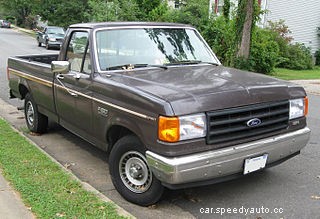
When looking at used-car listings, it can be difficult to spot the old cars among the high-mileage ones. A two-year-old work truck may have 100,000 miles, while a 10-year-old sports car may have 20,000 miles. It all boils down to how well the vehicle has been cared for. Look for maintenance records and signs of neglect or abuse. Steer clear of rampant rust, fluid leaks and odd noises. Always have a high-mileage vehicle inspected by a competent auto repair technician who can verify whether it’s actually too old to be reliable.
Guinness World Record holder and Long Island resident Irv Gordon loves his 1966 Volvo P1800 S, bought new in 1966 and painstakingly cared for since. Irv attributes the longevity of his car, which has racked up over 3 million miles, to regular maintenance, cleaning and prompt repairs. He doesn’t consider his car old, but says he’ll sell it for $1 per mile, so save up your dough.
What truly ages a vehicle is more than simply years or mileage. It depends greatly on make, model, driver habit, maintenance, climate and other factors. Some of the worst things that age vehicles prematurely are lack of maintenance, poor cleaning habits and delayed repairs. Here are some of the worst habits that will render your new car older in spirit than Irv Gordon’s 1966 Volvo:
When considering a high-mileage vehicle, the only question you should ask is if you’re willing to take care of it. Treat your high-mileage vehicle with care and respect, and it’ll never feel old.
