
Clutch maintenance is something you might never think about on your daily commute, but how you drive a car with a manual transmission can have a significant impact on the longevity of this crucial component. The way you treat your clutch and the simple but important maintenance steps that you take can save you from a hassle down the road. Here are three key factors to keep in mind about your clutch.
Like the care for most automotive components, a key aspect of clutch maintenance is reducing the amount of heat that it’s exposed to. It’s important to avoid situations where the clutch is partially engaged — like “riding” the clutch between gear shifts — to reduce the amount of heat generated by internal friction. Likewise, “slipping” the clutch while towing or hauling a heavy load produces high levels of heat that could reduce the lifespan of the part. If you can’t get enough forward momentum without slipping the clutch, try selecting a lower gear instead.
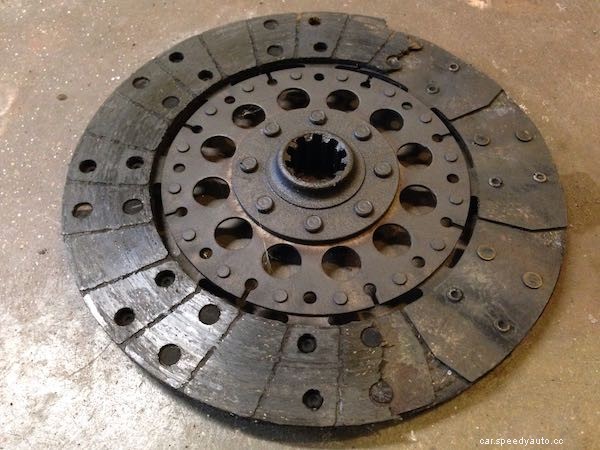 There’s more to damage in a clutch than just the pressure plate. Even a small amount of pressure on the clutch pedal can engage its mechanism, which means resting your foot on the clutch while rolling down the road or sitting at a stop light can wear out the throw-out bearing over time. Sometimes the best clutch maintenance is simply changing old habits. When you’re not shifting, it’s a good idea to keep your left foot flat on the floor.
One of the side effects of the heat that’s produced while using your vehicle’s clutch is that it can introduce small pockets of air into the hydraulic fluid used to activate the clutch. One of the simplest forms of clutch maintenance is to bleed that air out of the fluid, which will eliminate any mushy pedal feel and improve overall performance. You can use an automated bleeding system or simply have a friend help you out by pumping the pedal while you access the bleed screw on the clutch’s slave cylinder, opening it up while your friend pushes the pedal down to expel the air – and then closing it again before the pedal is raised back up from the floor.
Finally, fresh clutch fluid will also help your clutch perform like it should. Topping off the hydraulic fluid after bleeding is important, but if the fluid already in the clutch reservoir looks dark or cloudy, it’s best to bleed it all out and replace it completely with new fluid.
Treating your clutch well is one way to ensure that your manual-transmission ride is with you for many more years to come.
