
Just like a good tailgate party, your engine requires three basic things to get cooking, fuel, oxygen and heat. In your engine — hold the bratwurst — oxygen is delivered by the intake, heat by spark or compression, and fuel by the fuel pump. Before fuel gets to the cylinder, though, it passes through tubes and fuel filters, maybe one or two fuel pumps, and finally to the fuel injectors. If you’re having trouble starting your engine, a failure in any one of these areas could be the culprit, but can a fuel filter stop a car from starting?
Unlike your car’s electrical system, which is a parallel system, the fuel system is a serial system. In other words, if the CIG fuse blows, it doesn’t affect the windshield wipers. In the fuel system though, any problems will affect the entire system. In general, the fuel is picked up in the fuel tank and delivered to the fuel injectors, more or less following this path:
Seeing as the fuel can only take one path from the fuel tank to the fuel injectors — some components might vary, depending on year, make and model — it’s easy to see how a fuel filter problem can stop your engine from starting.
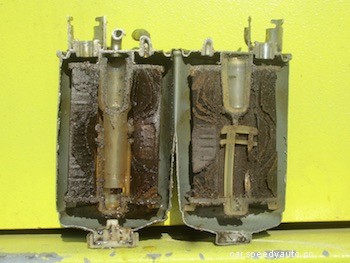 Fuel filter clogging is the most common fault, caused by excessive contaminants in the fuel. This is usually because whatever fuel source hasn’t been taking care of their own filtering equipment. In high-mileage vehicles, this can simply be the buildup over years and years of operation — over 100,000 miles, a 30-mpg vehicle’s fuel filter will process at least 3,333 gallons of fuel.
At first, a clogged fuel filter might manifest itself as a fuel trim problem, hesitation or poor performance, but eventually could cause cylinder misfires or starve the engine of fuel, preventing it from starting in the first place. While a clogged fuel filter might sideline your car for a day, there’s a bright side to your engine stalling out: Your clogged fuel filter was doing its job, preventing damage to other parts of the fuel system. Install a new fuel filter and you’ll be back on the road.
