
With winter in full force, you may have noticed that your windshield wipers are just not cutting it. The weather is throwing snow, sleet and frost at you, and your windshield wipers are struggling to keep the glass clear. But are winter windshield wipers really that different than regular wipers? First, let’s take a look at different windshield wipers and how they work.
There are generally three types of wiper blades:
Winter blades, though, are a little different.
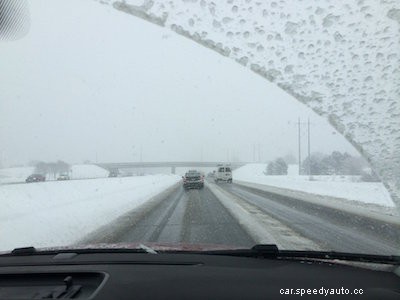
When the temperature drops below freezing, your car might start to act up. Engines are harder to start because oil viscosity increases, weak batteries can fail and rain and snow can freeze to your windshield. Because the wiper blade’s path is a constantly changing curve, the flexibility of its frame and squeegee is key to its performance. If the frame freezes or the rubber stiffens, the wiper won’t clear your windshield very well, if at all.
To maintain maximum visibility in all kinds of weather, choose wiper blades that retain their flexibility. There are two features your winter blades should have: a rubber boot and a flexible squeegee blade. A rubber boot keeps the joints clear of water, which would otherwise freeze and immobilize them. While typical rubber blades stiffen in the cold, chattering and skipping across the glass, winter rubber and silicone blades stay flexible even in extreme cold, ensuring windshields stay clear.
To improve windshield clarity in the cold, use the defroster to keep the glass warm and prevent freezing. Fill the windshield washer reservoir with an appropriate winter-grade washer fluid. Consider using a windshield treatment to prevent frost and snow from sticking. Finally, to avoid damage to the blades, wiper motor and other wiper system parts, never use the wiper blades to clear frost or snow.
Whether your windshield has to contend with rain, frost, snow or road grime kicked up by other vehicles, the right winter windshield wipers keep the glass clear. A clean windshield reduces glare from the sun, traffic lights and headlights, making it easier for you to see and react to ever-changing weather and traffic conditions.
