
If there’s one thing you want your brakes to be, it’s dependable. Good brakes are important no matter what you drive and need to be maintained no matter how much of a DIY mechanic you fancy yourself to be. It’s good to know how to clean brake rotors, but you should also know when you’ll need to take them in to the shop.
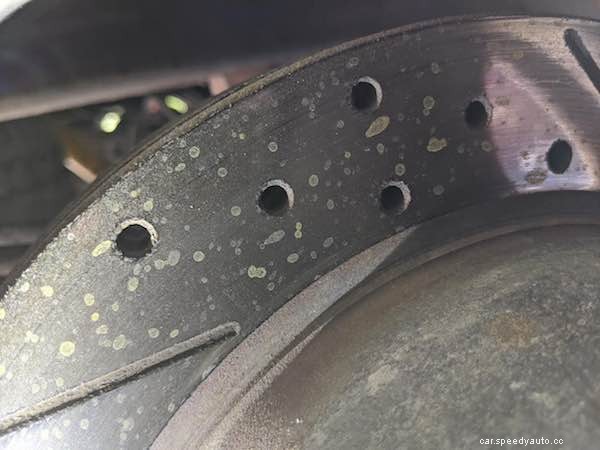
In a disc brake setup, two pads seated in a caliper apply pressure to the rotor to slow or stop the wheels from spinning. In order to do an efficient job, the rotors need to be clean and smooth. Why? Impurities, rust and debris will damage the pads and the rotors over time. Once the rotors are worn down or become warped, preventing the pads from grabbing their full surface area, they run the risk of not doing their job.
Regular rotor cleaning and checkups are imperative, especially if you do a lot of off-roading. Rotors pick up dust, mud and rocks, which can spell trouble if left unattended. Beyond adverse conditions, even a vehicle in normal situations will develop rust over time. Luckily, rotors can be easy to clean, but only if you fix the problem before it gets out of hand.
Complete rotor checks should be a part of your seasonal checkup, but you’ll likely have to tend to them more often, especially if your vehicle is used for any off-roading activities. Either way, the more often you clean them (i.e., the better maintained they are), the less of a chore it will be each time. If you’re driving through dirty conditions on a regular basis, your cleaning schedule should reflect that. If you know you’ve been dragging them around in the mud, clean them as soon as you can to avoid damage.
If your rotors are well maintained, cleaning is a breeze. Here’s how to do it, depending on how dirty your rotors are:
Your last option is a lathe, but it’s unusual to have one of these at home, let alone be properly trained to use it. If the buildup or damage is particularly bad, you’ll have to take the rotors to a mechanic’s shop where they’ll use a lathe or will advise you to replace your rotors as needed.
The better you take care of your car, the better it takes care of you. Remain vigilant, and complete all routine maintenance as described in your owner’s manual. But most importantly, know what to look for and stay on top of a maintenance schedule.
