
An EGR (exhaust gas recirculation) system is tasked with managing emissions and pollution from modern vehicles. Introduced in 1970 to help make gasoline cars run cleaner, the system was adapted to enable diesel engines to reduce noxious oxide in later years.
Today, EGR systems are widespread and play an integral role in keeping the environment clean. Just like any other car part, EGR systems need special care, and using an EGR valve cleaner can help you keep your system running smoothly.
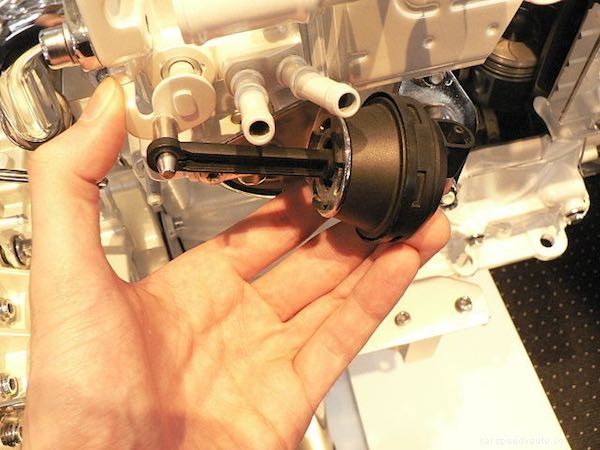
There are two types of EGR systems: internal EGRs, where exhaust gases are pulled back into the cylinder by overlapping the opening time of the intake and exhaust valve, and external EGRs, where exhaust gases are sent back into the intake manifold through an external duct and an EGR valve.
Vehicle owners may not be familiar with EGR systems until a problem occurs with one. A sluggish engine or pinging sound can indicate that something is wrong. Sometimes, it’s just the oxygen sensor, but if the OBD-II code is showing the EGR, then you have a problem. Often, you can simply clean the valve.
Reference your owner’s manual to confirm when to replace the EGR valve. Typically, the replacement interval is 50,000 miles or higher. You can prolong the valve’s life by cleaning it according to the following instructions:
A malfunctioning EGR system can damage your engine if the problem is ignored. Moreover, your vehicle will fail its next smog test if the problem isn’t fixed, and as a conscientious consumer, you want to make sure your vehicle isn’t polluting the environment. If cleaning doesn’t help the situation you should simply buy a new EGR valve.
