
Automotive trouble codes, also known as onboard diagnostic codes, are registered on vehicles manufactured from 1996 and upwards whenever the PCM detects a fault on the system.
These fault codes help car owners and mechanics to identify the causes of a vehicle malfunction and possible ways of fixing it. But before fixing the registered fault, you need to understand what the code means.
P0031 is one of the thousand trouble codes that can be logged on a car and retrieved with an OBDII scan tool. This article explains everything you need to know about code P0031.
Let’s keep the dice rolling!
Here you go with the definitions of some codes for easy and better understanding.
Whenever this code is registered on your car computer, it means the engine control module ECM detects a low voltage on the heated 02 sensors. This low voltage is a result of a malfunctioning oxygen sensor or issues with the heater element.
The function of the heater element is to enable the sensor to start working once the engine is turned on. The sensor reads the oxygen in the exhaust system and forwards the data to the car onboard computer.
The onboard computer works with the data delivered by the 02 sensors to regulate the air/fuel mixture ratio delivered to the engine during the combustion cycle. While the car computer depends on the sensor, it also relies on the hot exhaust gas to heat up and generate accurate data.
The heater element does the calculation as the engine is heating up. Once the onboard computer receives data from sensor 1, it adjusts the air/fuel mixture ratio based on the readings to have the engine run nice and smooth and regulate emissions.
You may have a sense of the error code ahead of the appearance from the following symptoms. They include:
Trouble code p0031 is a generic code, which means it can be triggered by more than one issue. Here are some of the causes;
Code P0031 may cause your vehicle to run rough; it’ll not stop it from running though. The most common symptoms and effects are low fuel economy and rough engine operation.
In any case, if you fail to track down and fix the culprit, it may result in rough idling and cause severe damage to system components.
You must avoid some diagnosis mistakes that can aggravate the problem further. Here you go:
Two urgent tools for smart and efficient diagnosis of code P0031 are:
Once you make a successful diagnosis of the error, you must act sooner to get rid of the hassle. Not to downplay, the P0031 error code is not that grievous a problem to cause an immediate halt on the move but idling time away will amount to worsening consequences. Below you go with the expert advice to act the moment you spot the error code.
| Vehicle Name | Problems with p0031 Code | Estimated Cost of Parts and Labor | Estimated Total Cost |
| Toyota | Bank 1 02 sensor 1 | $50-100 + $50 | $100-150 |
| Ford | Bank 1 02 sensor 1 | $70-120 + $50 | $120-170 |
| Honda | Bank 1 02 Sensor 1 | $40-100 + $50 | $90-150 |
| BMW | Bank 1 02 Sensor 1 | $70-150 + $50 | $120-200 |
| VW | Bank 1 02 sensor 1 | $30-90 +$50 | $80-140 |
| Audi | Bank 1 02 sensor 1 | $50-100 +$50 | $100-150 |
| Nissan | Bank 1 02 Sensor 1 | $40-70 + $50 | $90-120 |
| Suzuki | Bank 1 02 Sensor 1 | $50-100 + $50 | $100-150 |
| Subaru | Bank 1 02 senor 1 | $50-100 + $50 | $100-150 |
| Dodge | Bank 1 02 sensor 1 | $60-120 – $50 | $110-170 |
| Jeep | Bank 1 02 sensor 1 | $40-100 + $50 | $90-150 |
The price above is just a rough estimate. The price can be above or less than the price, but it’ll fall within that range. Again, the problems could be wiring or connector issues and not the sensor itself.
To complete the course, you must know what other error codes may prompt the same issues as caused by P0031 code. And no need to tell that they too require the same fixes.
Code P0031 will not keep you stranded on the road but do not allow the issues to linger because it can result in poor engine operation, high fuel consumption, sensor loop failure, and the issue can extend to other system components.
Code P0031 is not bad as it can not stop a car from running. The most common effect is bad fuel mileage and erratic idling. However, it can cause severe damages to related components if it stays unresolved for an extended period.
H02 means several things; it can be referred to as water in chemistry. But in the automotive industry, H02S stands for Heater control circuit sensor. It also stands for heated oxygen sensor.
Heater control circuit low refers to a lousy or malfunctioning in the heater circuit of an 02 sensor. The heating circuit, otherwise known as the heater element, is an essential part of the oxygen sensor that heats the sensor to normal operating temp until the engine gets hot.
There are several auto manufacturers with different ways of designing their engines. What do I mean? In some cars, bank 1 can be on the right engine side, while other engines have bank 1 on the right side.
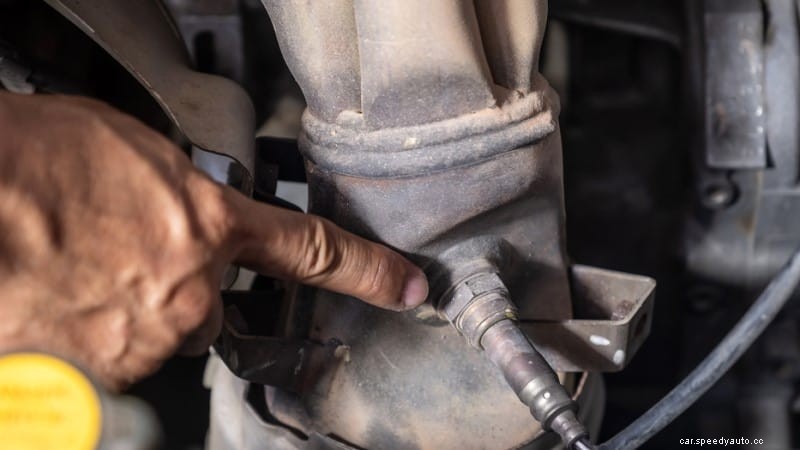
Bank 1 sensor 1 is typically located in the side of the engine that has the no.1 cylinder. However, on every bank, there are two oxygen sensors attached to it, which makes it four sensors in total.
Let’s assume your no.1 engine is located on the left side of the engine. That said, the 02 sensor located upstream of the exhaust [before the catalytic converter] is the bank 1 sensor 1. Bank 1 sensor 2 is the next sensor located downstream [after the catalytic converter]. The same applies to bank 2 sensors.
Timely engine tune-up and maintenance will enhance the engine performance and help the car run smoothly without the P0031 code logging on.
Indeed, P0031 can cause several system malfunctions, but regularly scheduled maintenance can minimize the system component damages.
