
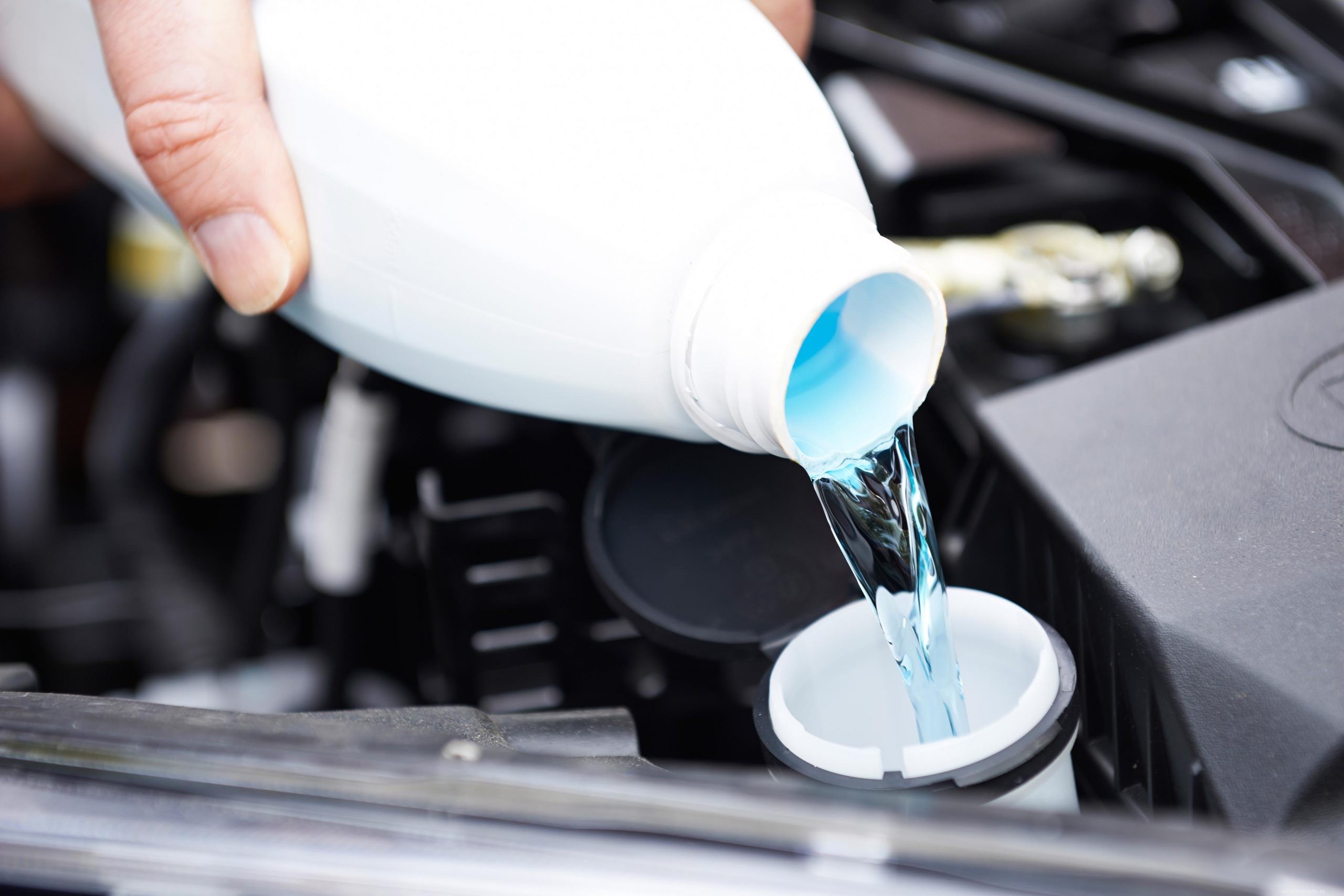
For models built after the year 2000, “it’s crucial that you use the manufacturer’s fluids or equivalents,” says Jason D’Amico, professor of automotive technology at Centennial College in Toronto. If you decide not to, transmissions and other components may be noisy or perform poorly.
ⓘ 2 / 13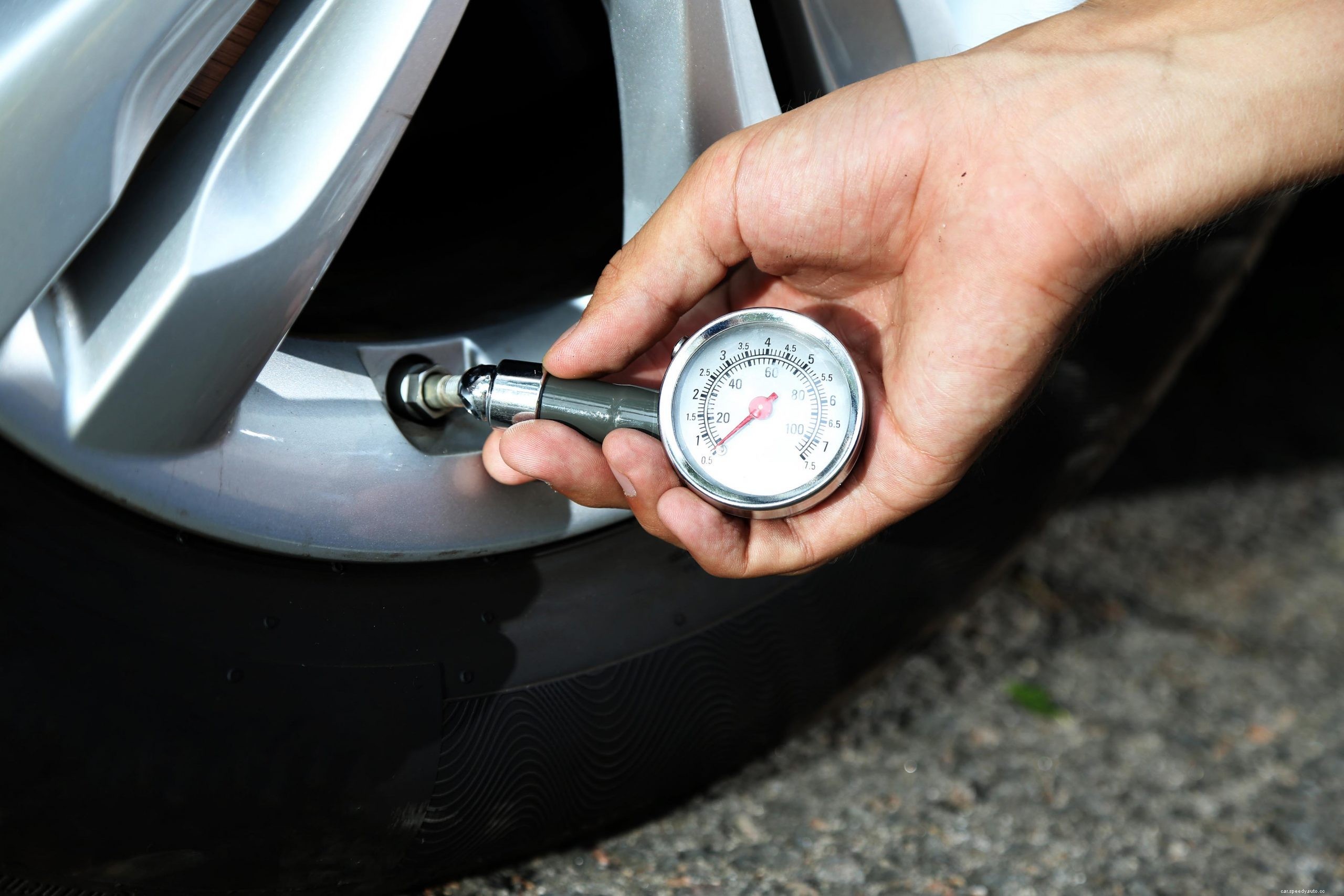
When they don’t have enough tread, you aren’t able to stop quickly or handle slippery roads. “Place a dime in one of the tire’s grooves, with the Bluenose’s sails pointing down,” says Glenn Maidment, president of the Tire and Rubber Association of Canada. If you can see all of the sails, the tire needs replacing.
Learn how to make your car tires last.
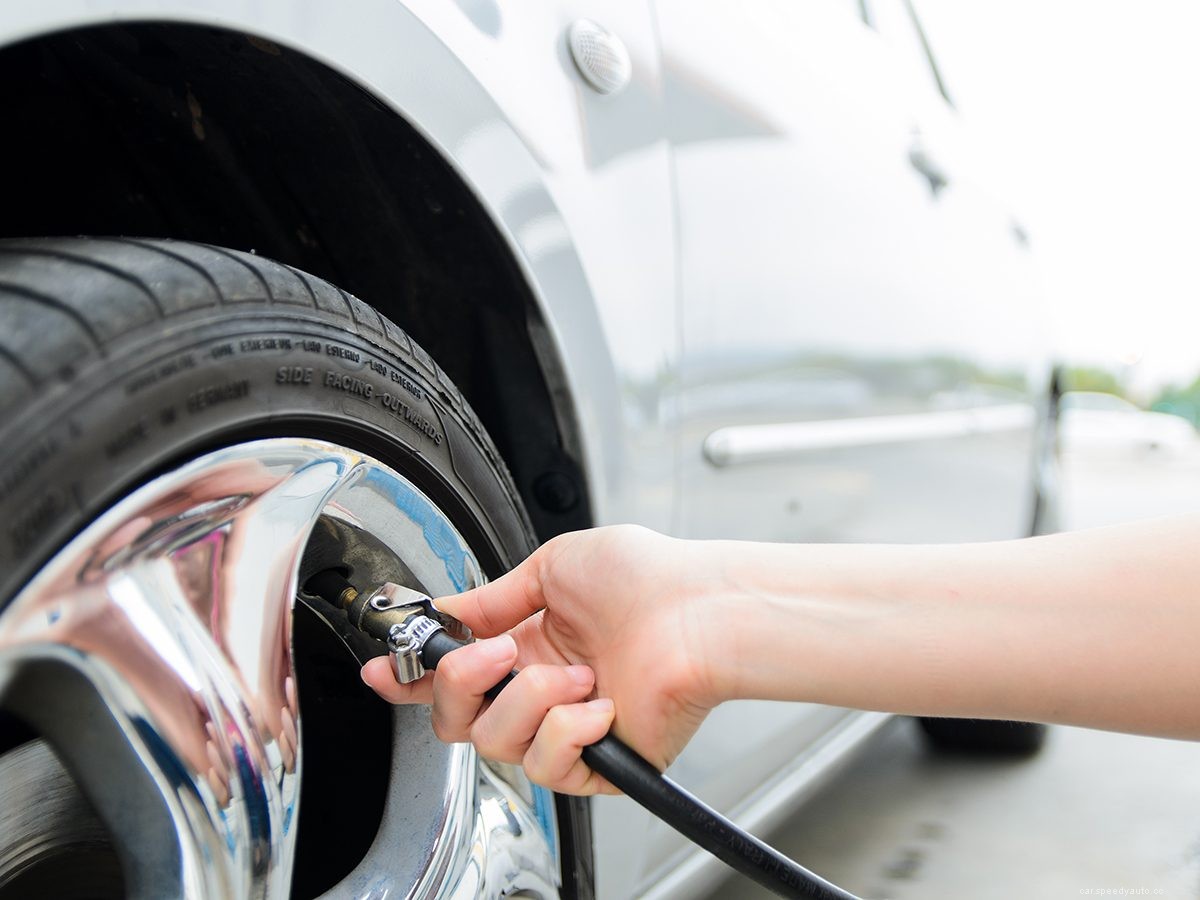
It takes more energy to roll on an under-inflated tire, and you can lose 0.3 per cent of your fuel mileage if one of yours is just a pound of air short. About half of all Canadian vehicles have at least one tire that’s 10 per cent above or below its recommended pressure.
This is what those numbers on your tires mean.
4 / 13
Recalls identify potential safety issues. Even though automakers provide free repairs for recalled vehicles, it’s estimated that about 20 per cent of owners don’t take advantage. Visit your automaker’s website to check each vehicle’s recall status.
Here are 10 tips to stay safe driving in wet weather.
5 / 13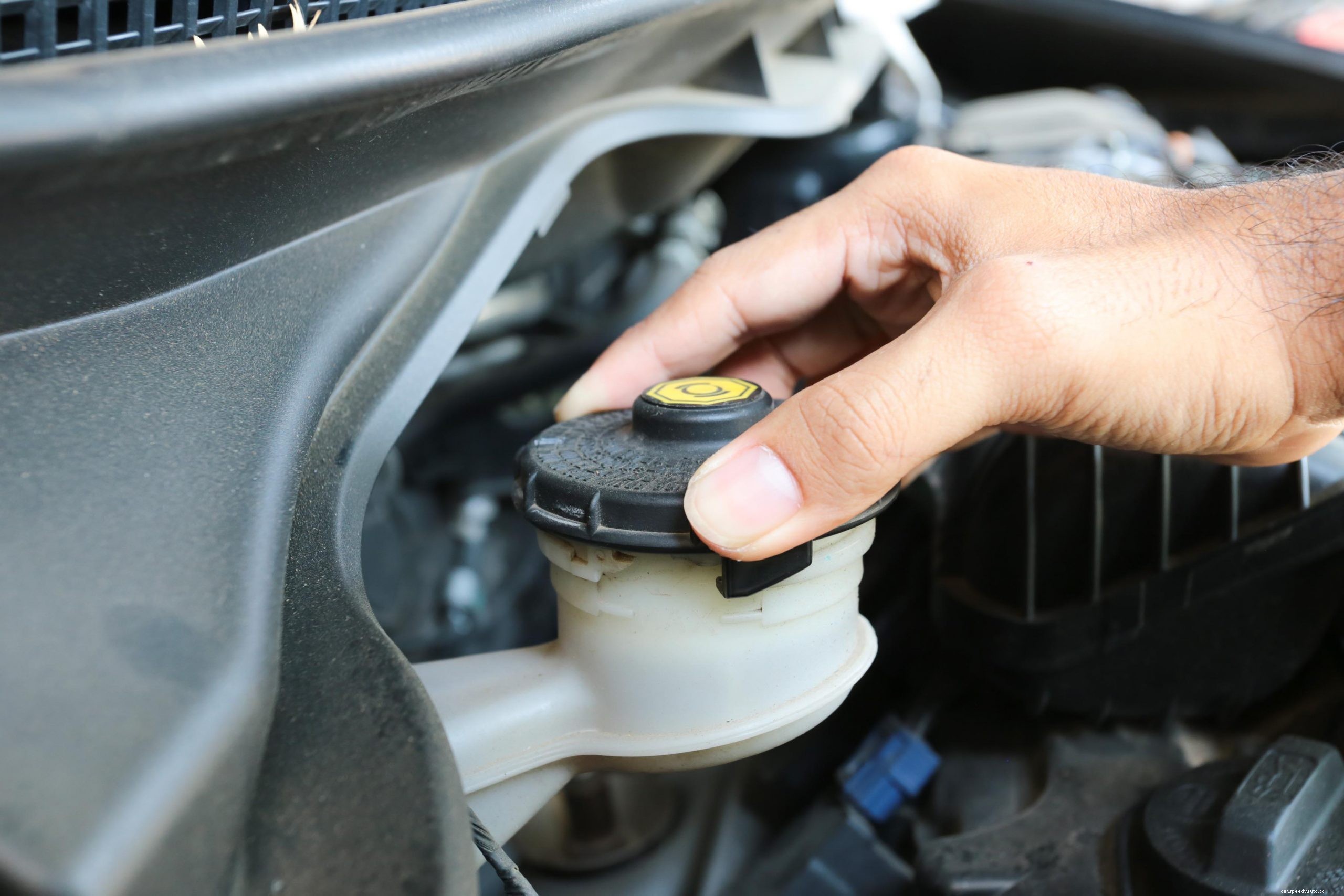
It’s hygroscopic, meaning it pulls moisture out of the air. This water contamination greatly increases the risk of brake failure.
Don’t miss the 15 things you should never do to your car.
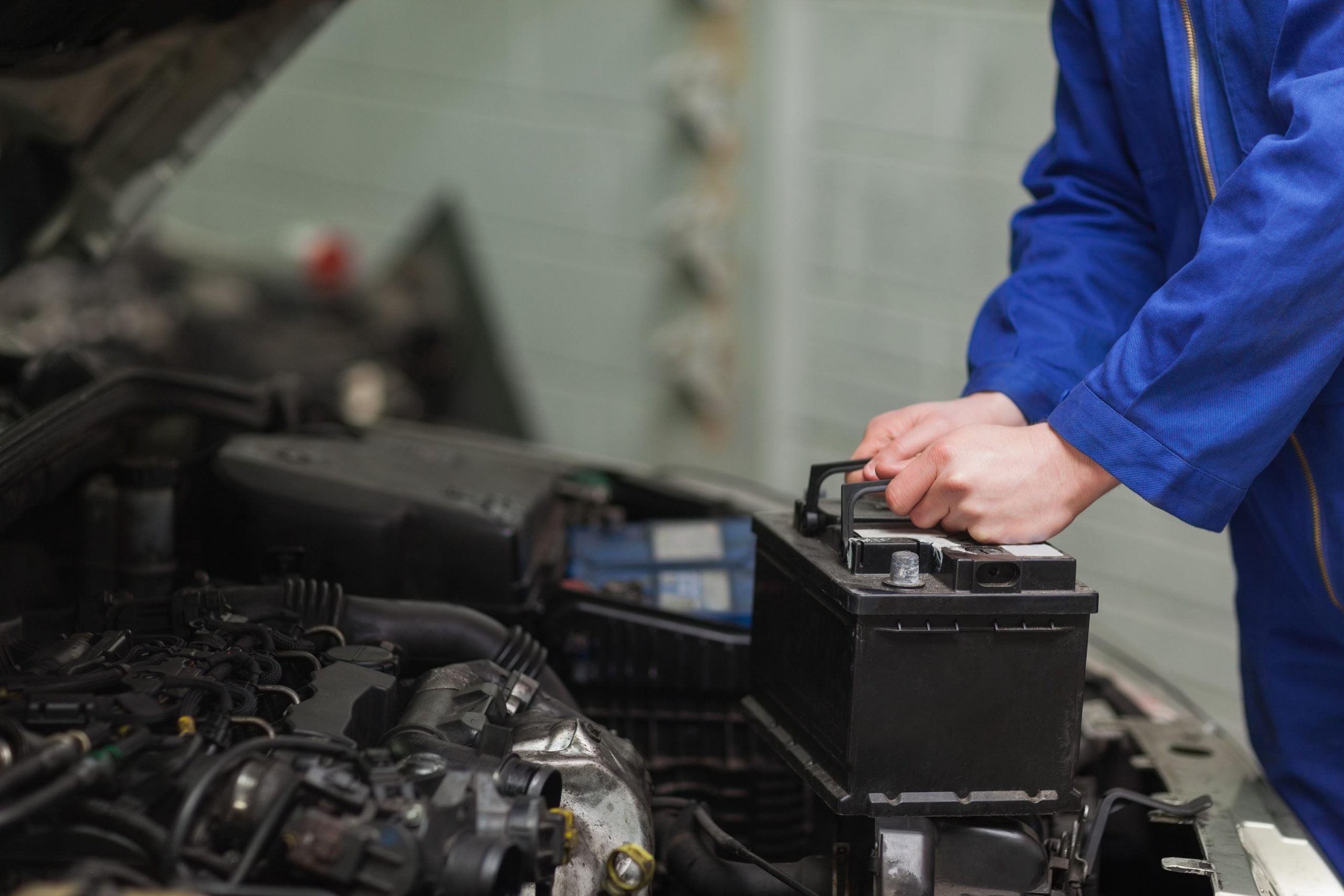
Avoid waiting until your car won’t start to replace your battery. Have it checked every fall after the three-year mark instead. Batteries hate the cold, and one that’s failing could work at 20 C but leave you stranded when temperatures plummet.
Here’s how to test a car battery.
7 / 13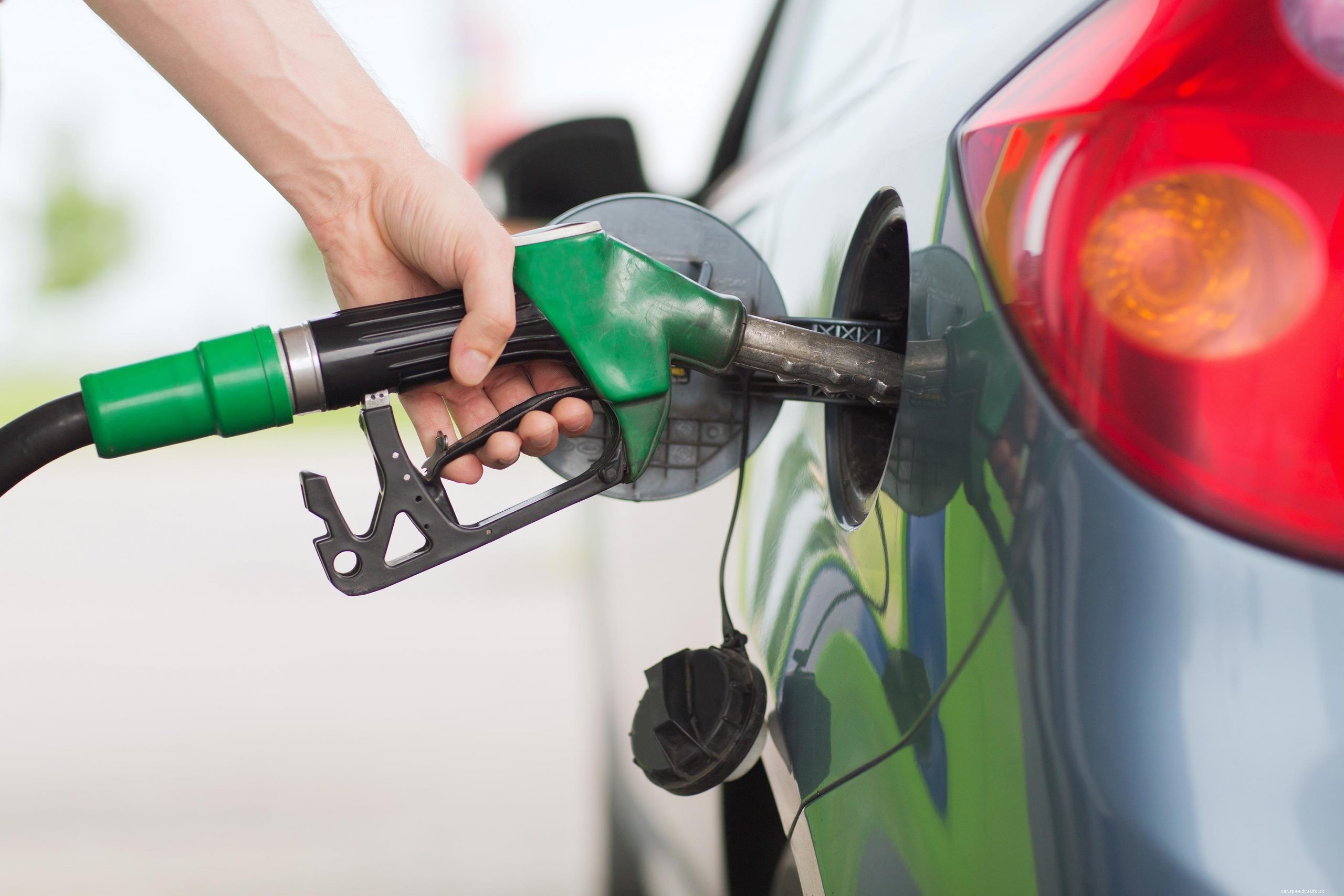
Some sportier models require premium, which ignites more evenly in their higher-compression engines. Regular fuel can leave these vehicles running sluggishly.
This is what you need to know about fuel stabilizers.
8 / 13
Open the window to check for grinding or squealing brakes, clunks when you turn the steering wheel or noisy exhaust. If you can hear a humming noise when the window is closed, it could be an under-lubricated wheel bearing. The bearing noise is speed sensitive, “so the faster you go, the louder it gets,” D’Amico says.
Here’s how to escape from a car that’s sinking underwater.

During short trips, your vehicle’s engine doesn’t heat up enough to remove condensation, which reduces the engine oil’s ability to protect moving parts. If you can’t take a drive lasting at least 30 to 45 minutes each week, D’Amico advises changing your oil every three months, regardless of mileage.
Is a high mileage oil filter worth it?
10 / 13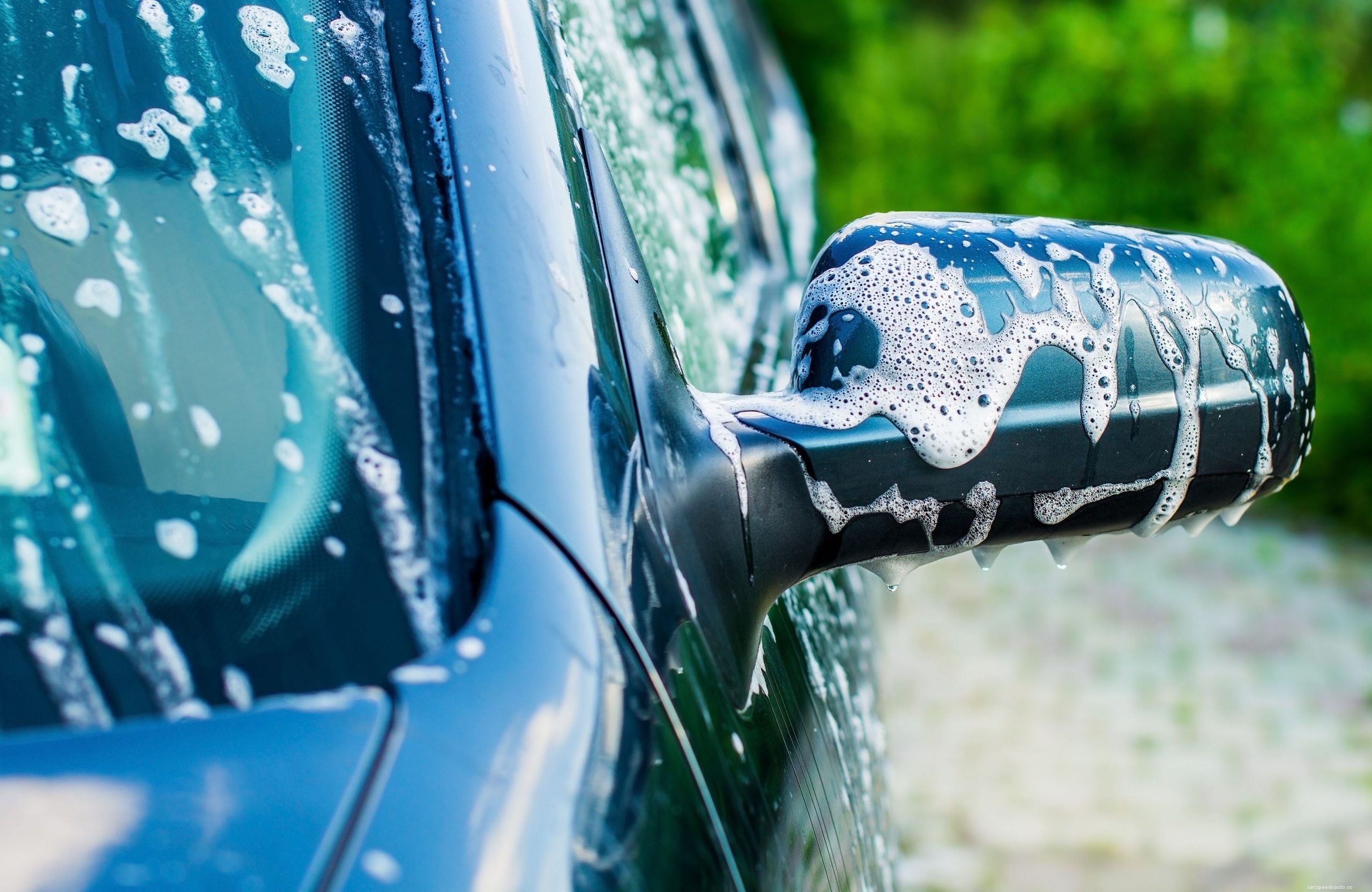
After every winter, use a self-serve car wash to remove salt from your vehicle’s underside until the water runs clear. Otherwise, buildup can rust the floor pan or corrode electrical wiring or brake lines.
These are the pros and cons of different types of car washes.
11 / 13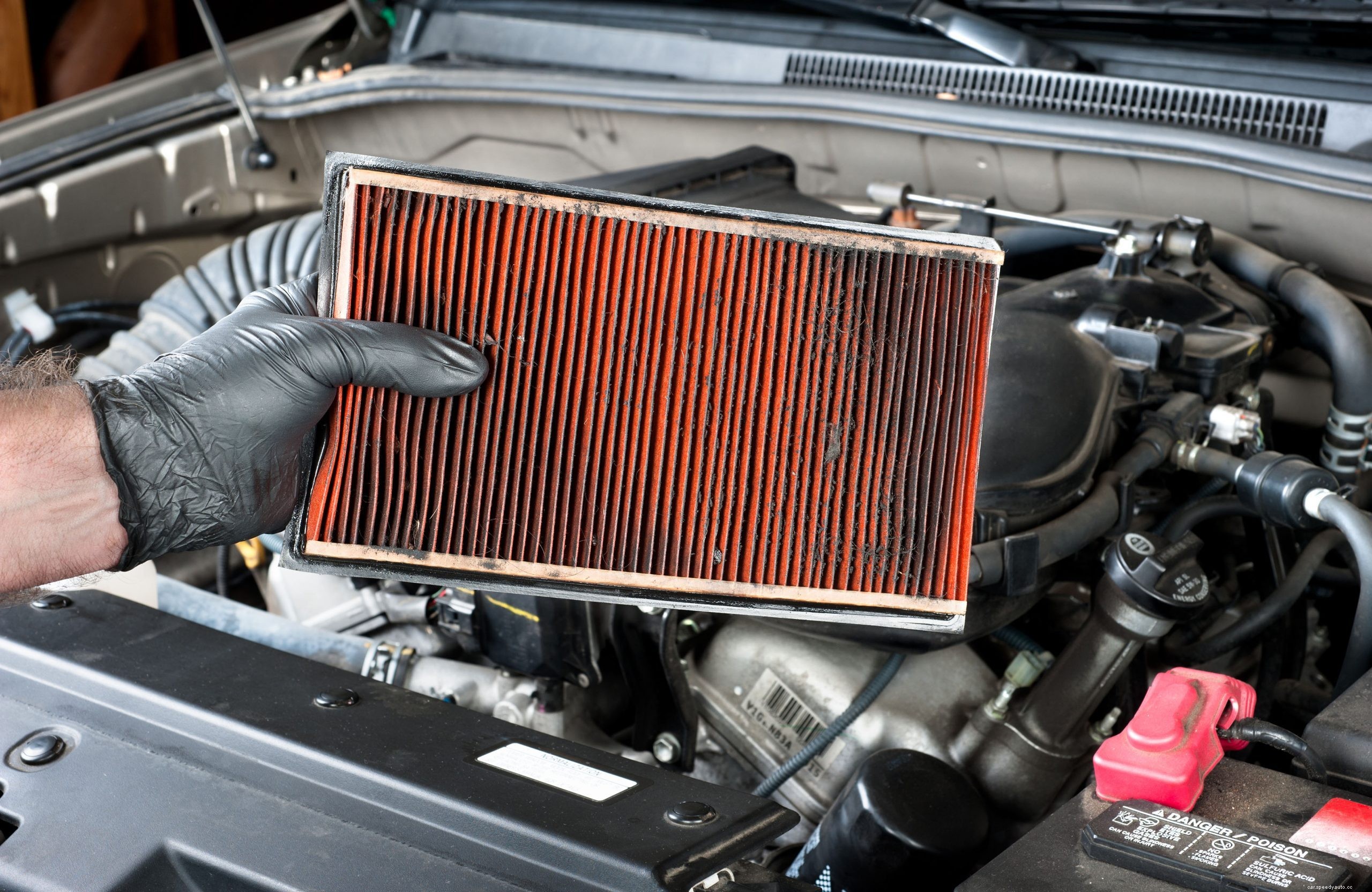
Have the air filter inspected at every other oil change. If it gets dirty and clogged, it can cause your vehicle to use more fuel.
Here’s how often you should be replacing the cabin air filter in your car.
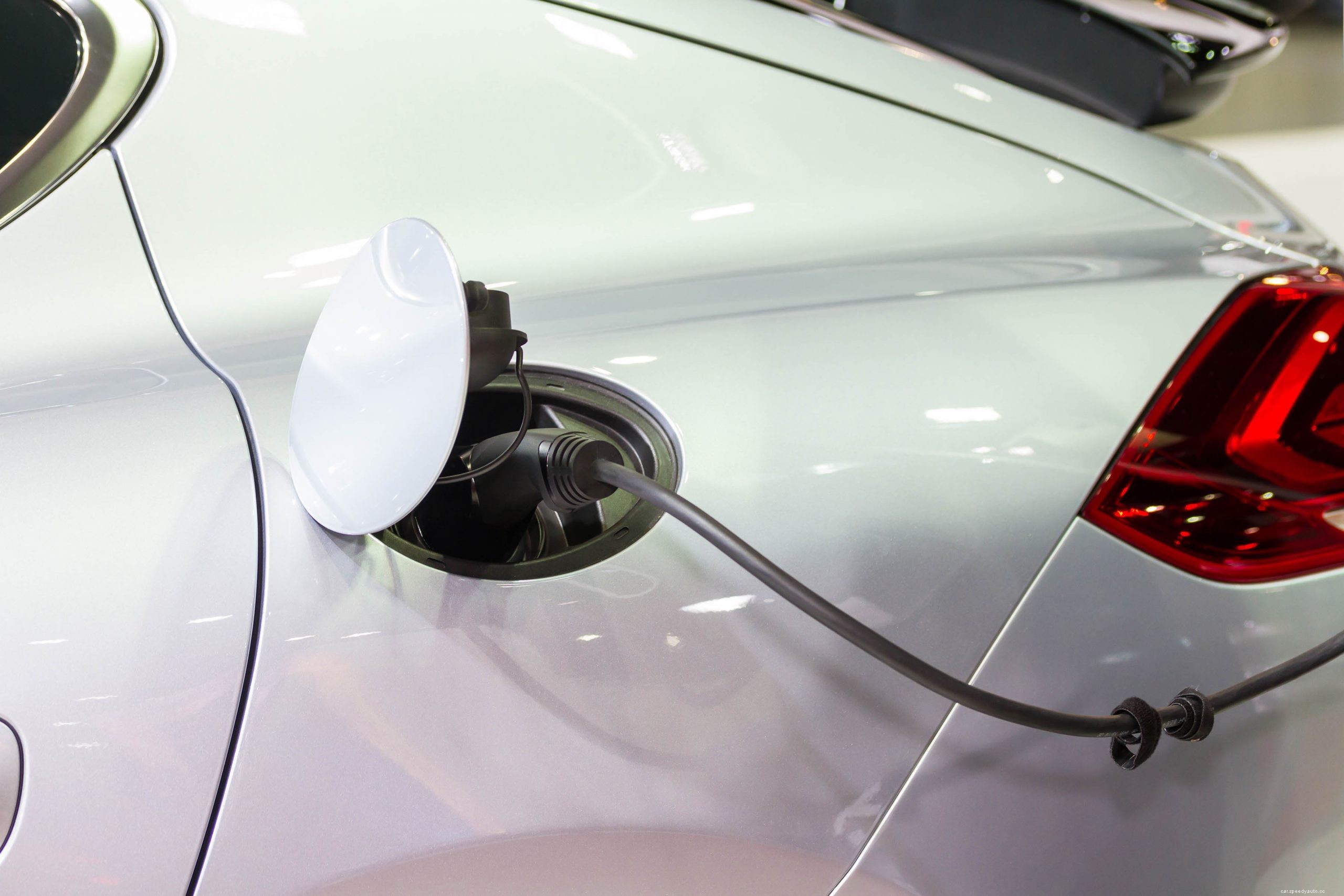
If you’re considering a more eco-friendly vehicle, budget for maintenance. Hybrid engines still require oil changes. And while electric cars don’t contain oil, you should have their brakes and steering inspected at least once a year.
This is when to change to winter tires according to experts.
13 / 13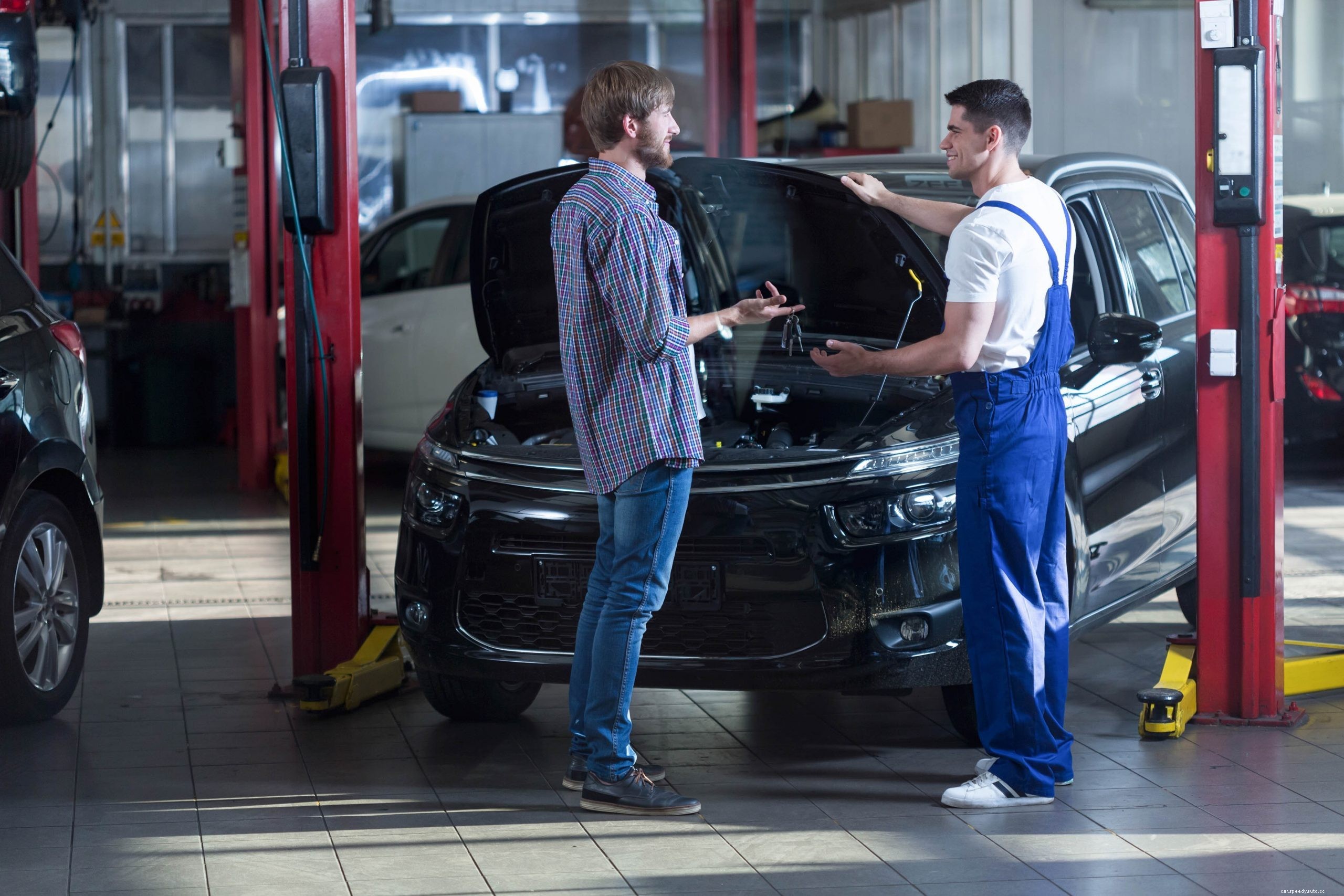
Quick-lube shops seldom employ licensed technicians to inspect safety items such as brakes. Make sure to head to a shop with licensed techs-their provincially issued credentials will be on display-for a safety check each year.
Next, check out 20 essential tools no car mechanic should be without.
