
Range Rover repair complexity is driven by tightly integrated systems that combine luxury electronics with off-road engineering.
These vehicles are built around interconnected modules—suspension, drivetrain, infotainment, and safety systems all communicate continuously. When one component fails, it often affects multiple systems, making accurate diagnosis more difficult than in conventional vehicles.
This architecture requires a repair approach that prioritizes system-level understanding over part-by-part replacement. Shops that lack this capability often misdiagnose problems, leading to repeated visits and unresolved issues.
Range Rover vehicles most frequently require repair for suspension, electrical systems, cooling components, oil leaks, and drivetrain behavior.
These issues are common because they sit at the intersection of mechanical wear and electronic control. As vehicles age, these systems become more sensitive to even minor deviations.
The most frequently encountered repair categories include:
Each category requires precise diagnostics. Addressing symptoms without identifying the root cause typically results in recurring problems.
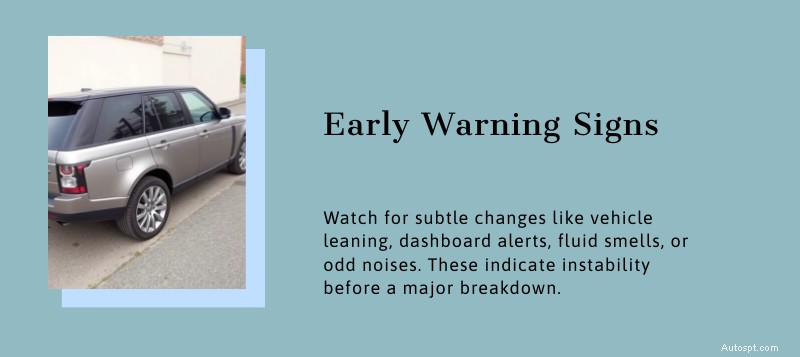
Range Rover issues typically begin with subtle changes rather than immediate breakdown.
Early detection is critical because many systems compensate for failing components before triggering hard failures. Recognizing these signals allows for intervention before damage spreads.
Common early warning signs include:
These indicators suggest instability within one or more systems. Addressing them early prevents multi-component failure.
Air suspension systems are a primary source of repair in Range Rover vehicles due to their complexity and continuous load management.
Unlike traditional suspension setups, this system uses pressurized air, sensors, and compressors to maintain ride height and adapt to terrain. While it improves comfort and capability, it introduces multiple failure points.
Core failure components
A single failing component forces the system to compensate, increasing strain on other parts. This often turns a minor issue into a broader system failure if not addressed promptly.
Electrical issues in Range Rover vehicles are typically caused by communication breakdowns between control modules or inconsistencies in voltage supply.
These vehicles rely on a network of modules that share data continuously. When one module fails or sends incorrect information, it can trigger multiple warnings across unrelated systems.
Common causes of electrical faults
Electrical issues are often misinterpreted because symptoms appear across multiple systems. Accurate diagnosis requires isolating the source rather than reacting to individual warnings.
Cooling system failures directly compromise engine performance and longevity in Range Rover vehicles.
The system operates under high pressure and must maintain precise temperature control. Even minor leaks or component failures can disrupt this balance.
Primary failure points
Resulting risks
Cooling issues should be addressed immediately, as delays significantly increase the severity of repairs.
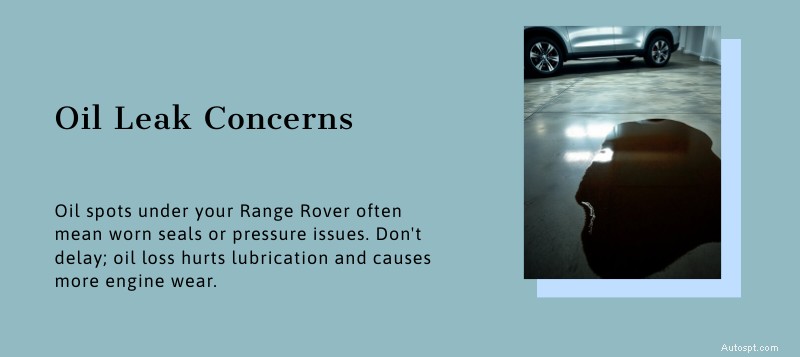
Oil leaks in Range Rover vehicles often reflect underlying seal wear or pressure imbalances within the engine.
These leaks tend to develop gradually and may not immediately affect performance, which leads many owners to delay repair.
Common leak locations
Oil loss reduces lubrication efficiency, increasing friction and heat. Over time, this accelerates wear across internal engine components and leads to more extensive repairs.
Transmission irregularities often signal deeper issues within the drivetrain or control systems.
Range Rover transmissions rely on both mechanical components and electronic calibration. When either side becomes inconsistent, performance is affected.
Key warning indicators
Diagnostic considerations
Transmission symptoms are frequently linked to other systems such as engine performance or sensor data. Proper diagnosis requires evaluating the entire drivetrain ecosystem.
A qualified Range Rover repair specialist is defined by diagnostic accuracy, system familiarity, and access to proper tools.
General repair shops may handle basic services, but complex issues require deeper expertise in how Range Rover systems interact.
Evaluation criteria
Choosing the right shop directly impacts repair outcomes. Proper diagnosis reduces repeat visits and ensures long-term reliability.
Reliable Range Rover repair in Dallas, Plano, and White Rock is found in specialized European auto shops with proven experience in luxury vehicle systems.
These areas have a mix of general mechanics and high-end specialists, but only a subset are equipped to handle the full scope of Range Rover diagnostics and repair.
What to look for locally
Shops that regularly service Range Rover vehicles are better positioned to identify issues quickly and accurately, reducing downtime and unnecessary repairs.
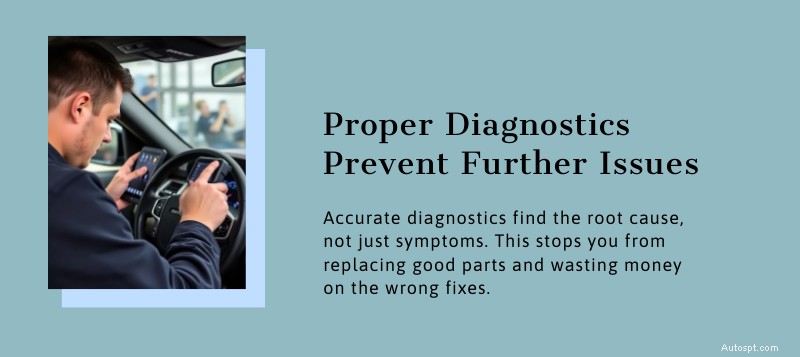
Accurate diagnostics prevent unnecessary repairs by identifying the root cause rather than reacting to symptoms.
Range Rover systems often produce multiple warnings for a single issue. Without proper diagnostic tools and experience, it is easy to replace functioning components while missing the actual failure point.
Diagnostic best practices
This approach minimizes wasted time and ensures that repairs address the actual problem.
Consistent maintenance reduces the likelihood of major Range Rover repairs by stabilizing system performance over time.
Preventive care is especially important in vehicles with complex systems, where small issues can escalate quickly.
Key maintenance priorities
Proactive maintenance shifts the repair process from reactive to controlled, reducing long-term disruption.
Driving conditions in Dallas, Plano, and White Rock influence how and when Range Rover components wear.
Heat, traffic patterns, and road conditions all contribute to system stress. High temperatures increase strain on cooling systems, while stop-and-go traffic impacts transmissions and braking systems.
Environmental exposure also affects electrical components, particularly when combined with moisture and debris.
Understanding these conditions allows for more targeted maintenance and earlier detection of potential issues.
A professional Range Rover repair process follows a structured approach centered on diagnostics, validation, and system calibration.
The process typically includes:
This method ensures that repairs are both accurate and complete, reducing the likelihood of recurring issues.
Certain Range Rover issues require immediate attention because they impact safety, drivability, or engine integrity.
High-priority conditions
Lower-priority but still important issues
Distinguishing between these categories helps prioritize repairs and avoid unnecessary risk.
Different symptoms require different levels of urgency and expertise.
Symptom Type Likely System Urgency Level Repair Approach Vehicle sagging Suspension High Immediate inspection and component testing Warning lights across systems Electrical Medium-High Full diagnostic scan Coolant smell Cooling system High Leak detection and pressure testing Oil spots under vehicle Engine Medium Seal inspection and repair Hesitation during driving Drivetrain Medium-High Integrated system diagnosticsThis framework helps prioritize action and ensures the correct repair pathway is followed.
Why does my Range Rover say suspension fault?
A suspension fault warning typically indicates a pressure imbalance or sensor issue within the air suspension system.
Is it safe to drive with a Range Rover warning light on?
It depends on the system affected, but persistent warnings should always be diagnosed to prevent escalation.
Why is my Range Rover losing height overnight?
This is usually caused by an air leak in the suspension system or a failing valve component.
What causes electrical glitches in Range Rover vehicles?
Electrical issues often stem from module communication errors, sensor faults, or battery instability.
Why does my Range Rover hesitate when accelerating?
Acceleration hesitation can be linked to transmission behavior, engine performance, or sensor-related issues.
How do I know if my Range Rover is overheating?
Signs include temperature warnings, reduced performance, or visible coolant leaks.
Can a general mechanic fix a Range Rover?
Basic maintenance can be handled by general mechanics, but complex repairs require specialized expertise.
