Autoscope Car Care
Mercedes C-Class Repair in Dallas & Plano
Mercedes C-Class repair requires specialized diagnostics, brand-specific parts knowledge, and familiarity with advanced electronic systems. The platform combines luxury engineering with complex control modules, making general repair approaches ineffective for long-term reliability.
Dallas and Plano driving conditions introduce unique service demands. High heat, traffic congestion, and long highway commutes accelerate wear on cooling systems, suspension components, and electronic modules. These regional factors change maintenance timing and influence failure patterns.
Luxury compact sedans demand preventative care rather than reactive repair. Consistent inspection intervals reduce major repair risk and preserve performance characteristics expected from the C-Class platform.
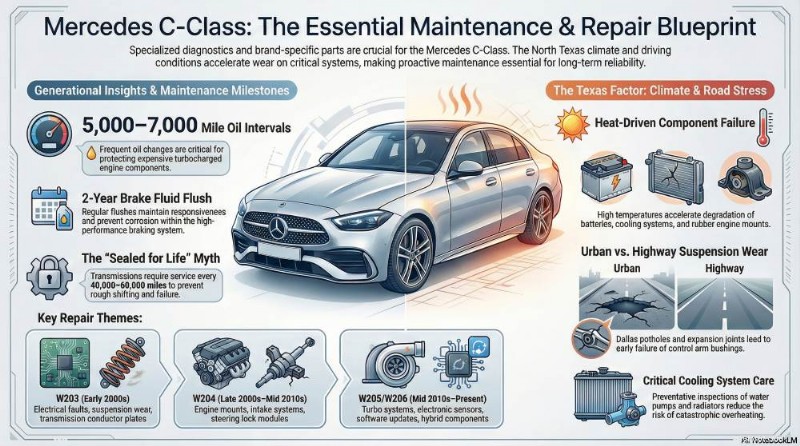
Mercedes has produced several C-Class generations, and each has distinct repair trends. Understanding the generation helps predict maintenance needs and common failure points.
The table below outlines major C-Class generations and typical service themes.
Generation Years Typical Repair Themes W203 Early 2000s Electrical faults, suspension wear, transmission conductor plate issues W204 Late 2000s–mid 2010s Engine mounts, intake systems, steering lock modules W205 Mid 2010s–early 2020s Turbo systems, electronic sensors, suspension bushings W206 Current models Software updates, driver assistance calibration, hybrid componentsDifferent generations require different diagnostic strategies. Technicians must understand evolving electronics, drivetrain changes, and new safety systems.
Heat accelerates component degradation and increases repair frequency. Dallas and Plano experience extended summer temperatures that strain cooling systems, rubber components, and electronics.
Common climate-driven wear includes:
Preventative inspection before summer reduces breakdown risk. Seasonal service planning helps avoid emergency repairs.
Consistent maintenance reduces catastrophic repair risk. Skipped service intervals often lead to expensive engine, transmission, or electronic failures.
Key maintenance milestones include:
Preventative maintenance costs significantly less than major component replacement. Scheduled inspections identify early wear before failure occurs.
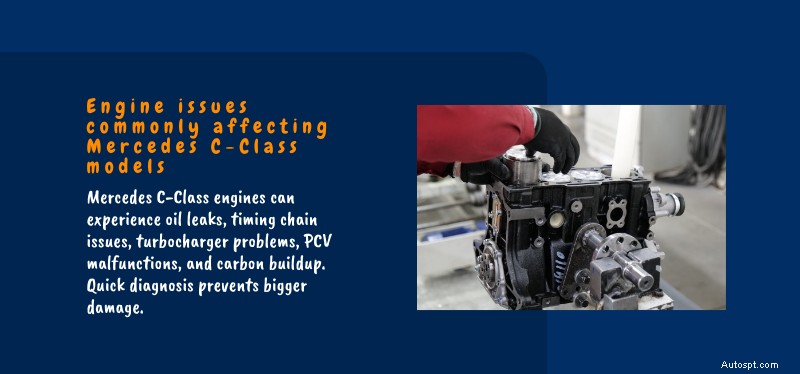
Mercedes C-Class engines prioritize performance and efficiency, which increases mechanical complexity. Turbocharged engines require precise maintenance and high-quality fluids.
Frequent engine-related repairs include:
Early diagnosis prevents secondary damage. Engine warning lights should never be ignored because delayed service increases repair scope.
Turbo systems operate under high pressure and temperature. Proper oil change intervals are critical to turbo longevity.
Turbo failure risk increases when:
Turbo replacement is costly, making preventative care essential.
Mercedes transmissions deliver smooth shifting but rely on regular fluid service. Many failures occur because owners believe transmissions are sealed for life.
Typical transmission issues include:
Transmission service intervals reduce failure probability and extend drivetrain lifespan.
Dallas and Plano roads combine highway commuting with uneven urban surfaces. Suspension systems experience constant stress from potholes, expansion joints, and long-distance driving.
Common suspension repairs include:
Suspension wear affects ride comfort and tire life. Regular inspections maintain driving stability and safety.
Modern Mercedes vehicles rely heavily on electronic control units. Electrical diagnostics require specialized equipment and training.
Frequent electrical issues include:
Electrical diagnostics often require dealership-level tools. Proper scanning prevents unnecessary parts replacement.
Mercedes brake systems prioritize performance and responsiveness. High-performance brake materials wear faster than standard systems.
Brake service typically includes:
Ignoring brake wear increases rotor damage and repair costs.
Cooling system failure can cause severe engine damage. High ambient temperatures increase cooling system workload.
Critical cooling components include:
Preventative cooling system inspections reduce overheating risk.
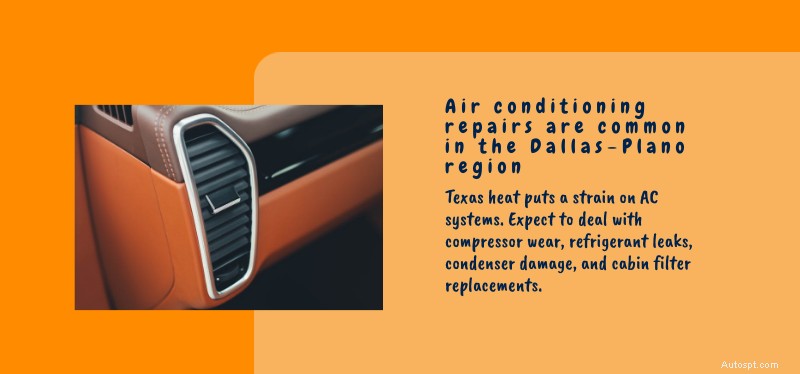
AC performance is critical in Texas climate conditions. Continuous summer use accelerates compressor wear and refrigerant leaks.
Typical AC repairs include:
Annual AC inspections maintain cabin comfort and prevent major repairs.
Parts selection significantly influences repair quality and longevity. Luxury vehicles require precise fit and compatibility.
Comparison of parts options:
Category Genuine Parts Aftermarket Parts Fit and compatibility Exact match May vary Longevity Typically longer Depends on brand Cost Higher upfront Lower upfront Warranty Often included Varies widelyQuality parts reduce repeat repairs and improve long-term reliability.
Accurate diagnosis prevents unnecessary part replacement. Modern Mercedes vehicles require advanced scanning and testing procedures.
Effective diagnostic practices include:
Proper diagnostics reduce repair costs and improve reliability.
Luxury vehicle repairs require specialized training and experience. Incorrect repair procedures can cause additional damage.
Specialized technicians understand:
Experience reduces repeat visits and improves repair accuracy.
Preventative service identifies issues before failure occurs. Regular inspections provide early warning of component wear.
Preventative inspection focus areas:
Routine inspections provide long-term cost control.
Consistent maintenance stabilizes ownership costs over time. Neglect leads to unpredictable and expensive repairs.
Cost drivers include:
Proactive care results in predictable repair expenses.

Independent European repair shops often provide specialized service without dealership overhead. Many drivers choose independent specialists for long-term ownership support.
Benefits often include:
Independent service options provide flexibility and cost control.
Used Mercedes purchases benefit from professional inspection before sale. Hidden issues can dramatically increase ownership costs.
Inspection areas include:
Pre-purchase inspections reduce financial risk.
Selecting a repair provider affects reliability, cost, and long-term vehicle performance. Not all shops possess Mercedes diagnostic capability.
Key evaluation criteria include:
Choosing a qualified specialist improves ownership experience.
Warranty coverage changes repair strategy and cost responsibility. Extended warranties may cover major components but exclude maintenance.
Warranty considerations include:
Understanding warranty terms avoids denied claims.
Seasonal maintenance prepares vehicles for temperature changes and heavy travel periods. Planning reduces emergency repair risk.
Seasonal service checklist:
Seasonal preparation reduces roadside breakdown risk.
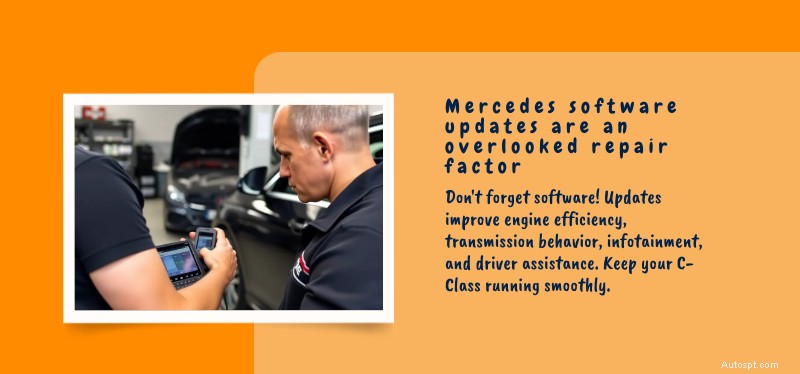
Software updates correct performance and reliability issues. Modern vehicles rely on software calibration for proper operation.
Software updates can improve:
Routine software updates enhance vehicle reliability.
Long-term ownership requires consistent care and skilled service. Preventative maintenance and early diagnosis protect reliability and performance.
C-Class vehicles reward attentive ownership with strong longevity and driving comfort. Strategic service planning protects investment and ensures dependable operation.
How often does a Mercedes C-Class need maintenance?
Mercedes C-Class maintenance typically occurs every 5,000–7,000 miles or once per year. High heat and heavy commuting in Dallas or Plano may require shorter intervals.
Are Mercedes C-Class repairs expensive compared to other cars?
Mercedes repairs are generally higher than mainstream vehicles due to specialized parts and diagnostics. Preventative maintenance helps control long-term costs.
What is the most common Mercedes C-Class repair?
Common repairs include suspension wear, oil leaks, sensor failures, and brake service. Electronic diagnostics frequently identify minor issues before they escalate.
Can a Mercedes C-Class last over 150,000 miles?
Properly maintained C-Class vehicles often exceed 150,000 miles. Consistent service and early repairs play a major role in longevity.
Should I go to a dealership or independent shop for repairs?
Both options provide value depending on needs. Many drivers choose independent European specialists for long-term service after warranty expiration.
Why does Texas heat affect Mercedes repair frequency?
High temperatures accelerate wear on batteries, cooling systems, rubber components, and AC systems. Seasonal inspections reduce heat-related failures.
Is preventative maintenance worth the cost?
Preventative maintenance reduces major repair risk and stabilizes ownership costs. Routine service prevents expensive component failures.
Mercedes C-Class ownership continues evolving as vehicles integrate advanced technology and electrified components. Repair strategies that prioritize diagnostics, preventative care, and specialized expertise will define long-term reliability in the Dallas and Plano driving environment.