The P0351 code means your engine control module (ECM) has detected a malfunction in the ignition coil “A” primary/secondary circuit, which corresponds to cylinder 1 on most engines. When this circuit fails, the ECM cannot properly control the ignition coil (below) that’s responsible for generating the high-voltage spark to ignite the air-fuel mixture. As a result, the engine may run roughly, misfire, or lose power, and will log this ignition coil code.
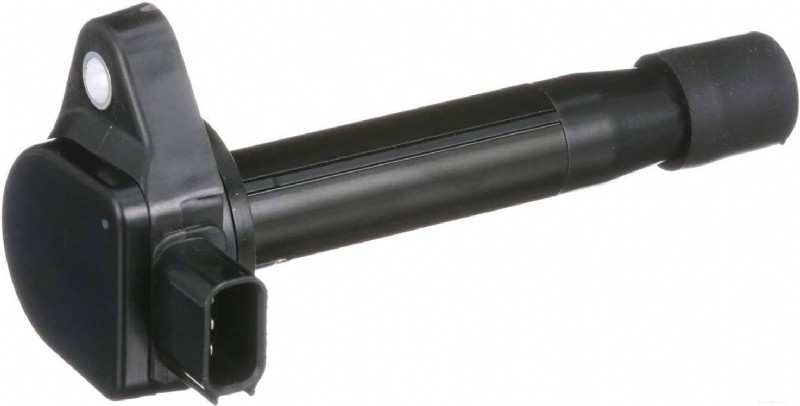
Ignition coilAmazon
This code is common across many brands, and because it’s a generic error, P0351 on Ford vehicles means the same as P0351 on Toyota or any other vehicles, and always refers to the same P0351 ignition coil A primary/secondary circuit malfunction. Because the ignition coil is critical to engine operation, the problem should be diagnosed and repaired quickly to avoid long-term damage to the catalytic converter or ignition system. It is very similar to the ignition coil B primary/secondary circuit error, which has the P0352 code.
What the P0351 Code Means
Modern engines rely on coil-on-plug (COP) ignition systems, where each cylinder has its own ignition coil. This coil receives a low-voltage signal from the ECM and converts it into a very high voltage—often 20,000 volts or more—to fire the spark plug.
When the ECM detects:
- An open circuit,
- A short to ground,
- A short to voltage, or
- An abnormal coil current pattern,
…it will trigger P0351, indicating the ignition coil “A” circuit is not operating as expected.
Because coil “A” corresponds to cylinder number 1 on most engines, the ECM may also trigger related misfire codes such as P0301 (cylinder 1 misfire).
Common Causes of P0351
Here are the most frequent culprits behind the P0351 code:
- A faulty ignition coil (most common). Coils wear out over time due to vibration, heat, and internal electrical failure.
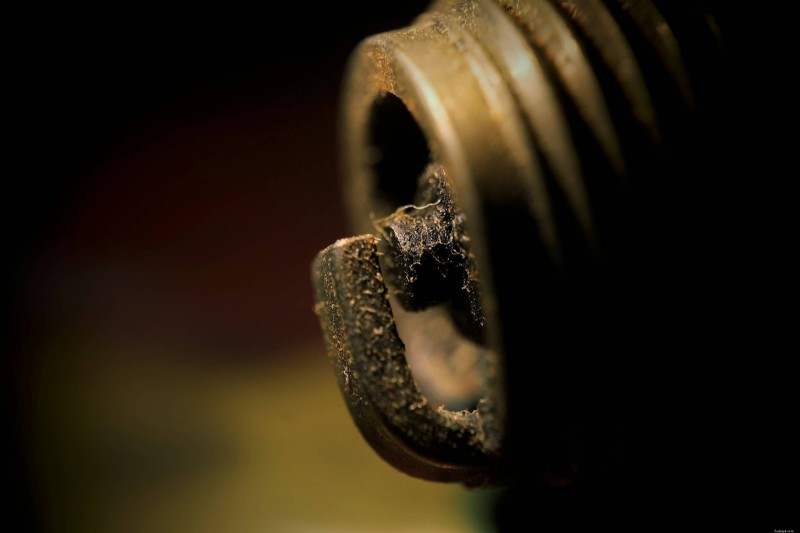
- A damaged spark plug (below) or spark plug boot. A worn spark plug increases resistance and forces the coil to work harder until it fails.
- Wiring problems. This includes broken wires, corroded connectors, loose coil connectors, and shorted wires contacting metal parts. Because the coil relies on precise electrical control, even small wiring issues can trigger P0351.
- A faulty ECM driver circuit. If the ECM cannot properly control the ignition coil, the circuit may appear to be open or shorted, triggering the code.
- Oil or moisture intrusion. Oil leaking into the spark plug well (common in Toyota and Nissan engines), or water intrusion can disrupt the coil circuit.
Symptoms of the P0351 Code
The symptoms vary depending on how severely the coil circuit is compromised:
- The Check Engine Light (CEL) is on
- An engine misfire, especially on cylinder 1
- A rough idle
- Poor acceleration or hesitation
- Increased fuel consumption
- Hard starting
- The engine won’t start, or limp mode will be activated in severe cases
Because misfires can damage the catalytic converter over time, the issue should not be ignored.
How to Diagnose P0351
A professional or DIY diagnosis typically follows these steps:
- Scan for additional error codes. Misfire codes like P0301 or fuel-trim codes may help to verify that the failure is isolated to cylinder 1.
- Inspect the ignition coil. Remove coil “A” (cylinder 1) and look for cracks, burn marks, corrosion, melted plastic, or oil contamination.
- Swap the coil to another cylinder. If you move the coil to cylinder 2 and the misfire follows and becomes P0302, the coil is bad.
- Inspect the wiring and connectors. Check for broken or frayed wires, green corrosion, loose terminals, and moisture inside connectors. Wiggle-testing the harness while the engine runs can help to locate intermittent faults.
- Check the spark plug and boot. Worn plugs or cracked boots can cause coil circuit strain.
- Test the ECM coil driver (advanced). If the coil and wiring check out, test the ECM’s pulsed control signal using an oscilloscope. If no signal is present, the ECM driver circuit may be faulty.
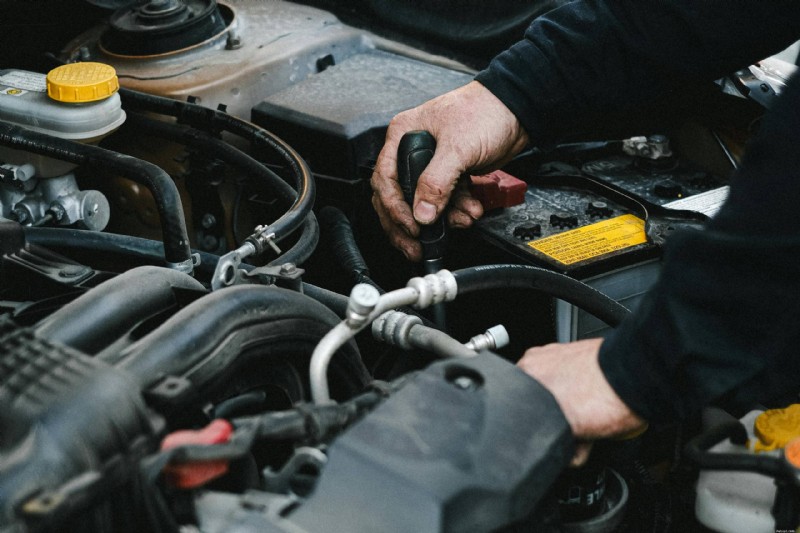
Photo by Anna Shvets on Pexels
Common Repairs for P0351
RepairDescriptionReplace the ignition coilThe most common repair; it’s quick and inexpensive on most vehicles.
Replace the spark plug(s)Spark plugs should be replaced if fouled or worn.
Repair wiring or connectorsFixes shorts, open circuits, and voltage inconsistencies.
Replace the spark plug bootPrevents arcing and improves coil performance.
Replace the ECM (rare)Only necessary if the coil driver circuit is confirmed faulty.
Important: Always first diagnose the root cause. Replacing a coil without fixing a wiring problem may cause the new coil to fail again.
Prevention Tips
- Replace the spark plugs at the recommended intervals
- Keep oil leaks under control (especially leaks from valve cover gaskets)
- Avoid washing the engine bay with high-pressure water
- Use high-quality ignition coils to avoid premature failure
FAQs
Q: How to fix error code P0351?
A: Start by inspecting the spark plug and ignition coil for damage. If they look fine, check wiring and connectors. In most cases, replacing the ignition coil fixes the issue.
Q: Which coil is P0351 for?
A: Coil “A”, which is typically cylinder number 1 on most engines. Always verify with your service manual for your specific vehicle.
Q: Can a bad spark plug cause a P0351?
A: Yes, a damaged or worn plug forces the ignition coil to work harder, which can trigger this code.
Q: What is the code for a bad ignition coil?
A: Common ignition coil codes include P0350 through P0362, where each corresponds to a specific cylinder. P0351 = Ignition Coil A, or cylinder 1.
Final Thoughts
P0351 is a clear sign of an ignition problem affecting cylinder 1. While the vehicle may continue running, ignoring the issue risks worsening performance and damaging the catalytic converter. Fortunately, the fix is often simple, with most cases requiring nothing more than a new ignition coil or spark plug, along with verifying wiring integrity.
About the author