
When there’s oil coming out of your exhaust, you have every right to be alarmed. Clearly, motor oil is not meant to travel out of the exhaust pipes, so you know there’s a problem. Trying to figure out what’s wrong and fix it before more damage is done is key to keeping your car in good shape.
In this guide, we cover the top reasons you may see oil in the exhaust. We also show you how to fix it and give you a few answers to questions we hear asked.
Oil coming out of the exhaust often indicates an internal engine problem. It can happen when the turbocharger fails or the PCV valve becomes clogged. Other possible causes include worn valve seals, a blown head gasket, bad piston rings, damaged pistons, or a cracked cylinder head or engine block. Some of these issues can be serious and need to be checked right away.
Let’s take a closer look at each possible reason for oil coming from the exhaust so you can pinpoint the issue and find the right solution.
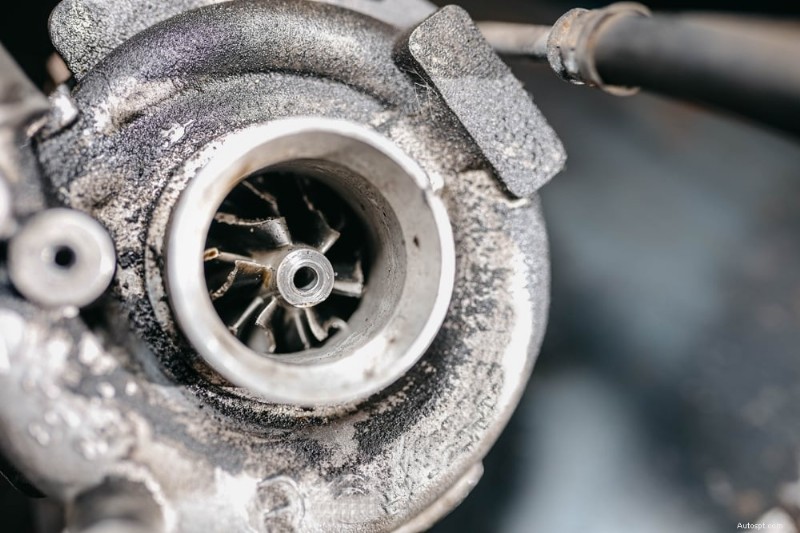
When a turbocharger goes bad, oil from the component can get into the exhaust. Most of the time, this oil burns off, so you should see mainly black or blue smoke coming out.
A bad turbocharger will also create poor acceleration, increased fuel consumption and a Check Engine Light. The faulty turbo also creates a unique siren sound that comes from the engine.
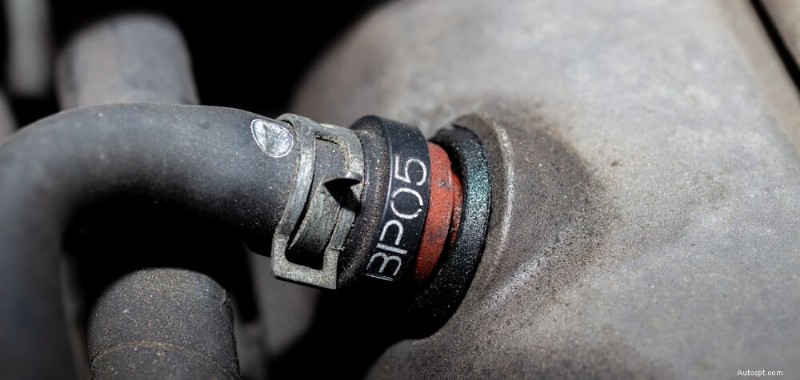
The positive crankcase ventilation (PCV) valve is responsible for releasing the exhaust gases and any unburned fuel from the engine. If the PCV valve becomes clogged, the gas volume builds up and creates an excessive amount of pressure.
When oil comes out of the exhaust because of the PCV, it tends to create blue smoke. You may also notice oil-covered spark plugs.
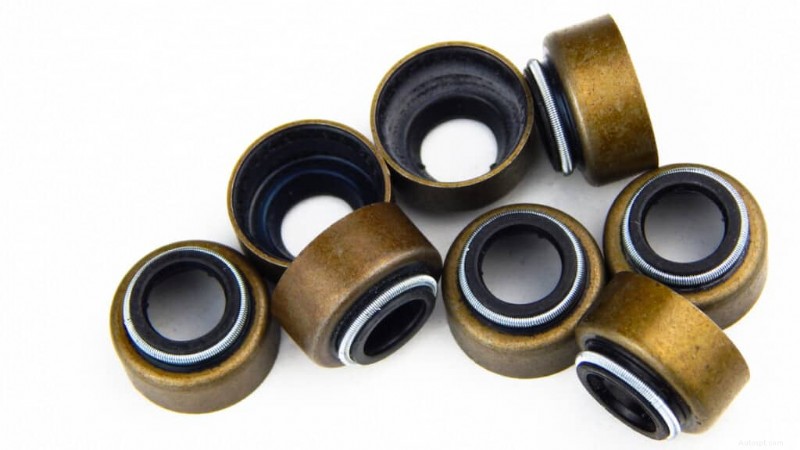
Valve seals are needed to keep the oil in the crankcase and out of the cylinders. If the valve seals are bad, you will see blue smoke from the exhaust because it has oil in it.
This problem also causes oil-coated spark plugs and poor fuel economy. There will also be rough idling and poor acceleration.
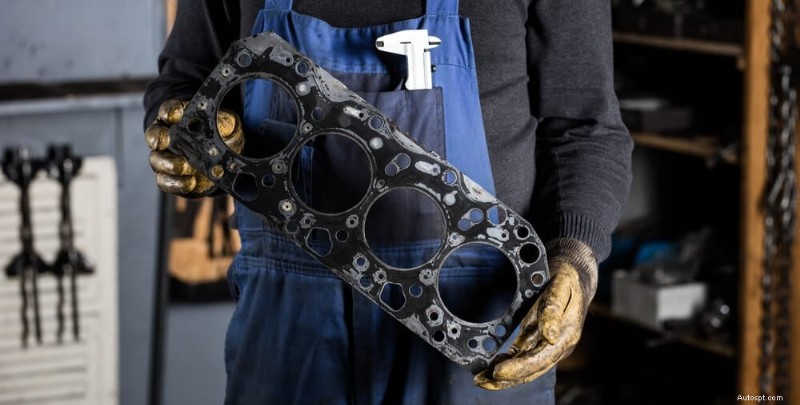
The head gasket is the seal needed between the block and the engine heads. When the head gasket blows, fluids can infiltrate beyond the seal and mix into the exhaust. When oil gets where it shouldn’t, you will see it coming from the exhaust. You may also see the oil level decrease as it continues to leak.
Along with these symptoms, a blown head gasket will lead to an overheating engine. It can also cause poor fuel economy and reduced performance.
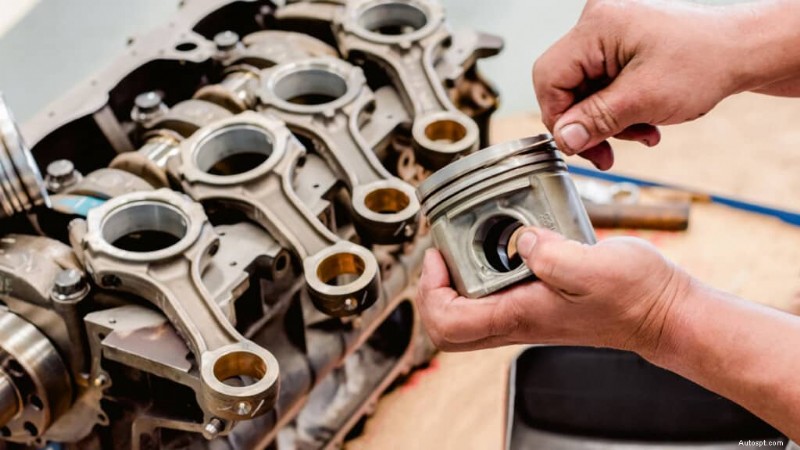
If a piston ring is bad, the seal between the piston and the combustion chamber is damaged. These rings are needed to keep oil from getting into the chamber. They are also required to maintain the right amount of pressure.
With a bad piston ring, oil can leak while the engine is running, especially when under a load. Because of increased pressure, oil forces its way through the exhaust port, not only contributing to engine damage but also creating a fire hazard.
The engine piston is needed to provide linear force for turning the crankshaft. Pistons are also needed to compress the air-fuel mixture before ignition. When a piston is faulty, oil leaks and gets into the combustion chamber.
As oil burns with the air-fuel mixture, it will come out of the exhaust as blue smoke. Emissions will be higher and engine damage can also occur.
If the block or cylinder head cracks, the oil can come out of the exhaust. The crack leaves a pathway for the oil to escape. It then mixes with exhaust gases and comes out the tailpipe as blue smoke.
If left unchecked, the block or cylinder head crack can cause serious engine damage. In some cases, it will require an engine replacement.
It’s important to take quick action if you notice oil coming out of the exhaust. Left unchecked, serious problems can occur if they haven’t already. For that reason, we’ve outlined a few steps to get you started. Even if you only have minimal mechanical experience and few tools, you should be able to perform some of these tasks.
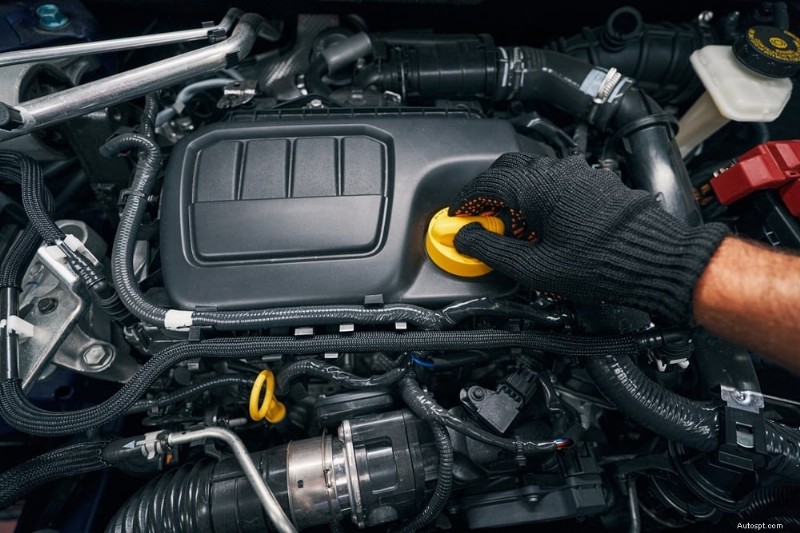
Carefully remove the oil cap with the engine running. Use extreme caution because hot oil can spray.
What you are looking for is the amount of pressure from the crankcase. In a normal running motor, there should be a small amount of air that blows out of the filler cap because of the pressure.
If the air blowing out is excessive or it has a fuel smell, there could be other issues, such as a clogged PCV valve. It could also signify worn piston rings. This condition is known as engine blow-by.
The PCV valve is often located on the intake manifold. You can take it off of the valve cover while keeping the hose attached. Put your finger over the open end to see if it suctions. If so, the valve is working as intended.
If it’s not sucking, you need to clean it. Here are some steps to follow.
If that doesn’t solve the problem, you may need to replace the PCV valve, which is also an easy task.
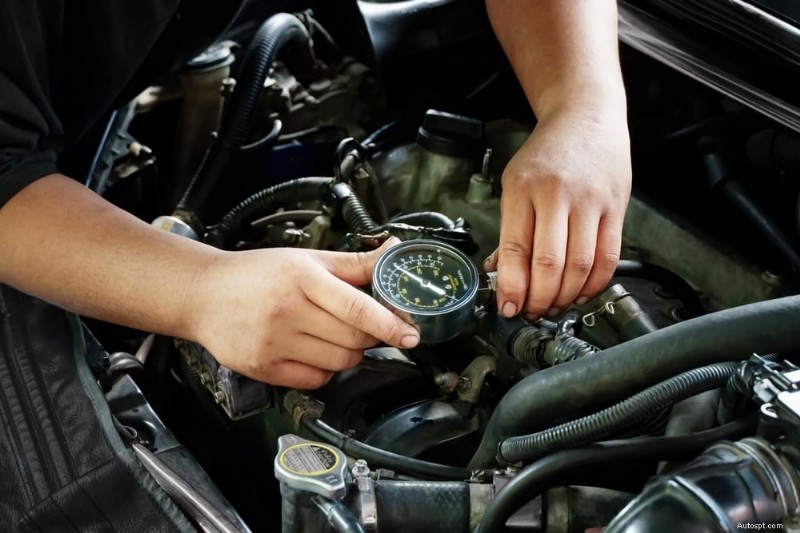
An engine leakdown test does take a little more time and you will need some professional equipment. However, the results will help you diagnose the problem. Here are some steps to follow.
If there’s a leak based on manufacturer specification, take out the oil dipstick, oil filler cap and radiator cap. With the throttle body open and the air cleaner removed, listen for air to escape. Wherever the air is escaping is the source of your problem.
You can check the turbocharger in several different ways. However, the easiest way is to visually inspect the turbocharger impeller for signs of oil leaks. You want to do this for both the exhaust and intake impeller. You can also remove the hose from the intercooler and see if it is filled with oil.
You also want to feel the impeller play and look for external damage on the intake or exhaust impeller, which could indicate a bad turbocharger bearing, causing it to leak oil.
If you’ve had trouble diagnosing the issue or don’t have the right tools, consider paying a mechanic for help. As professional technicians, we would rather see someone take their car to the shop than allow more engine damage to occur.
You can find qualified shops online by reading through customer reviews. Your friends, family and co-workers may also have a recommendation for you.
Can oil leak out of the exhaust manifold?
Yes, oil can leak out of the exhaust manifold gasket if it has become old and worn at the same time you have an engine malfunction. However, if you see oil leaking around the exhaust manifold, it’s much more likely that the oil is leaking from the valve cover gasket above.
Is it safe to continue driving when oil is coming from the exhaust?
No, you should have the vehicle checked right away. Oil coming out of the exhaust can signify a major problem that will only get worse from neglect. On the other hand, a simple problem could be repaired before it becomes major. Unless you feel like replacing the engine, it’s best to take action immediately.
What does burning oil from the exhaust look like?
When smoke coming from the exhaust has oil in it, the color will be bluish-gray. You may also smell something different about the exhaust. Oil in the exhaust should be fixed immediately before further damage occurs, such as catalytic converter failure.
Why does my car’s exhaust smell like burning oil?
Oil can come out of the exhaust because of several mechanical malfunctions. Maybe the PCV valve is clogged or the turbocharger has failed. It’s also possible that there’s a blown head gasket, bad valve seals, damaged pistons, the head or block is cracked or the piston rings have failed.
There are some problems with your car that can be ignored for a short time, but oil coming from the exhaust is not one of them. This condition shows that something has seriously malfunctioned and you should look at it right away. This isn’t the time to procrastinate.
By inspecting the system or having a mechanic look at it, you may be able to avoid costly repairs. That’s why we always recommend taking the condition seriously, especially if you hope to get many more miles out of your vehicle.
