
May 21, 2024
Whether you’re a professional mechanic or a hands-on DIY’er, the how and the why of cleaning an EGR valve should be firmly on your radar. All too often, these essential engine components don’t get the attention they deserve, and a neglected EGR valve can easily lead to an unhappy engine and increased emissions.
So, how exactly do you clean an EGR valve? Why should you bother doing it? And how often will the job need doing? These are all questions we hope to answer as part of our complete guide to cleaning EGR valves.
In this resource, you’ll learn…
What is an EGR valve?
Why should you clean an EGR valve?
What are the symptoms of a bad EGR valve?
How to clean an EGR valve
How often should you clean an EGR valve?
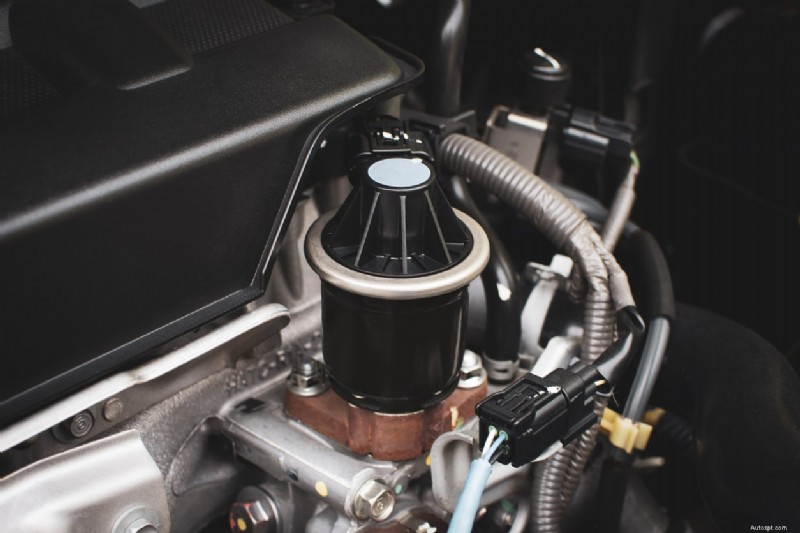
‘EGR’ stands for exhaust gas recirculation, which should give you a clue as to what this component does. The EGR valve sits between the exhaust manifold and the intake manifold, where it channels hot exhaust gases back into the engine intake.
Why does it do this? Well, it’s all about reducing emissions and decreasing the temperature of exhaust fumes. Recirculating spent exhaust gases through the intake manifold removes emissions (including nasty ones like nitrous oxide) so that the fumes sent to the exhaust manifold are as clean as possible. It also decreases the temperature of exhaust gases, helping to prolong the life of components within the exhaust system.
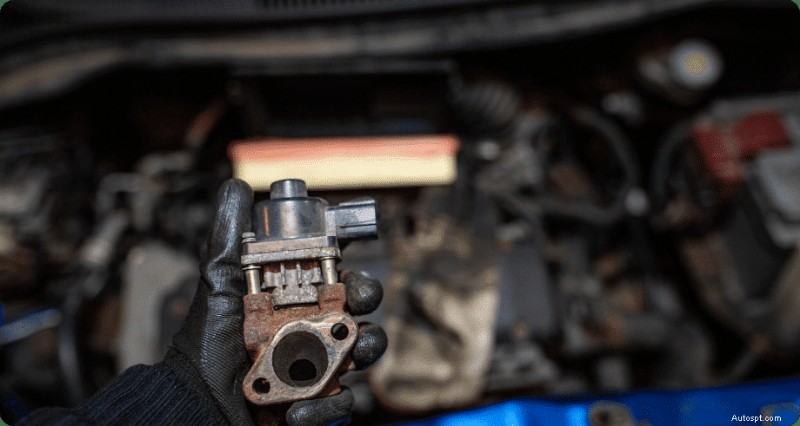
Since it’s buried deep in the bowels of the engine, you may be wondering why you need to go to the trouble of cleaning a car’s EGR valve. After all, surely the intense heat of the engine should do all the hard work for you, right?
While this last point is true to some degree, EGR valves – like most other internal components – can get gunked up with particles over time. Soot, grime, and oily deposits can build easily within the small confines of an EGR valve, causing the valve to stick, develop faults and not work efficiently.
Diagnosing a faulty EGR valve that may require a good clean can be difficult. That’s because the symptoms are very similar to other common engine-related faults.
So, what signs indicate that your car’s EGR valve is in a poor state of repair? Here are some of the clues to look out for…
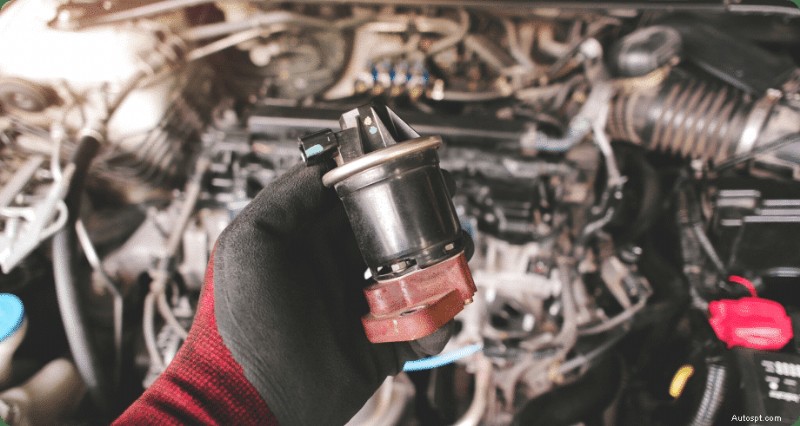
Ready to set about cleaning an EGR valve? Be warned that this job can be a little fiddly, so you’ll need to know your way around the engine before you start.
Here’s a list of what we’d recommend for the job:
And here’s how to clean an EGR valve step-by-step:
While EGR valve problems are relatively uncommon, regular cleaning and maintenance can prevent issues in the long term while maximising the performance and efficiency of your car’s engine. We would, therefore, recommend cleaning your car’s EGR valve every 50,000 miles to ensure that this essential component continues working at its best.
Cleaning an EGR valve may not sound all that important, but this small task can have a notable impact on a car’s long-term efficiency and performance. Don’t forget to check out the rest of the Holts blog for more essential motoring guides, or tap here to browse our range of DIY and professional car maintenance solutions.
