
Does your car need new tyres? Take the hassle out of your search with our ultimate guide to finding and buying the right tyres for your car.
We’ve covered everything there is to know about finding car tyres, including how to find out what type of tyres fit on your car and the pros and cons of different makes and models. Use the links below to navigate the guide.
Quick links
There are a few ways to find out what tyres you need for your car:
There are hundreds of tyres available for every make and model of car, so choosing the right rubber can be tricky. There are advantages and disadvantages to every tyre, so you’ll have to weigh up the pros and cons before buying.
Here are a few things to consider when buying new car tyres:
Every tyre has a size code printed on its sidewall. This provides all the essential information you need to find the right tyres for your car.
Take a look at the diagram below to get to grips with what the numbers mean on your tyres.
There are five main types of car tyres you need to know: premium, mid-range, budget, seasonal and run-flat. There might be types that you can’t use on your car, as some are only used on specific premium models.
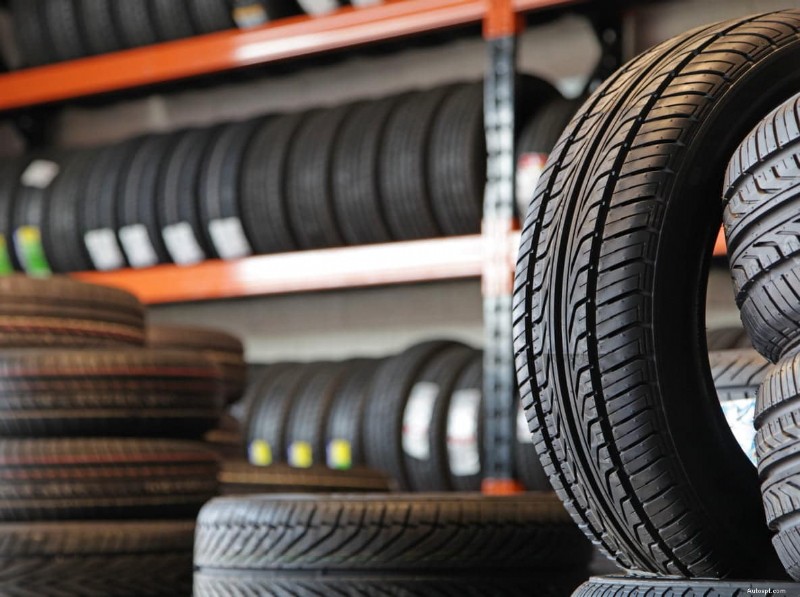
Premium tyres are produced by the big-name tyre brands, including Michelin, Continental, Goodyear, Pirelli and Bridgestone. They’re the most expensive standard tyres available, but do offer benefits such as added durability, excellent grip, improved stopping distances and quieter on-road performance.
Premium tyres are generally available for every make and model of car. Because they’re expensive, some people choose to have premiums fitted on the front wheels only, as they wear the fastest and need the best grip around corners.
Mid-range tyres are the next price tier down from premium tyres. They’re normally made by brands like Toyo, Yokohama and Firestone. The great thing about mid-range tyres is that they give excellent all-round performance at a reasonable price point. That’s probably why they’re among the most popular tyres chosen by drivers.
If you’re looking for reasonably inexpensive tyres that don’t compromise performance and durability, mid-rangers are the type to choose.
Budget tyres are the cheapest new tyres available. They’re made by brands like Nordexx, Lanvigator, Budget and Maxtrek. Because they’re so cheap, you can’t expect the same performance you’d get from a premium or mid-range tyre, and you’ll probably need to change them after about 8,000 miles to ensure they stay in a safe and usable condition.
That said, budget tyres are a cheap option for drivers looking to tighten the purse strings. If you don’t do a lot of miles and do most of your driving in town, there’s nothing wrong with buying cheap tyres that can get you from A to B.
Seasonal tyres are rated for different climates, with different rubber compounds and tread patterns depending on whether its summer or winter. Most drivers use the same tyres all year round, but others choose to fit seasonal tyres depending on the time of year.
There is some benefit to fitting seasonal tyres ahead of the changing seasons. Summer tyres are lighter because they have less rubber tread, giving better overall fuel economy, while winter tyres offer better performance in wet and icy conditions. Of course, the trade-off is price, and the inconvenience of having to change your tyres every six months.

Run-flat tyres are a new type of tyre that are commonly fitted on premium makes and models, like BMW and Mercedes. They have a rigid, reinforced sidewall that allows the driver to keep going for a limited time after a puncture, so they can get to their destination or to a garage (distance and speed permitting). (As a result you don’t need a tyre repair product like Tyreweld.)
Needless to say, run-flat tyres are pretty expensive. They’re not that widely available, and their technology means they cost a lot more than even the most expensive premium tyre. What’s more, they can’t be repaired like regular tyres, so if something goes wrong, you’re looking at a brand-new tyre.
Learn more about run-flat tyres in our comprehensive need-to-know guide
Part-worn tyres are second-hand and taken from other cars. They’ve become a popular way for drivers to get ‘new’ tyres cheaply, but there are lots of potential pitfalls to be aware of.
When tyres are replaced, dealers may choose not to dispose of the old tyres if they’re still in good condition and have a minimum tread depth of 2mm. They can then be sold on as part-worn tyres, which come in at a fraction of the price of brand-new rubber.
Part-worn tyres are fitted in exactly the same way as new tyres. Tyre dealers stockpile and sort second-hand tyres by size, so they can quickly find part-worn tyres that fit a specific make and model.
If you’re looking for cheap tyres, part-worn is an option. But, be aware of these pros and cons before you decide to buy:
Pros
Cons
Keeping a can of Holts Tyreweld in your boot offers peace of mind that you won’t be left stranded by a puncture. For more information on this and our complete product range, visit the homepage.
