
As a part of your vehicle’s regular maintenance, you should regularly have your vehicle serviced and make your own checks in between. Maintaining the right levels of oils and coolant are vital components in ensuring your car performs to its maximum capabilities without leaving you stranded at the roadside.
In this article, we will be covering the hot topic: does engine coolant affect AC performance, as well as what coolant really is and all the ways it benefits your vehicle.
Knowing how your vehicle works can be one of the best ways to spot early warning signs that you may benefit from a trip to the mechanics. One of the first things you should know is what your car needs to run, and I’m not just talking about gas.
Your engine oil is vital at maintaining the full function of your engine. It cleans, cools, and lubricates the moving parts of your engine keeping them protected from seizing up and leaving you walking. Your vehicle may come equipped with an engine oil level on the dashboard, or you may need to go under the hood and use the dipstick to check your oil levels.
Simply remove the dipstick and wipe the end clean, replace it into the oil tank and remove it again and check the level against the handy markers located on the end of the stick. This provides you with a rough gauge of where your oil levels should be located.
The coolant in your car is a liquid that circulates through your engine keeping the cylinders from overheating and performing at their best. The coolant will work to absorb the heat from inside your car and take it elsewhere to protect the interior of your car.
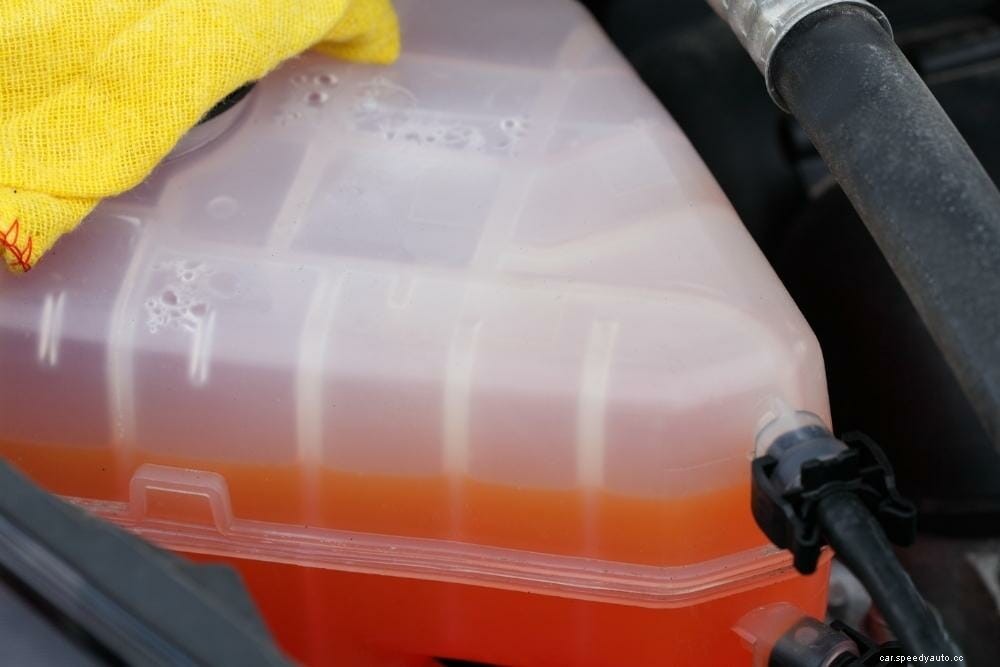
This means the levels and condition of your coolant make all the difference in how your air conditioning functions on a day-to-day basis. Low coolant will lead to high temperatures under the hood as well as other damaging issues. If your coolant levels seem correct you may want to consider if it is in the right condition to do its job, if so you should look into having your coolant system flushed at the suggested intervals for your car make and model which will all be listed in your manufacturer’s handbook.
We recommend going to a garage you can trust to have this done as having the wrong coolant in your car can be just as damaging as having none at all. It can lead to water-pump damage and offer no protection on the mechanical seals in your pump which over time will lead to corrosion and damage to your radiator hoses and cylinder gasket too. Worst case scenario, it can damage your entire engine over time.
The quick answer is yes, coolant can definitely affect a car’s AC performance. But not as you would initially think – but by having an impact don’t the car’s temperature, airflow, and humidity.
As a car’s interior is situated close to the engine block it can become heated by the coolant that is circulating around the engine. This does mean that the coolant is doing its job as it is preventing your car engine from overheating and expelling the hot air simultaneously.
As the coolant in your engine controls how cool the air is that enters your AC unit, it can directly affect its performance. Not enough coolant and too much hot air will get in instead raising both the humidity and temperature.
In the same way as a home AC unit can help to maintain the moisture level in the air for the comfort of its inhabitants. The same applies to a car’s humidity level – if there is too little humidity the air conditioning will cause the vehicle driver and passengers to have dry skin and mouth. In order for the coolant to release the humidity back into the air, there must be enough moisture in the engine block.
However, it might not always be your coolant levels to blame if you’re having AC issues in your vehicle. If your coolant levels are not concerning, you may be wondering why your AC is giving a poor performance. Here are some other reasons as to why your air conditioning may not be performing to the standards you hoped for.
Your thermostat may also be to blame here. If your car has had previous owners you may want to look into any previous changes to the Thermostat and if it is correctly installed and performing as it should be. It may also be stuck or not functioning when it comes to fully closing and opening.
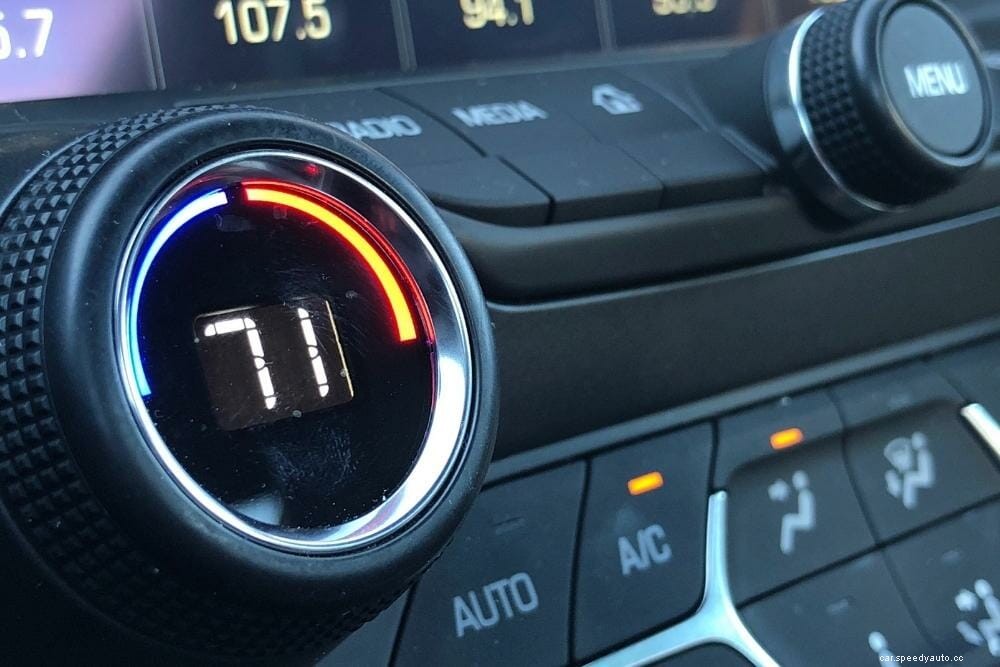
If your thermostat is stuck open, the temperature of your engine can drop leading to a lack of heating in your system and even the appearance of the dreaded Check Engine light. Alternatively, if your thermostat is stuck closed then not enough coolant will travel into your engine during use which can lead to dangerous overheating.
You should also check for leaks and incorrect fitting of your car radiator as this could be the reason for your air conditioning giving a poor performance. The water pump that is responsible for pumping your coolant and providing correct circulation is another vital component to check. The pump relies on centrifugal force and impeller blades to flow coolant around the engine and hoses which leads into the radiator.
An easy way to check if your coolant is circulating correctly is by touching the lower radiator hose once your engine has reached an operating temperature. If the lower hose feels hot then your coolant is circulating. However, if it doesn’t feel hot, this may be an indication that your radiator is restricted and leading to issues with your air conditioning performance.
If your air conditioning is performing at less than the desired level then you may want to have your car’s air conditioning checked to ensure the coolant (freon) is at an optimal level and not leaking from any part of your vehicle.
Low coolant means your vehicle’s radiator and other internal parts won’t be able to perform correctly leading to overheating and other potential issues with your car over time.
Engine coolant is also known as anti-freeze which is mixed with water to prevent your radiator from freezing in extremely cold temperatures and also overheating in hotter climates too. There are many varieties available and your car will require a specific type for optimal performance.
Knowing the correct functions of your vehicle is key to gaining a correct diagnosis of your issues so you can get your car back on the road in full function in no time. The coolant in your car is as vital as the gas you put in when it comes to maintaining a healthy functioning engine in your vehicle. If you ever are unsure of where the fault is, always consult your local garage or trained professional to assess the car and give you an in-depth diagnosis of the problems at fault.
Check out more of VehicleFreak’s tips here:
Is Coolant And Antifreeze The Same Thing?
How Far Can You Drive Without Coolant?
How To Put Coolant In A Car: Adding Antifreeze The Right Way
