
Getting a new car is exciting. The pristine crisp leather, that new car smell. Everything about your new car is immaculate. It is no surprise that as a new owner of a brand new car you tend to look after it as if it were your baby.
Many new cars that are fresh out of the factory need to be well cared for as with any other vehicle but there are always those questions you may find yourself asking, one of which is usually…
When should you get your first oil change on a new car?
With any car, we know that oil is the golden liquid that helps maintain the efficiency and overall health of the engine. Without oil, you can cause catastrophic damage to the engine of your car so it is no wonder that many new car owners want top-notch information on when to change the oil.
It is important to recognize that every car comes with its own driver’s manual and for each brand of the car an oil change may be recommended at different intervals.
Typically the advice for getting an oil change on any car was when you hit 3000 miles. This may seem very low but these days with the development of greener fuels many car manufacturers have developed the engine materials and oil chemistry for cars to now travel between 7000 and 10000 miles before needing their first oil change.
It is now recognized by most car dealerships that getting an oil change on a brand new car is best around 500 to 2000 miles. It seems like quite a difference when you compare it to the first 7000 miles.
This recommendation is used as a precaution as newer cars need more care and attention in the early stages of their use compared to a car that has been running for 5 years already.
The varied guidance proves that as a new car owner you should always refer to the specifics in the driver manual for the most up-to-date information and advice on how to care for your engine.
Owning a new car has its benefits, one being the warranty under which it was sold. It is extremely important to maintain the health of your car if you wish it to stay covered under the buyer’s protection warranty.
Taking your car for regular services and maintenance checks will enable you to travel with confidence as in these services the garage will perform an oil health and level check for you.
Not keeping these checks up to date could void your warranty and leave you helpless if there was a manufacturer’s fault.
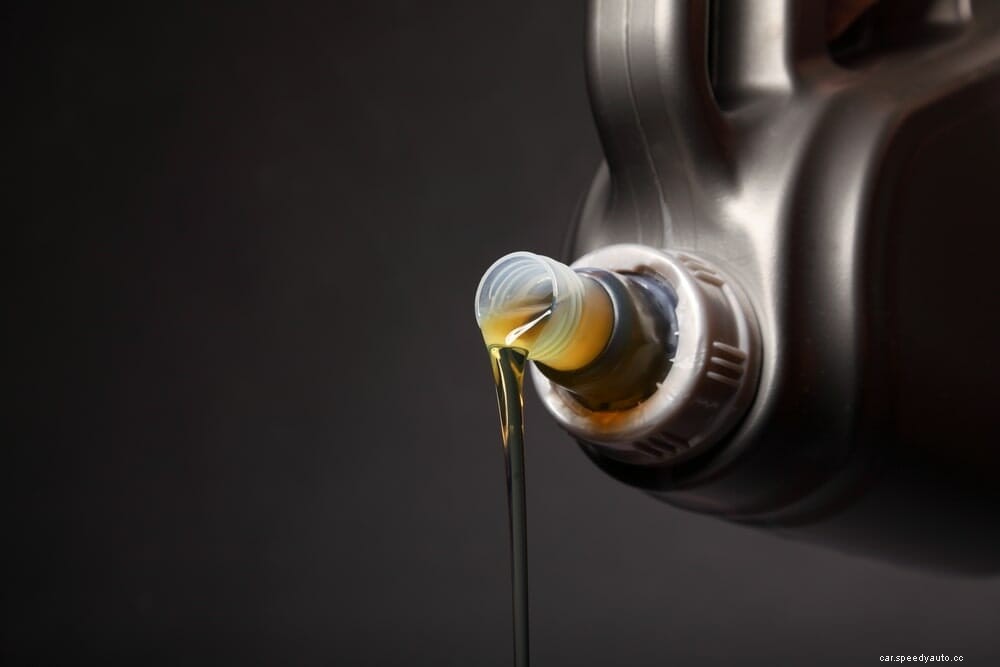
We all understand the important role oil plays when running a car and it would be good practice to change it regularly right?
In a nutshell, changing your car oil on a regular basis will not hurt or damage your engine but it will leave a dent in your wallet if done too frequently.
The price of oil is increasing and you may be able to save a few dollars if you are brave enough to do an oil change yourself but with our busy lifestyles along with family and work commitments, this is not always possible. Using a garage can come at a larger cost when you add in the labor and materials.
There is no evidence that suggests frequent oil changes will damage your engine but keep in mind that your owner’s manual will give you the best advice for your car. You may wish to change the oil before their recommendations in the first instance but this does not need to be recurring practice.
Going to give the oil change a go yourself? You head to the nearest grocery store and are bombarded by the different types of oil available. There are fully and semi-synthetic, numbers and letters to coincide with the specifics on certain cars, etc. It can be mind-boggling!
As with anything in a brand new car you should always check your handbook for the recommended oil. Brand new cars tend to use thinner oil for the engine to be correctly lubricated but as time goes on and your car starts to gain the wear and tear of its daily journey’s you can switch to a thicker oil.
Believe it or not, using the correct oil for your engine will help your fuel consumption by as much as 2% than if you used any oil.
So it is a bit of a no-brainer, use the oil recommended for your engine and you can travel further, increase your engine efficiency and help avoid problems further down the road.
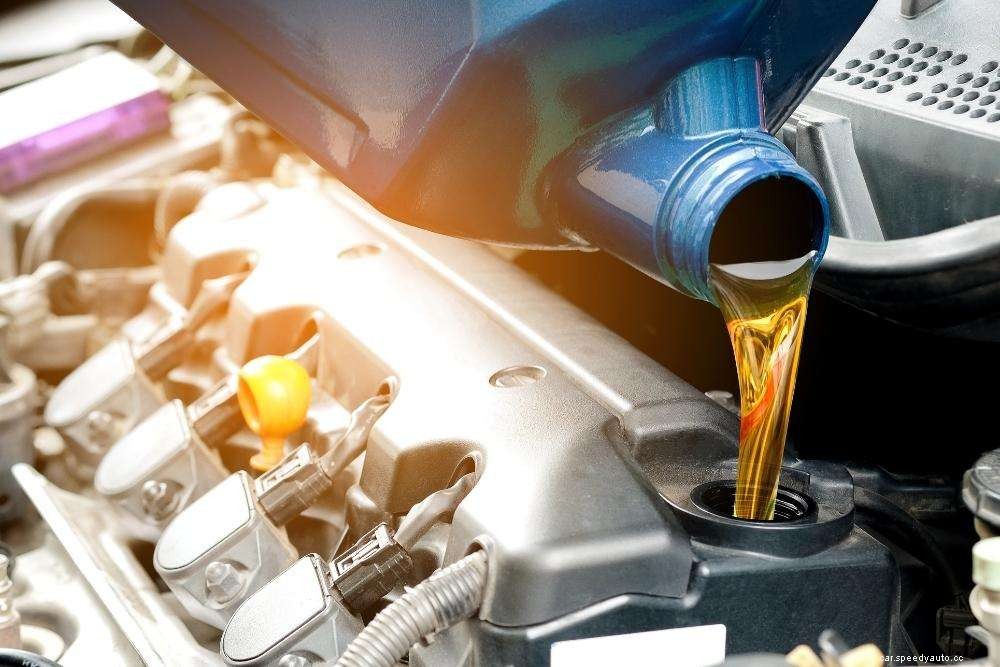
As you increase the mileage on your car you can consider using different, thicker oil made for high-mileage cars. The more wear-and-tear on the engine will impact the work needed and the engine may run better on a thicker oil.
The oil acts as a lubricant between the moving parts that helps to prevent friction. Too little oil can cause heat and friction which means the components will wear down faster, causing extensive damage to your car.
New cars tend to have a warning sensor on the dash of the car. This internal computer can indicate when the sensor detects low oil or the need for an oil change.
In many cases, it is important to recognize what to look out for when your car needs an oil change. If your car is taking a while to start it may present itself by ticking over before firing up, then this will be your key indicator to get an oil change.
It is recommended that you change the oil in a new car around 500-2000 miles this helps remove any metal particles from the engine break-in process.
Overall the answer to the question will be in the manual handbook of the car. If you haven’t got a handbook then they can usually be downloaded off the internet or you can request one of the dealerships where you purchased the car.
The rule of thumb would be to get the engine of your brand new car checked out after the first 2000 miles.
After the first initial oil change you are likely to be able to travel up to 10,000 miles before the next oil change but be aware this may vary from each model and if you have any concerns then taking your car to a reliable mechanic (at a cost) will always put your fears at bay.
Be warned there are comics out there that will always find a fault with any car if it means they get a bigger payout of it so read up, be informed, and don’t get ripped off!
