
It’s no secret that your car will get filthy over time, and that goes for the internal parts as well as your exterior. Each aspect and part of your vehicle will require special care and instructions on how best to clean and maintain its proper working function.
But is there a difference between carb cleaner and brake cleaner?
Both brake cleaners and carb cleaners are designed for very specific uses, however, they also have some key differences. The intended purpose of brake cleaners is for use on all parts of your braking system and to remove any dirt or oily build-up.
While carb cleaners are designed for use on your carburetor and to dissolve any stubborn build-up but they are also intended to leave an oily residue behind unlike brake cleaners.
Brake cleaners are designed for use on your brake drums, pads, and shoes to remove dirt, debris, and any build-up of oily fluids that can negatively impact your vehicle’s braking performance. This also means after cleaning the surface of your brakes they need to be dry before use to prevent slower braking speeds.
Your brake components need a completely oil-free surface without any residue to function properly so a specifically designed and marketed brake cleaner should be the only product you use for your brake drums, brake pads, and shoes.
Carb cleaner is designed for use on the carburetor and throttle body of your vehicle and as well as removing dirt and tough deposits from these areas, it is designed to leave some oil present to expand the use and lifespan of your vehicle’s gaskets and seals no matter if you have newer or older seals and gaskets in your vehicle.
Although carb cleaner may be less harmful on a variety of surfaces compared to brake cleaner, it still isn’t recommended to use carb cleaner on your brakes as it will leave any oil present and can negatively impact your braking performance.
The requirements of use when it comes to these two products vary greatly as the brake cleaner is designed to remove all traces of dirt and oil.
Whereas the carburetor cleaner is designed to dissolve highly stubborn buildup whilst still leaving some oil present on the surfaces to help your carburetor function properly by allowing lubrication on any stuck valves or linkages.
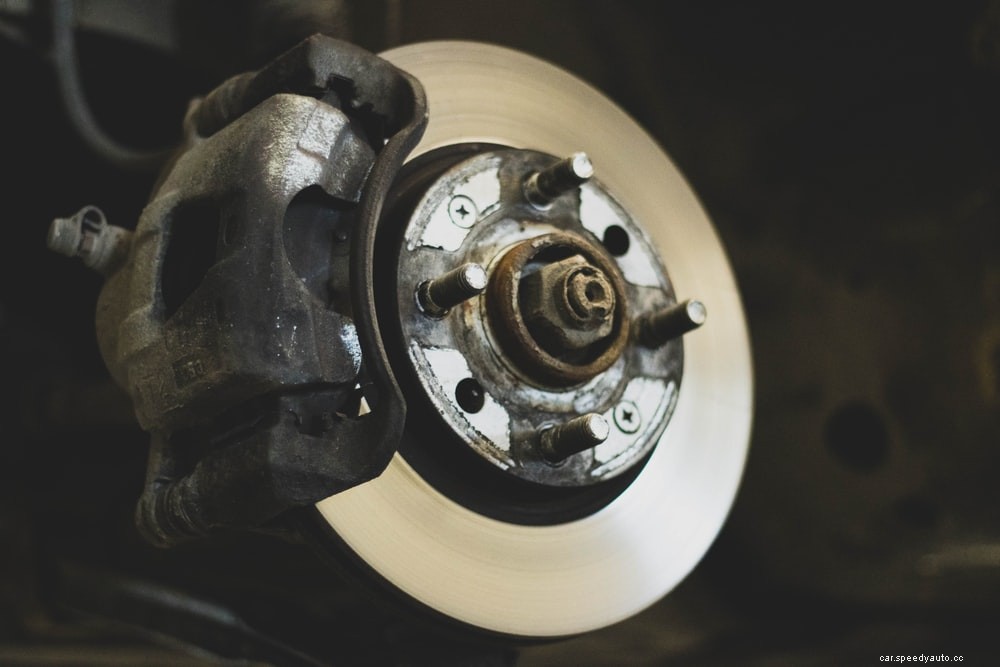
The brakes in your vehicle require constant care and regular maintenance as without them working in top condition you may be left in a seriously dangerous situation.
Brakes have constant exposure when driving so are guaranteed to come into contact with road debris and grime, as well as brake dust. This is the reason using a specifically formulated brake cleaner is the best way to make sure your whole braking system is healthy.
Not only will brake cleaner remove any contaminants from your vehicle, but it can also provide a wealth of other benefits which is why you mustn’t use carb cleaner on your brakes. The formulation of all brake cleaners contains a highly damaging cleaner that is not safe for use on:
Brake cleaners can also be used to remove food and oil stains from clothing that doesn’t have specific careful cleaning instructions. Many people use brake cleaner to remove stains before machine washing and can even benefit from use as a floor cleaner!
Once the majority of a large spill has been cleaned up, brake cleaner can help to remove any leftover oily residue you want to remove.
However for safety reasons, if you can find an alternative that works for you then you may want to steer clear of using brake cleaner for anything other than the intended purpose due to its high flammability and toxicity to the human body.
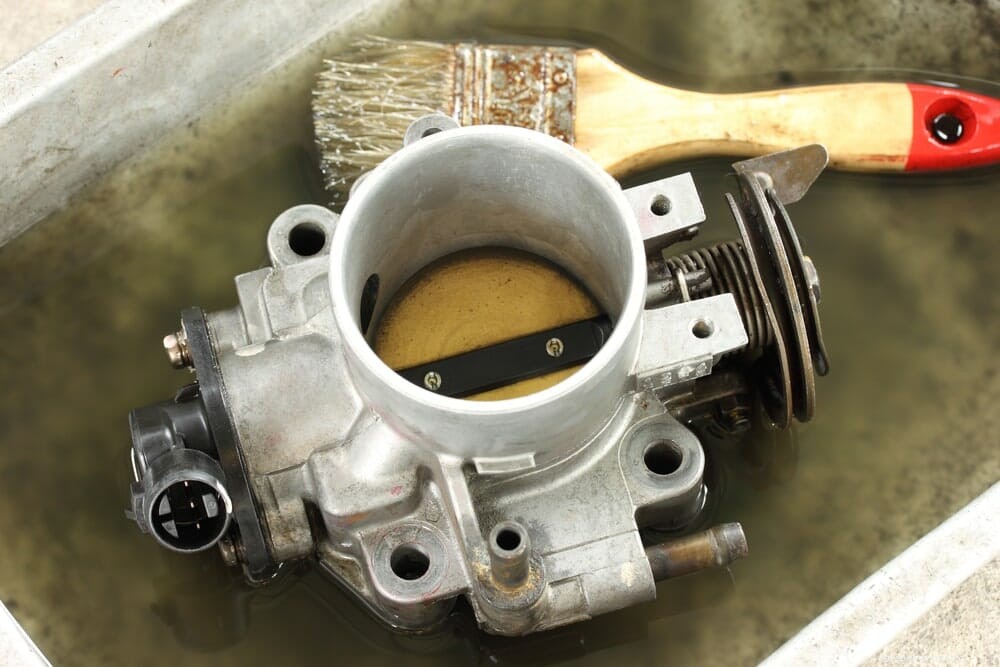
Your carburetor should be cleaned at least twice a year to keep your engine running smoothly and prevent any gunk buildup from damaging your engine.
Your carburetor is responsible for mixing fuel with air in your combustion chamber and is designed to create a highly specific ratio so the combustion process is effective.
You will notice fuel lines attached to it making it easy to locate however, it is important to practice caution when using this product as it is known for peeling paint from vehicles when left exposed.
A lot of newer vehicles now have fuel injection systems meaning carburetors are less common, however, they still require their specific care to prevent damaging the seals, gaskets, and rubber components in your vehicle.
There are some cases in which you can use throttle body cleaner to clean your carburetor but this should only be done when you are positive your carburetor needs cleaning.
Carburetor cleaner can remove clogged debris and dirt deposits that can reduce your engine performance when the fuel and air passages in your carburetor are blocked.
In most cases, carb cleaner is safe to use and less harsh on non-metallic surfaces, and will not damage plastic or rubber.
Unfortunately, WD40 cannot be used as a carburetor cleaner as it is an oil. We recommend you use a spray cleaner as a quick and effective way to clean your carburetor.
Brake cleaner is a highly safe and effective way to remove any unwanted debris from your braking system and the combination of chemicals is designed to work perfectly on your brakes without compromising on safety.
No; WD40 will not clean your brakes and will work as a lubricant on the friction surface of your brake pads that would be highly unsafe and require removal and thoroughly clean. You should not use WD40 on your brakes.
In the car world, so many products can double up as multipurpose products saving you some money along the way.
However, when it comes to the carburetor and brake cleaners, these are highly important aspects of your vehicle that are worth the investment for a specifically tailored cleaner as both these parts have individual needs and some safety issues can arise if cross-contamination occurs.
