
There are a lot of things to consider when you’re thinking about replacing your engine. One of the most important is how it will impact your car’s mileage.
While an engine swap does not reset the mileage on your odometer, it does affect the overall performance of your car.
You should never reset the mileage of your car as it is a federal offense, except in cases where need to set an exact mileage if your odometer didn’t work properly before and was replaced.
In this article, we’ll explore what happens when you do an engine swap and how your odometer works. We’ll also answer some other common questions about this process.
An odometer is a gauge that measures the distance traveled by a vehicle. The device usually consists of three rotating disks, one for each digit in the odometer reading. These disks are mounted on a shaft that rotates at a rate proportional to the speed of the vehicle.
As the disks rotate, they sequentially come into contact with a stationary pointer, which records the number on each disk.
The odometer on most passenger cars and light trucks is located in the instrument panel, just to the right of the steering wheel. It’s an important piece of equipment for drivers, as it can help them keep track of how much road they’ve covered and how much fuel they’ve used.
Odometers also play an important role in the sale and purchase of vehicles, as they can provide evidence of how much a car has been driven.
Odometers have been used in vehicles for over two hundred years. The first patent for an odometer was issued in 1790 to Nicholas-Joseph Cugnot, a French inventor. Cugnot’s odometer was designed to measure the distance traveled by a carriage.
Early versions of the odometer were not very accurate, but they did provide a way to measure distance traveled. In 1847, an improved odometer was patented by William Clayton, an American inventor. Clayton’s odometer was more accurate and could be used on different types of vehicles.
Today, odometers are standard equipment in most vehicles. They are used to record distance traveled for maintenance and insurance purposes. Odometers can also be used to calculate average speed and fuel economy.
Some drivers use the information from their odometer to determine when it is time for a tune-up or an oil change.
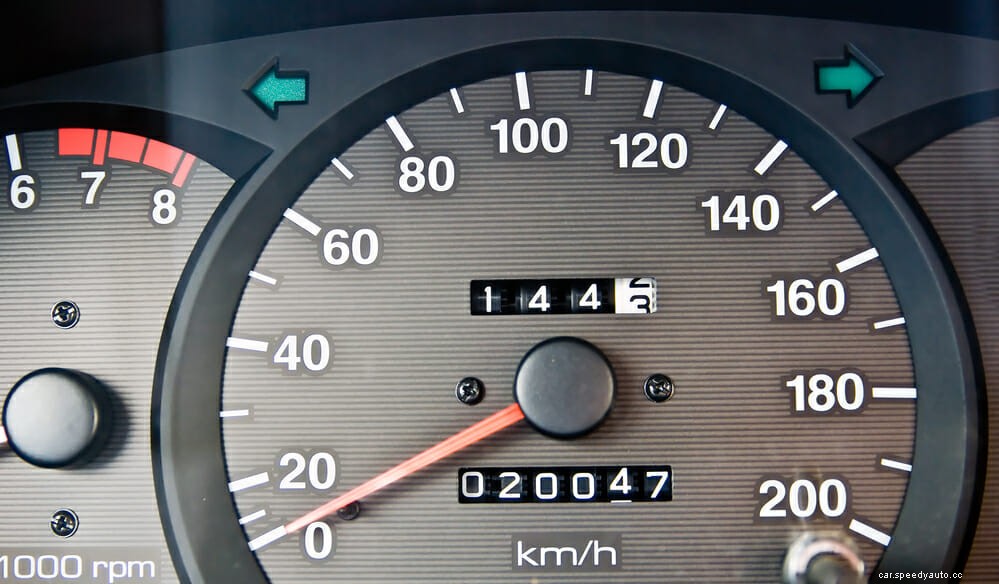
An odometer is a device in a vehicle that measures the distance traveled. It usually consists of three or more rotating disks with teeth, called gears, which interact with one another to measure rotation.
The odometer is connected to the wheel hub so that it rotates along with the wheel. As the wheel turns, the gears rotate and move a pointer on the dial, which records the distance traveled.
The distance traveled is incremented each time a tooth on one of the gears passes by a sensor. Most modern odometers are electronic and rely on sensors to register gear rotation.
There are three ways to read an odometer: directly, by subtracting, or by adding. Directly reading an odometer is pretty straightforward – you just look at the number of digits on the gauge and that’s your mileage.
To read an odometer in subtraction mode, you start with the number on the gauge and subtract it from 10,000 (or whatever the maximum value is on your odometer). This will give you an estimate of how many miles have been driven since the last time it was reset.
To read an odometer in addition mode, you start with the number on the gauge and add it to 10,000 (or whatever the maximum value is on your odometer). This will give you an estimate of how many miles were driven before the last time it was reset.
In most cases, these methods will give you a close approximation of how many miles have been driven. However, if the odometer has been rolled back, these estimates will be inaccurate.
In most cases, it is illegal to reset the mileage on an odometer. This is because tampering with an odometer is a federal offense. The penalties for tampering with an odometer can include fines and imprisonment.
There are a few exceptions to this rule. It is legal to reset the mileage on an odometer if you are changing the miles displayed on the device for personal use only. It is also legal to change the miles displayed on an odometer if you are converting your vehicle from kilometers to miles or vice versa.
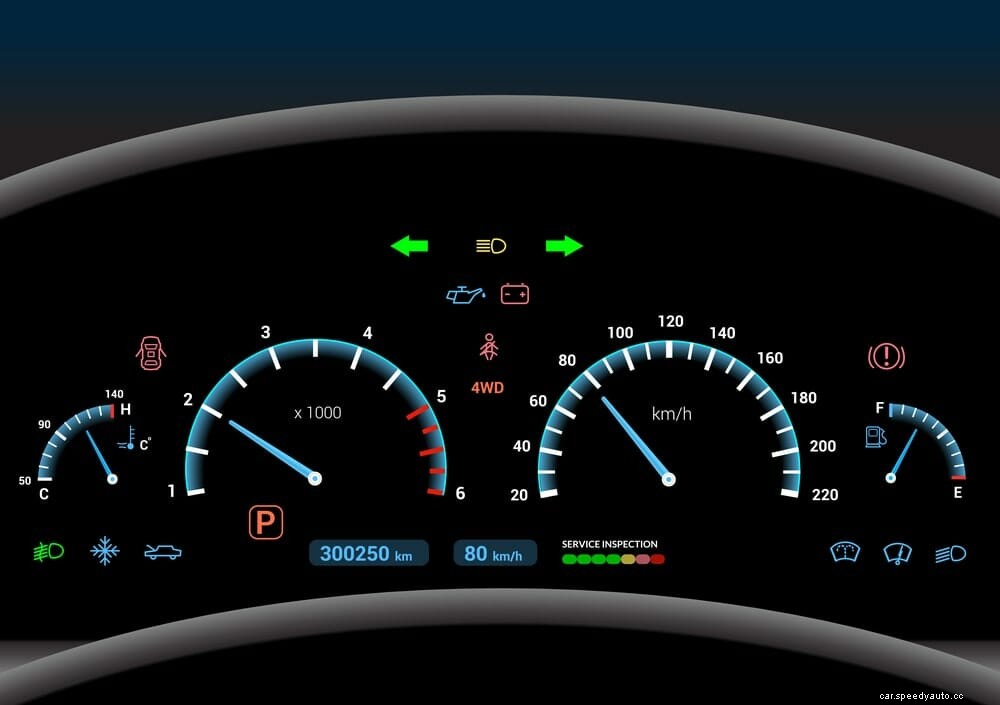
There are a few instances when it is necessary to reset the mileage on your odometer. One instance is when you are selling or purchasing a car. In order to provide accurate information about the car’s history, it is necessary to reset the odometer so that it reflects the correct mileage.
Another instance when you may need to reset your odometer is if it becomes damaged or stops working properly. If your odometer needs to be repaired or replaced, the mileage will need to be reset in order to provide accurate information.
Resetting the mileage on your odometer is a simple process that can be done by almost anyone. However, there are a few instances when it is best to leave this task to a professional. Trying to reset the mileage on your odometer without proper knowledge or training can result in damage to your vehicle.
Odometers are an important part of any vehicle, and they should be treated as such. Resetting the mileage on your odometer should only be done when absolutely necessary. Otherwise, you run the risk of breaking the law.
Always reset the odometer to show the correct miles, not to lower them for a better price!
There are a few ways to tell the mileage of a car. The most accurate way is to look at the odometer and record the number of miles displayed on the device. However, this is not always possible – especially if the odometer has been tampered with or is not working properly.
Another way to estimate the mileage of a car is by looking at its age. Cars that are older tend to have more miles on them than cars that are newer. You can also check for wear and tear on the vehicle to get an idea of how many miles it has been driven.
Finally, you can ask the seller about the mileage of the car. Many sellers will be honest about how many miles their car has been driven. However, some sellers may try to hide the true mileage of the car in order to sell it for a higher price.
Asking a professional mechanic to inspect the car is another way to get an accurate estimate of its mileage. Mechanics are trained to look for signs of wear and tear that can indicate how many miles a car has been driven.
They also use professional diagnostics tools, which are a must-have for any DIY mechanic too!
Keep in mind that there is no foolproof way to tell the mileage of a car. However, by using a combination of these methods, you should be able to get a pretty good idea of how many miles are on the car.
Top ProductThe mileage on the odometer is affected by a number of factors. These include the type of vehicle, the terrain, and the driving habits of the driver.
The type of vehicle can affect mileage because some vehicles are more fuel-efficient than others. The terrain can also affect mileage because driving on highways uses less fuel than driving in stop-and-go traffic. The driving habits of the driver can also affect mileage because aggressive driving uses more fuel than gentle driving.
An engine swap does not reset the mileage on your odometer, but it can have an impact on your car’s overall performance. When you do an engine swap, you are essentially replacing the heart of your car. This will have an effect on the way your car drives and handles.
You may also need to make some changes to your car’s wiring harness and computer system to get everything to work properly. You will also need to update your vehicle’s emissions control system, if applicable.
Engine swaps can be a complicated process, so it is best to leave this job to a professional mechanic. If you try to do an engine swap yourself, you may end up causing more damage than good.
An engine swap affects the way your car drives and handles. You may also need to make some changes to your car’s wiring harness and computer system to get everything to work properly. You will also need to update your vehicle’s emissions control system, if applicable.
Engine swaps can be a complicated process, so it is best to leave this job to a professional mechanic. If you try to do an engine swap yourself, you may end up causing more damage than good.
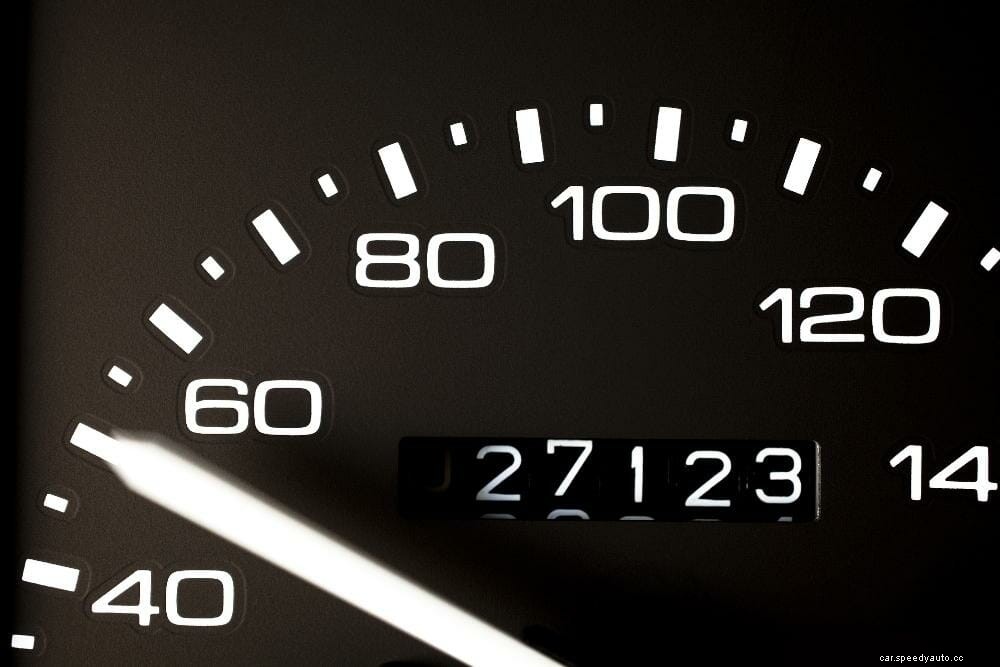
An odometer is meant to last the lifetime of a vehicle. It is not hard to swap one, but it’s quite important that you write the real miles you have traveled.
There are a few things you can look for to determine if an odometer has been rolled back. One is the condition of the odometer itself. If it looks like it’s been tampered with, or if the digits don’t line up correctly, that’s a good indication that it’s been messed with.
You can also check the car’s title and registration records to see if the mileage on them corresponds with the mileage shown on the odometer. If they don’t match, that could be a sign that the odometer has been tampered with.
Finally, you can have the car inspected by a mechanic to see if he or she can tell if the odometer has been altered.
Odometer tampering is a crime in most states, and those caught doing it can face criminal charges. So if you’re thinking about buying a used car, be sure to do your homework and check the odometer readings against other records to make sure they’re accurate.
There is a lot of debate about whether or not driving in reverse lowers your car’s mileage. Some people believe that it does since you’re actually moving the car backward. Others say that it doesn’t make a difference, since the car is still getting the same amount of use.
That was the truth in older vehicles, but most modern vehicles have an electronic odometer that records mileage regardless of which direction the car is moving. So if you’re concerned about preserving your car’s mileage, don’t worry – driving in reverse isn’t going to do much damage.
A trip odometer is a special type of odometer that keeps track of the distance a car has traveled since the last time it was reset. This can be helpful for drivers who want to know how far they’ve driven on a particular trip.
Some trip odometers also keep track of the time elapsed since the last reset, which can be handy for keeping track of how long a particular drive took. To reset a trip odometer, you just have to press a button or flip a switch.
Trip odometers are common in cars, but they can also be found in motorcycles, boats, and other vehicles.
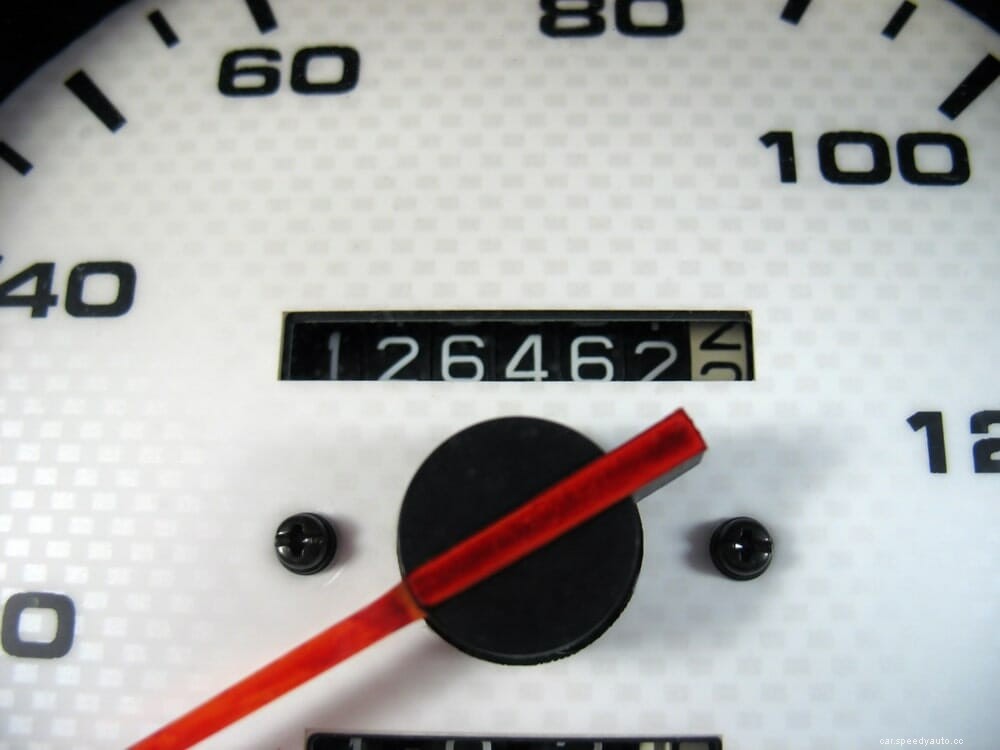
There are a few different ways to reset a trip odometer, depending on the vehicle you’re driving. In most cases, you can do it by pressing a button or flipping a switch.
Some vehicles have a special knob or lever that you use to reset the trip odometer. In most cases, you just have to press a button. If you’re driving a motorcycle, you may have to remove a cap from the trip odometer and turn it to reset the gauge.
In conclusion, an engine swap does not reset the mileage on your odometer. However, it can have an impact on your car’s overall performance. It is best to leave this job to a professional mechanic. Trying to do an engine swap yourself may cause more damage than good.
Always reset the odometer to show the correct miles, not to lower them for a better price!
