
Have you ever been driving and felt your car start to slide? If so, then you have experienced car skidding.
Car skidding is a dangerous situation that can happen when you’re driving. It happens when your car loses traction on the road and starts to slide sideways. This can cause you to lose control of your car and can lead to a serious accident.
In this article, we will discuss what car skidding is, why it happens, and how you can avoid it. Stay safe out there on the roads!
Car skidding occurs when your car’s tires lose traction on the road. This can happen for a number of reasons but typically happens when the road is wet or icy. When this happens, your car will start to slide sideways, and you may lose control of it.
This can be a very dangerous situation, as it can lead to serious accidents. If you’re driving in slippery conditions, it’s important to be aware of the potential for car skidding, and the know-how to avoid it.
There are a few different reasons why car skidding can occur. The most common reason is driving in slippery conditions. This could be due to rain, snow, or ice on the road. If the road is wet or icy, it’s important to drive slowly and carefully.
Another reason car skidding can occur is if you’re driving too fast for the conditions. If the road is slippery, you need to slow down. Speeding in slippery conditions increases your chances of losing control of your car.
Lastly, car skidding can also happen if you make a sudden turn or stop. If you’re turning or stopping quickly, your tires can lose traction and cause your car to slide. So it’s important to turn and stop slowly in slippery conditions.
There are three different types of skidding: braking, turning, and acceleration.
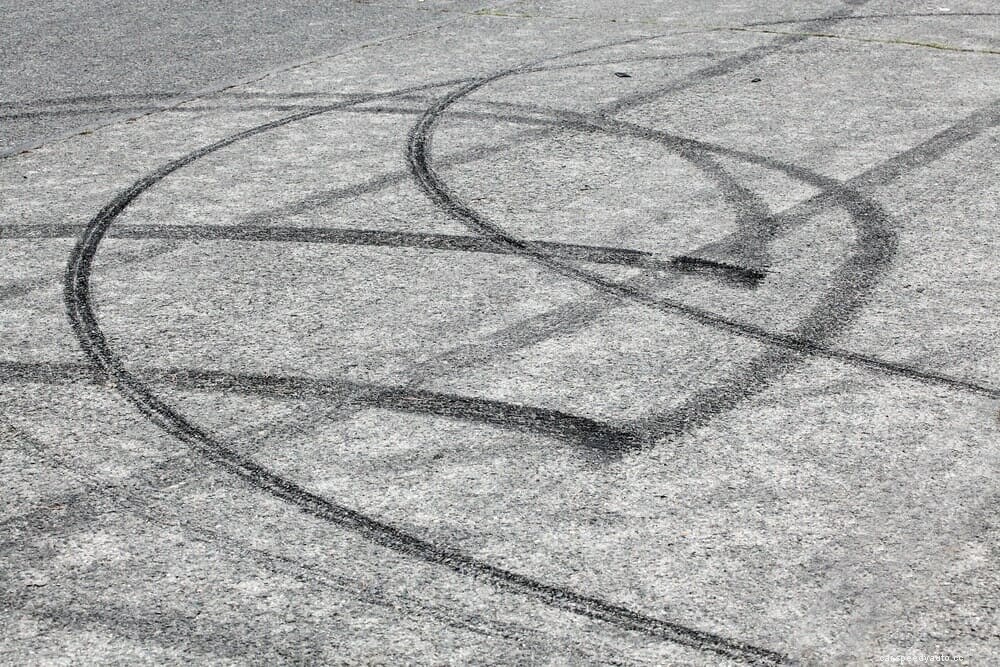
Skidding does not necessarily damage your car. However, if you’re skidding and lose control of your car, there is a chance that you could hit something and damage your car. So it’s important to avoid car skidding at all costs.
Now that we know what car skidding is and why it happens, let’s discuss how to avoid it. The best way to avoid car skidding is to drive slowly and carefully in slippery conditions. If the road is wet or icy, don’t speed up, and take your time when turning or stopping.
Another way to avoid skidding is to make sure your tires are properly inflated. If your tires are over-inflated or under-inflated, it can make them more susceptible to losing traction.
It is important to know how to drive on wet or icy roads. If you are not familiar with the best techniques for driving in these conditions, it can be very dangerous. In fact, more than half of all winter weather-related fatalities occur on icy roads.
If you have to drive in bad weather, follow these tips:
You can find the recommended pressure for your tires in your car’s owner’s manual. If you don’t have a copy of the manual, you can usually find it online. It’s important to make sure your tires are properly inflated so that they have the best chance of staying on the road.
Under-inflated tires can cause a number of problems. They can wear down more quickly, and they can also be more prone to blowouts. Over-inflated tires can also be a problem. They may not be able to grip the road as well, which could lead to a loss of control while driving.
If you’re not sure what the correct pressure is for your tires, it’s best to err on the side of caution and inflate them a little bit higher than recommended. That way, you won’t have to worry about them being too low or too high. It’s also a good idea to check your tire pressure at least once a month, and before long trips.
Tire pressure is an important factor to consider when it comes to your car’s safety. Make sure you’re using the correct pressure for your tires, and that you’re checking the pressure regularly. Doing so can help keep you and your passengers safe on the road.
If you start to skid, don’t panic. Stay calm and focus on the road. Ease off the accelerator, and steer in the direction that you want your car to go. Do not slam on the brakes, as this can cause your car to spin out of control.
If you’re able to regain control of your car, continue driving slowly until you reach a safe place to stop. If you can’t regain control, then pull over safely to the side of the road and stop.
Stay safe out there on the roads by knowing how to avoid car skidding! Drive slowly in slippery conditions, and know what to do if your car starts to slide.
All-season tires are a good option for avoiding car skidding. They provide good traction in both wet and icy conditions. If you live in an area where it snows frequently, then it may be a good idea to invest in winter tires. Winter tires have deeper treads that help them grip the snow and ice better than all-season tires.
The answer to this question is a bit complicated. Technically, you can use winter tires during summer, but it’s not recommended. Winter tires are made for colder temperatures and typically don’t have the same level of grip when used in warmer weather. As a result, using winter tires during summer can increase your risk of getting into an accident.
If you do choose to use winter tires during summer, be sure to switch back to regular tires as soon as the temperature starts to drop again. Failing to do so could result in decreased traction and control while driving, which could lead to accidents.
There are a few exceptions to this rule. If you live in an area with particularly cold winters, using winter tires during summer may be a better option than using regular tires. Additionally, if you’re going on a long road trip and will be driving in a variety of different climates, it may be wise to swap out your tires depending on the temperature.
In general, though, using winter tires during summer is not recommended. Stick with regular tires unless you know for sure that it’s necessary for your area.
There are a few different parts of your car that can be damaged from skidding. The most common type of damage is to the tires. If you skid on pavement, you may end up with flat spots on your tires. These flat spots can cause your tires to vibrate and make noise while driving. Additionally, they can decrease the lifespan of your tires and lead to premature wear.
Another part of your car that can be damaged from skidding is the suspension. Hitting a curb or pothole while skidding can damage your shocks or struts. This damage can cause problems with how your car handles and drives. In extreme cases, it may even lead to an accident.
Finally, skidding can also damage the paint on your car. If you slide into a curb or another object, you may end up with scrapes and scratches on your vehicle’s body. These scratches can be costly to fix, and they can also lower the value of your car if you decide to sell it later on.
Be sure to take care of any damage that occurs as a result of skidding, so you can keep your car in good condition for years to come!
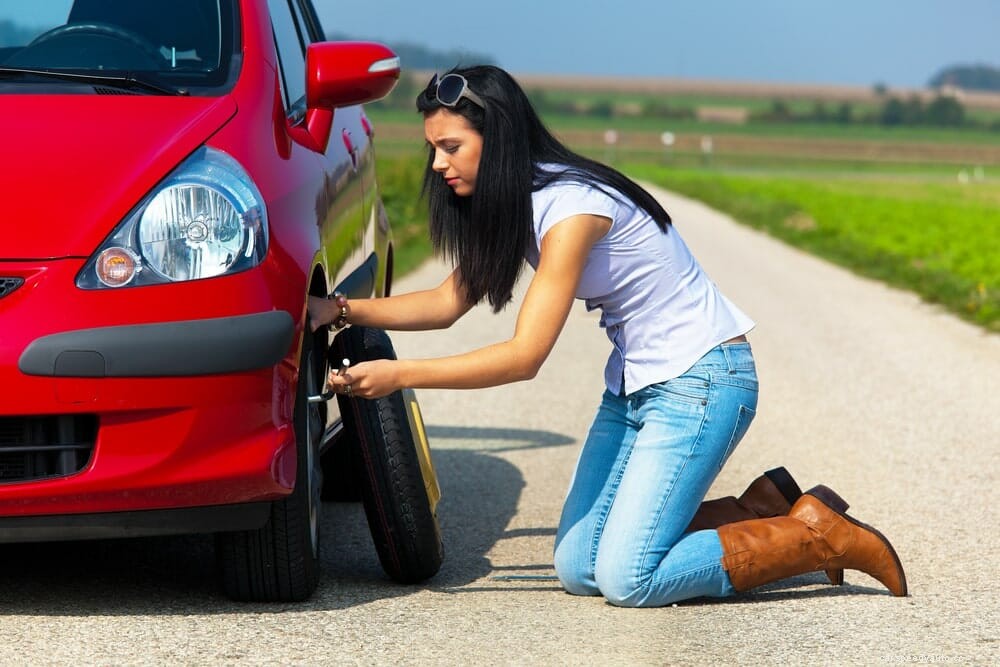
This question can be difficult to answer, as it depends on a variety of different factors. In general, you should replace your tires when they start to show signs of wear and tear. This can include things like bald spots, cracks in the rubber, or deep cuts.
If you drive in a lot of harsh conditions – such as icy roads or heavy traffic – then you may need to replace your tires more often than someone who doesn’t drive in these conditions. Additionally, if you have a sports car or other high-performance vehicle, you’ll likely need to replace your tires more often than the average driver.
The best way to determine when it’s time for new tires is to check the tread depth regularly. You can do this by inserting a penny into the tread. If you can see the top of Lincoln’s head, then it’s time for new tires.
If you’re unsure about when to replace your tires, be sure to consult with a professional. They can help you determine how often you should replace your tires based on your driving habits and the conditions in which you typically drive.
Your suspension does play a role in how susceptible your car is to skidding. If you have a good suspension system, it will be more difficult for your car to lose traction and start skidding. Conversely, if you have a bad suspension system, your car will be more likely to skid.
In addition to the condition of your suspension, the weight of your vehicle also affects how easily it can skid. Heavier vehicles tend to be less affected by surface conditions than lighter vehicles. This is because they have more weight pushing down on the tires, which gives them more grip on the road.
If you’re worried about your car’s susceptibility to skidding, be sure to have your suspension checked regularly by a professional. They can help you identify any problems with your suspension and make the necessary repairs to keep your car safe on the road.
By following these tips, you can help keep yourself and others safe while driving in wet or icy conditions. Make sure to inflate your tires properly, and check the pressure regularly. And most importantly, stay calm if your car starts to skid – you’ll be able to get back on track in no time!
If you start to skid, don’t panic. Stay calm and focus on the road. Ease off the accelerator, and steer in the direction that you want your car to go. Do not slam on the brakes, as this can cause your car to spin out of control.
If you’re able to regain control of your car, continue driving slowly until you reach a safe place to stop.
