
One of the common problems you can expect when you drive a car is the difficulty of switching gears. This is frequently seen when shifting from 1st to 2nd. This type of problem can mostly be seen in automatic vehicles but that doesn’t mean manual vehicles don’t have this problem.
There are numerous possible causes for the question, why does my transmission shift hard from 1st to 2nd. Most issues need to be fixed immediately in order to avoid further damage. While some of these causes can easily be fixed.
The same set of causes isn’t seen in manual and automatic transmissions. Though the basic principles are the same, they both function in two completely different ways.
If you are wondering, why does my transmission shift hard from 1st to 2nd, here are some possible causes to go through?
One of the main causes of transmission lag is the contamination of the transmission oil. If the liquid is clear, you should expect the transfer to be perfect without delay.
If you are having trouble shifting gears, check the gear oil first. Make sure it’s clean. There are many colors in which you might find transmission fluid. Make sure it is the color that was intended by the manufacturing company.
Most transmission fluids are green, bluish, reddish, or yellowish.
A low fluid level in your transmission system can also be dangerous for your car. This may be because the transmission fluid has not been replaced or checked for a long time, or your gasket or seal is leaking. So if you see a consistently low fluid level, it indicates that there is a leak in your transmission.
If the fluid level is low, the transmission system will not be lubricated properly, resulting in rough gear and clutch movement, which could be the answer to your question, why does my transmission shift hard from 1st to 2nd.
The car is now run by computers. Everything is now controlled by a computer that receives a signal and tells your car what to do. But all of these technological advances come with their own set of challenges.
Today, automated vehicles are designed with built-in sensors for various functions. Automatic transmissions are equipped with multiple sensors that assist in gear shifting. This sensor works through signal interaction.
So if there is a problem with your car’s computer system, there may be a problem with the transmission.
A faulty sensor cannot send or receive a signal, interrupting the transmitting process. This problem can cause your vehicle to interfere with the smooth operation of your transmission system.
Since sensors and such are very complex to repair, You should seek the help of a professional who can fix sensor problems and ensure the best performance of your car. Unless you have enough expertise in this area to fix this without any damage.
A fluid leak is a very common cause for transmission shifting hard. Since the transmission system is sealed it needs the transmission fluid to function properly.
So if there is a fluid leak you could experience the transmission shifting hard from gear to gear. Do keep in mind that leaks in a car are very serious problems and if unattended can put your car out of working order.
If you suspect there is a leak, you should first check your pan, gasket, and other parts. Look for evidence that suggests that there might be a transmission fluid leak.
If you notice a puddle under your car you should go to a mechanic to check it out and also check out your gearbox if your transmission is shifting hard.
A transmission vacuum moderator is a free hose installed in your car and there are many of these vacuum hoses that have different functions. The job of the vacuum moderator is to measure the load on your machine.
This function is performed when your transmission puts a lot of pressure on the throttle plate of your combustion cylinder.
Pressure enters the vacuum moderator and shifts the transmission. This helps shift gears smoothly when you get the right amount of pressure.
If one of your vacuum hoses is damaged it will put inappropriate pressure on the modulator and this could be the reason shifting gears from 1st to 2nd is rough.
The torque converter is located between the engine and the transmission. The torque converter transfers power from the engine to the wheels. This component is filled with transmission fluid, so if the transmission fluid is contaminated or low quality it can make the torque converter behave strangely.
But sometimes a malfunctioning or damaged torque converter can behave strangely. Such an event could cause your transmission to slip. If this happens, you need to get your torque converter replaced.
In most automatic cars, the manufacturer connects the switch to the transmission with a cable. The cable is designed in such a way that there must be a correct needle reading for the desired gear. If your transmission cable is broken or damaged, you will have a hard time moving it.
Your transmission shifting hard from 1st to 2nd may be due to a problem with the shifter cable. If it needs to be adjusted or replaced you need to get it done immediately.
You can adjust the cable by loosening the mounting nut and turning the adjusting barrel clockwise to apply more pressure to the transmission solenoid.
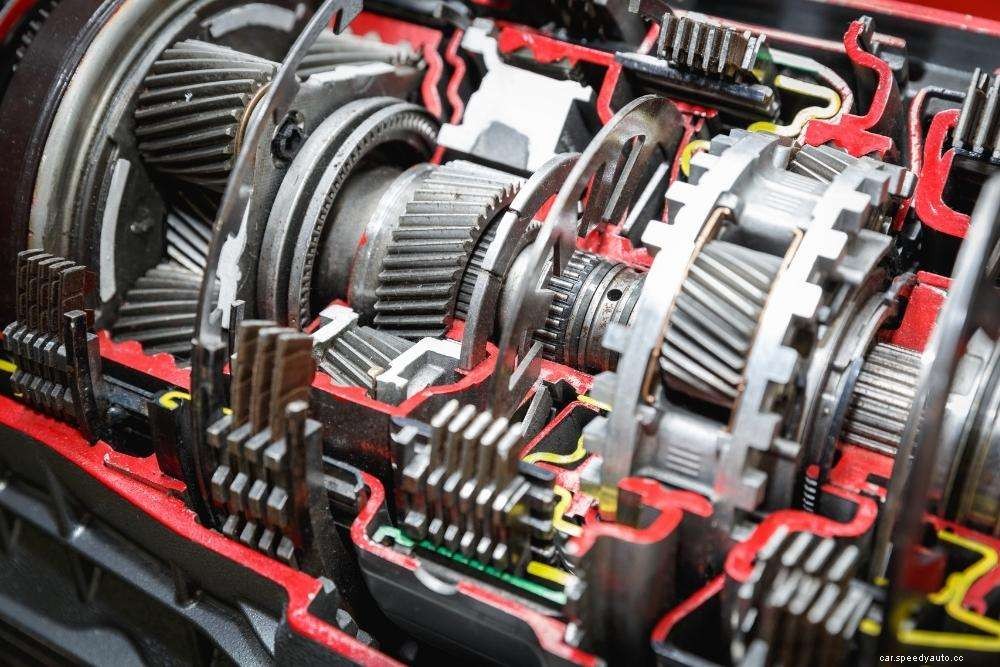
An interesting problem arises if your car is accompanied by an adaptive transmission. The device is intelligent and adjusts gearshifts according to your driving and fluid habits.
This type of transmission has a computer that regulates the engine speed to ensure that it does not exceed the stopping speed of the transmission. If your adaptive gear is not properly calibrated, your computer can make it difficult for you to shift gears.
Automated cars use sensors to monitor and adapt to your driving habits. They check the condition of your transmission oil and driving behavior to match the vehicle’s performance to standard performance.
Changing your driving habits or your transmission fluid adapts your car to its former habits. At this point, you will have a hard time getting from 1st to 2nd gear.
To solve this problem, you need to take your car to a qualified mechanic who will reset the transmission. Again, there is little you can do about this problem unless you are a professional mechanic.
Difficult shifts in cold weather are very common for people living in winter climates. This is because the oil and transmission fluid thicken in colder weather, causing the gears to rub against each other. This can be simply overcome with a good quality synthetic fluid.
Just like an automatic transmission, you can run into the same issue with a manual transmission. Though the problem is similar, the causes might differ. If you own a manual car, and you are asking the question, why is my transmission shifting hard from 1st to 2nd, pay attention?
The role of the clutch system in a vehicle is to turn the power on and off for efficient transmission. When you stomp on the clutch pedal, it transfers pressure to the clutch master cylinder to put the vehicle in neutral and prevent power transfer. This allows manual shifting.
However, if the class release and the master cylinder have a leak or are damaged, this action becomes very difficult. This is because there is a loss of fluid pressure. As a result, you don’t get enough pressure to activate and deactivate the manual transmission.
If you find this to be the case, we recommend that you take your car to a qualified mechanic to fix the problem. Qualified mechanics gain access to breakdowns and recommend the best solutions. It could be to replace the clutch master cylinder or repair a leak.
Over time the gears in your transmission System which work to give you a smoother ride can wear and the gears will become worn out and damaged.
Although these gears are made to last a lifetime hard shifting can be evidence that something is wrong with your gears. To diagnose this you have to take apart the whole transmission and inspect the gears and replace the gears if necessary.
So, before you go through with this, make sure that your transmission is not shifting hard from 1st to 2nd due to a different reason. Transmission rebuilds can be really costly.
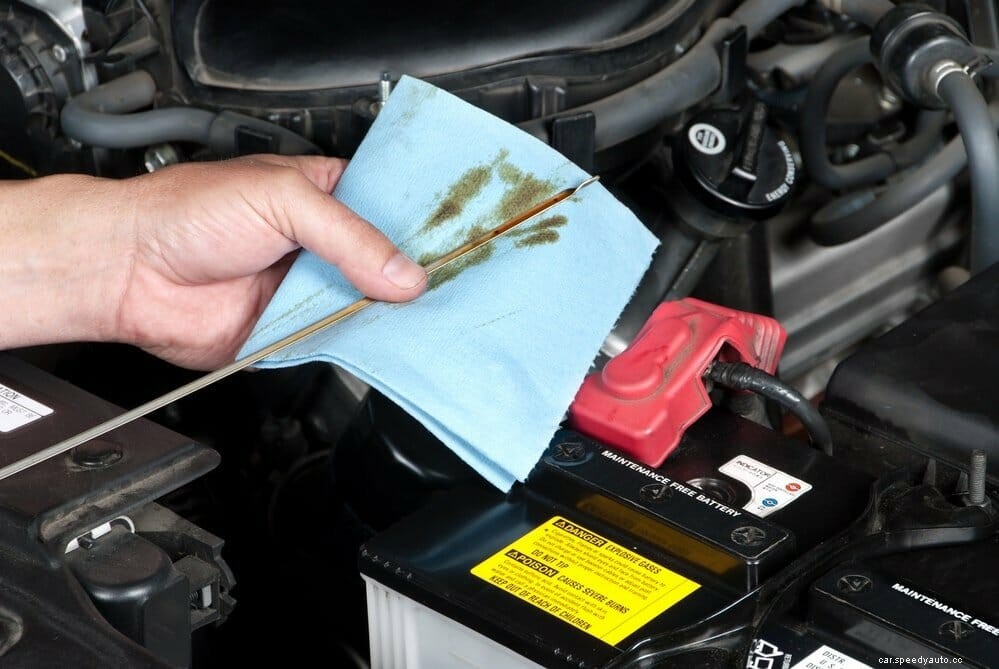
Unlike transmission oil, which is used to lubricate a car’s automatic transmission, gear oil is used to keep the gears and their relative motions turning smoothly. If the gear oil leaks or you haven’t replaced it for a long time, then there will be problems with the transmission.
To solve this problem, you need to change the oil beforehand and use quality gear oil which is effective and long-lasting.
A geared hub is a connection between successive gears that helps move one gear to another. The check ensures that the gear movement of the hub is aligned with the synchronization. If the sleeve is worn, the movement will not be smooth and will cause problems with displacement.
This is another well-known issue. This might be the answer that you are looking for.
Slipping in your manual transmission will cause your vehicle to lose power and the RPM will increase as you try to slow down. This occurs when riders shift into gears that are too low for the resistance they are facing.
The clutch in your vehicle absorbs most of this resistance. If your transmission slips frequently, it means that your clutch needs to be replaced.
The synchronization ring ensures smooth shifting through connection with the hub shell. If there is an error in your sync ring, it will cause different speeds and poor switching.
A damaged synchronizer ring on your manual transmission causes slippage when shifting from 1st to 2nd gear. Therefore, check the condition of the sync rings, if you find that shifting is difficult from time to time.
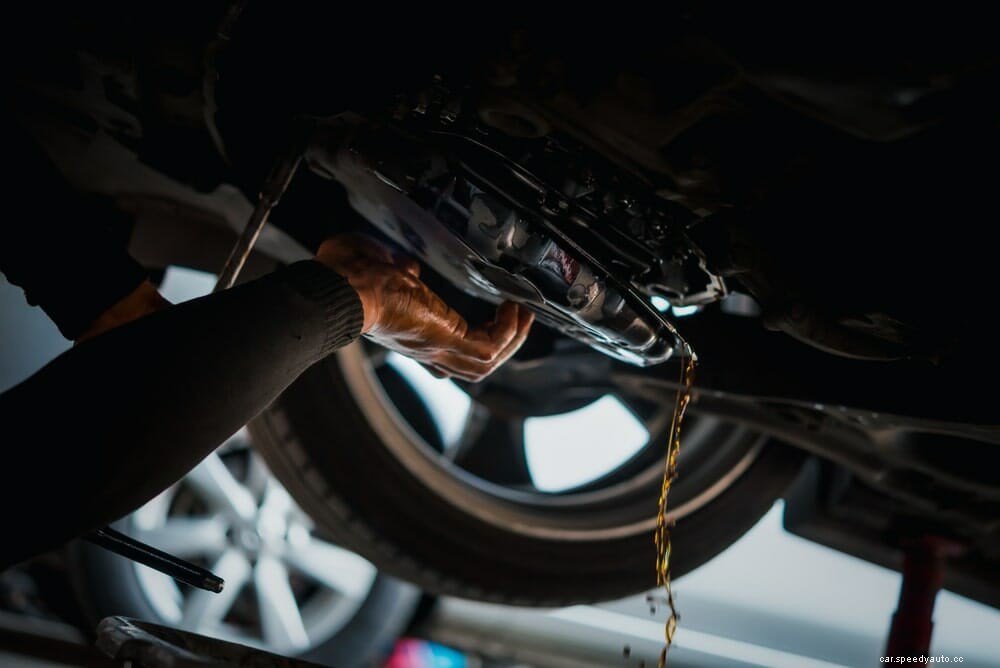
The most common cause of transmission problems such as your car jerking when changing gears from 1st gear to 2nd gear is usually due to low levels of transmission fluid caused by untimely leakages or contaminated transmission fluid.
Half the time, this is what we see in car owners who mention that their transmission shifts hard from 1st to 2nd. When your system has low or contaminated transmission fluid you will need to flush the system, so you can get your car back on the road.
Here’s how you fix your transmission fluid by flushing the transmission.
Lift your bonnet and disconnect the battery’s negative terminal so it is no longer functional and you should always remember when you do any kind of repair in the engine block you need to disconnect the battery so you don’t run into any unwanted situations.
And you should make sure you keep this in mind at all times because safety is a priority.
Next, you should slide under your vehicle and access the transmission fluid lines and remove the output line by removing the screws carefully and using the correct screwdriver types.
You can refer to your vehicle repair guide to check which tube you need to take out, but taking out both of them is alright. One of these two tubes should release the transmission fluid.
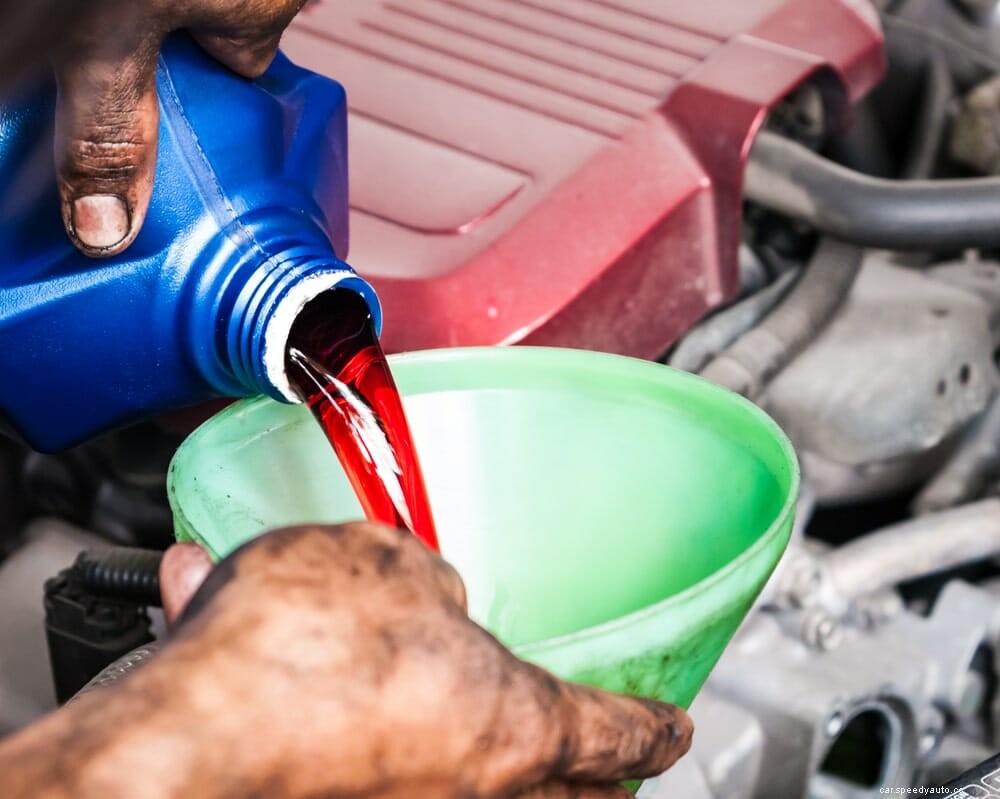
The next step is to open the transmission port of your vehicle and put a funnel in place of the opening. The funnel is to make sure you don’t waste any transmission fluid or spill it all over your engine.
Since you’ve taken the fluid from the system you should fill it back with transmission fluid for the required amount, but before you pour the transmission fluid you should first attach the tubes you took out again or all the fluid is just going to come out.
After you’ve done that you can pour the transmission fluid in.
For this next step, you will need to have an assistant to start the engine while you pour liquid into your system. With the engine running, you will feel the fluid flow from your system while ensuring you continue to add the recommended type of fluid to the system.
This will clean any contaminated or faulty fluids from your system. After rinsing for a while, you need to get the right fluids back into your system.
After you have successfully flushed the system, you can now restart the engine and fill the system to the correct fluid level. Make sure you don’t overfill your transmission.
When you’re ready, take your car for a ride and pay close attention to any unwanted symptoms. If you are facing a complex problem, consider hiring a mechanic to help you start your car.
There are no secrets to making your transmission last longer. Often the cause of transmission failure is neglect and the lack of maintenance.
When we say maintenance, we don’t expect you to dump a few hours on your transmission every weekend. All you have to do is make sure that your transmission fluid is topped up. Never let your transmission run dry.
Having dirty transmission fluid is not going to help either. When it is time to replace your transmission fluid, do not procrastinate. Spend some time and effort to get it done as soon as possible.
Shifting gears too quickly while your car is still moving can cause significant damage to the transmission as it has a rotating clutch which can fail prematurely due to wear from sudden gear changes. Always stop completely before shifting gears.
By stop completely, what we mean is, let go of the accelerator pedal completely. This is only applicable to manual transmissions. In an automatic transmission, this process happens without any human interference. So, you do not need to slam the brakes to get your gears shifted.
Shift delays are often caused by many things, but the most common is poor maintenance or high mileage. In addition to functioning as a coolant, transmission oil also keeps the internal seals lubricated to prevent hardening or wear.
The first thing to do when you see lag is to check the transmission oil.
A typical price range for a transmission flush is $125-$250. Roughly double the price of a fluid replacement due to the additional fluid required (12 to 22 liters instead of 5 to 7 liters) to fully absorb the old fluid replacement. The average value you can expect for full service is $150.
The price depends on several factors, including the make and model of your car, your location, the type of shop you visit, the engine you use, and additional services such as removing tubes and changing filters.
For example, prices at a fast lubricant store will vary from $100 to $200, while retailers will charge from $150 to $300.
Many modern vehicles are equipped with automatic transmissions to quickly shift up and down through various gears while driving. Shifting first and second gears in a manual transmission are very easy but requires practice and precision.
You need to prepare to shift into second gear by raising the engine to about 3000 to 3500 rpm, then fully depressing the clutch pedal and releasing the accelerator pedal.
Changing the transmission oil will help get your system back in working order and is a more economical option. Again, this is a relatively simple task that a vehicle owner can perform.
Flushing the transmission fluid is more expensive, but it replaces all fluids and contaminants that build up in the system.
Removes mud, rubber, and varnish. It also removes harmful deposits and dirty oxidized liquids. New and fresh transmission fluid will reduce the heat transfer inside the transmission. Thus keeping the temperature of the transmission down.
The biggest benefit is that it extends the life of your gearbox, making it less likely to run into premature wear or any other damage.
This is where we end our discussion of rigid gear changes. If you’re having problems shifting gears, chances are your car is experiencing one or more of the problems above. Go to the nearest mechanic store and have it repaired.
Before you go through that, check your transmission fluid. Often that is the culprit. Test the quality of the transmission fluid and the quantity of it. If you live in an area that is constantly affected by freezing temperatures, consider switching to a suitable transmission fluid.
You should be alert and deal with such problems as early as possible. If you don’t deal with this problem in time, you can suffer permanent damage.
Now you know how to solve the issue, and the answer to the question, why does my transmission shift hard from 1st to 2nd. Though some solutions might be easier than you expected, some of these issues require a complete transmission rebuild.
Rebuilding the transmission can prove to hold a hefty price tag.
There is a way to avoid all these issues. Transmissions are meant to last a lifetime. They aren’t supposed to fail prematurely. Often the cause of these issues can be rooted in the lack of maintenance.
As long as you spend some time maintaining your car and transmission, your transmission will serve you faithfully and outlast your car.
