
Wrapping your motorcycle’s exhaust comes with pros and cons, like with anything. Whether you’re a new rider or a seasoned vet, you’ve probably heard of exhaust wraps. You might even know someone who’s wrapped their pipes.
But what are they? What do they do? How much trouble is it to do it yourself? And most importantly, should you bother wrapping your pipes in the first place?
Installing an exhaust wrap on your motorcycle can be a great way to improve its performance. Luckily there are few cons to wrapping your exhaust, and the pros easily outweigh them.
However, there are a few things you need to keep in mind in order to do it safely and correctly.
In this article, we will answer all your questions regarding exhaust heat wraps and more!
An exhaust heat wrap is a material that is wrapped around the exhaust pipes of a vehicle to insulate them and prevent heat from escaping.
This helps to improve the efficiency of the engine by keeping the heat inside the pipes where it can be used to power the vehicle. Wraps are typically made from a variety of materials, including ceramic, metal, or fiberglass.
The way an exhaust heat wrap works is simple. By wrapping the exhaust pipes in a material that doesn’t conduct heat well, you are effectively keeping the heat inside the pipes where it can be used to power the vehicle.
This makes the engine more efficient and can help to improve fuel economy. In addition, by keeping the heat inside the pipes, you are also preventing it from damaging other parts of the motorcycle, such as paint or plastic.
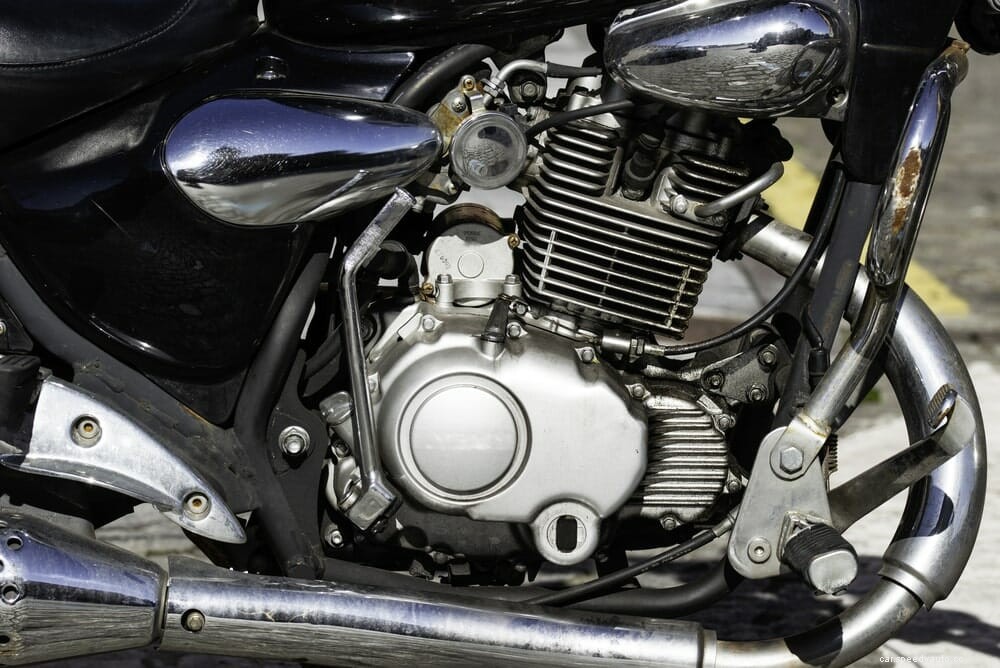
There are a few pros to using an exhaust wrap on your motorcycle. First, as we mentioned, it can help to improve the efficiency of your engine by keeping the heat inside the pipes. This can lead to better fuel economy and more power for your ride.
Another pro is that it can extend the life of your exhaust system by preventing corrosion from exposure to heat and moisture. This is especially true if you live in an area with high humidity, as the moisture can cause rust and other damage to unprotected metal surfaces.
Finally, wrapping your pipes can give your bike a unique look, which can be a definite plus if you’re into customizing your ride.
Of course, there are also a few disadvantages to using an exhaust wrap. The first is that it can make your bike harder to work on. If you ever need to do repairs or maintenance on your exhaust system, you’ll have to remove the wrap first, which can be time-consuming.
In addition, wraps can trap moisture and dirt, which can lead to corrosion and other damage if they’re not cleaned regularly. Finally, wraps will eventually break down and need to be replaced, so they’re not a permanent solution.
One common question about exhaust wraps is whether or not they’re good to use during the winter. The answer is yes and no.
Wrapping your pipes can help to prevent heat from escaping, which can be a good thing in cold weather. However, it’s important to make sure that you don’t trap moisture inside the wrap, as this can lead to corrosion.
If you live in an area with high humidity, it’s probably best to avoid using a wrap during the winter months. Still, you will probably not drive your motorcycle during winter.
A motorcycle exhaust heat wrap is a device that helps to insulate the exhaust pipes of a motorcycle, preventing heat from escaping and thus helping to increase the overall efficiency of the engine. There are a few different types of wraps available on the market, but they all work in essentially the same way.
The most common type of wrap is made from a material called asbestos. Asbestos was once a popular choice for this type of product because it is an excellent insulator and is also very durable.
However, asbestos has since been linked to a number of health problems, including cancer, so it is no longer used in many products. Another type of wrap that is often used is made from fiberglass.
Fiberglass exhaust wraps are a popular choice because they are effective at insulating the pipes and reducing noise. However, they can be difficult to install and may not last as long as other types of wraps.
Kevlar exhaust wraps are extremely strong and durable, making them ideal for covering larger pipes or areas that are subject to high temperatures or wear. However, they can be difficult to install and may be more expensive than other types of wraps.
Ceramic exhaust wraps are designed to withstand high temperatures and last for many years. However, they can be difficult to install and may be more expensive than other types of wraps.
The most common material you will find for exhaust wraps is cotton wraps. Cotton is an excellent insulator and is also very durable. It is also relatively inexpensive, which makes it a good choice for many people.
No matter what type of wrap you choose, the installation process is generally the same.
There are a few different ways to install a motorcycle exhaust heat wrap. The most common method is to simply wrap the material around the pipes and secure it in place with zip ties or similar devices.
Another method is to first attach the wrap to one end of the pipe using tape or another adhesive, and then thread the other end of the pipe through the wrap so that it is completely covered.
Whichever method you choose, make sure that the wrap is secure and will not come loose while you are riding.
In order to install exhaust wraps on a motorcycle by wrapping it around the exhaust, you will need the following supplies:
If you are using a wrap made from asbestos or fiberglass, it is important to be aware of the fact that these materials can be dangerous if they are inhaled.
For this reason, it is best to wear a dust mask or similar device when you are working with them. If you are using ceramic wrap, there is no need to worry about this because the material is not harmful if inhaled.
Once you have installed the wrap, you should take your motorcycle for a test ride to make sure that everything is working properly. Pay attention to the temperature of the engine and the exhaust pipes to make sure that the wrap is doing its job.
If you notice any problems, make sure to remove the wrap and fix the issue before you ride again.
If the wrap is installed incorrectly, it can cause damage to your engine. Make sure that the wrap is not too tight and that there are no gaps or loose areas.
In addition, be sure to check the temperature of the engine and exhaust pipes regularly to make sure that the wrap is not overheating things. If you notice any problems, remove the wrap immediately and fix the issue before riding again.
If your exhaust wrap is made from fiberglass or asbestos, it may emit a foul odor when it is first installed. This is normal and will go away after a few days.
If the smell does not go away, or if you notice any other problems, remove the wrap and inspect it for damage. If you find any damaged areas, replace the wrap with new material.
There is no right or wrong answer to this question. It ultimately comes down to personal preference. Some people like the way that a wrapped exhaust looks, while others find it unnecessary.
It is worth mentioning that the pros outweigh the cons, but it is ultimately up to you to decide whether or not you want to wrap your exhaust.
Cotton exhaust wraps are a popular choice for many motorcycle riders, as they are an effective way to insulate the pipes and reduce noise. However, cotton wraps can be difficult to install and may not last as long as other types of wraps.
If you choose to use cotton exhaust wrap, be sure to follow the installation instructions carefully and inspect the wrap regularly for signs of wear or damage.
Cotton exhaust wraps are not as heat resistant as other types of wraps, so they can be damaged by the exhaust pipe if they are not installed correctly.
Be sure to follow the installation instructions carefully and avoid touching the wrap with your bare hands after it has been heated by the exhaust. If you notice any signs of damage, replace the wrap immediately.
If your motorcycle’s exhaust pipe is too large for standard exhaust wrap, you can purchase wide-width wrap or you can use multiple layers of regular wrap to cover the entire pipe.
Be sure to overlap each layer by about half an inch, and use a lighter to lightly singe the edges of the wrap to seal it in place.
Exhaust wraps are designed to withstand high temperatures and last for many years. However, they can be damaged by the exhaust pipe if they are not installed correctly.
Be sure to follow the installation instructions carefully and inspect the wrap regularly for signs of wear or damage. If you notice any signs of damage, replace the wrap immediately.
You should inspect your exhaust wrap regularly for signs of wear or damage. If you notice any signs of damage, replace the wrap immediately. Depending on the severity of the damage, you may be able to repair small holes or tears with additional wrap or tape.
There are many different types of exhaust wrap on the market, and each has its own advantages and disadvantages. As a general rule, wraps made from fiberglass or asbestos will last longer than other types of wraps.
However, these materials can be difficult to work with and may emit a foul odor when they are first installed. If you choose to use one of these materials, be sure to follow the installation instructions carefully and inspect the wrap regularly for signs of wear or damage.
Old exhaust wraps can be difficult to remove, especially if they are stuck to the exhaust pipe. The best way to remove an old wrap is to use a heat gun or hair dryer to soften the adhesive. Once the adhesive is softened, you should be able to peel the wrap away from the pipe.
If the wrap is still stuck, you can try using a putty knife or other sharp object to gently scrape it off. Be careful not to damage the exhaust pipe when you are removing the wrap.
So, should you do it?
There are definitely pros to wrapping your exhaust. It can help keep the heat in, which can improve performance and fuel economy. It can also protect your engine from excess heat.
However, there are also some cons to consider. Wrapping your exhaust wrong can make it harder for the bike to breathe, which can lead to decreased performance. It can also increase the noise level of your bike.
Ultimately, the decision of whether or not to wrap your exhaust is up to you. As the pros outweigh the cons, we think it’s a no-brain decision. But, make sure to do your research and wrap it correctly if you decide to go ahead!
