
Motorcycles are a popular means of transportation, and as such, they are also commonly used for racing.
In the event that something goes wrong while you’re out on the track, it’s important to know how to disable your motorcycle quickly. This is where a kill switch comes in handy.
While there are two types of motorcycle kill switches (automatic and manual), they both work in the same way. The kill switch is a switch that, when turned off, cuts the flow of electricity to the ignition.
This turns the engine off, which is mostly used in cases of accident. The main difference is that the automatic kill switch turns off as soon the rider falls or the motorcycle tips over, while the manual has to be turned off by the rider.
In this article, we will discuss what a kill switch is, how it works and what you should do if it breaks. We’ll also provide some tips on how to repair it yourself, and when it might be time to change it altogether.
A motorcycle killswitch is a simple device that can save your life in an accident. It’s a switch that you install on your motorcycle that, when activated, will shut off the engine. This prevents working after a fall and may help avoid a fire if your fuel line gets cut.
Most killswitches are handlebar-mounted, so you can reach them easily while riding. Many newer motorcycles have them built-in, but if yours doesn’t, it’s a good idea to add one. You can buy them at most motorcycle shops or online.
Installation is usually pretty simple and just requires splicing into your ignition wires (we’ll cover that later).
There are two types of kill switches: manual and automatic. Both types of kill switches serve the same basic purpose: to shut off the engine in an emergency situation.
However, they work differently. A manual kill switch must be turned off manually, while an automatic kill switch will turn off the engine automatically if the bike tips over or if the rider fall off.
Both types of kill switches can be effective in preventing injuries, but some riders prefer the manual kill switch because they feel that it gives them more control over the situation.
Automatic kill switches are generally considered to be safer, as they provide an extra layer of protection in case of an accident.
When you hit the killswitch, it interrupts the flow of electricity to your ignition system. This tells the engine to stop running, and it will do so almost immediately. The kill switch is usually wired into your ignition switch, so when you turn off the ignition, the kill switch is also activated.
If your motorcycle doesn’t have a kill switch, then the only way to shut off the engine is by cutting the fuel supply or removing the spark plug wires. This can be difficult to do in an emergency situation, which is why a kill switch is such a valuable addition to any motorcycle.
The killswitch is an important safety feature, and it can be a lifesaver in an accident. If you fall off your motorcycle, the last thing you want is for the engine to keep running. Not only will this make it difficult to get up, but it could also start a fire if the fuel line gets cut.
It’s also important to know how to use your killswitch in case of an emergency. If you see flames or smoke coming from your motorcycle, hitting the killswitch will shut off the engine and prevent further damage.
In the event of a motorcycle accident, your first priority should be to get yourself to safety. If you can, move away from the road and out of the path of oncoming traffic.
Once you’re in a safe location, turn off the ignition so that the engine cannot be started again. This will prevent the motorcycle from catching fire or causing further damage.
Then, press the kill switch button or flip the switch. This will cut off the engine’s power supply and stop the engine from running. Before anything, turn off your motorcycle using the killswitch. This will prevent further damage in case of a fire or fuel leak.
Once your motorcycle is turned off, do not attempt to move it until emergency personnel arrives.
After the engine has stopped, you can then assess the situation and take appropriate action. Check yourself and others for any injuries before calling an ambulance.
If you cannot reach the killswitch or if it’s broken, then try to cut the fuel supply by disconnecting the fuel line at the tank. This will shut off the engine and prevent a fire from starting.
If your killswitch is not working properly, there are a few things you can look for. For example, the engine may not turn off when you use the killswitch. Or, the engine may turn off but then turn back on again after a few seconds.
Another symptom of a bad killswitch is that it may be difficult to turn off the engine. This is because the switch may be stuck in the “on” position. If this happens, you should replace the switch as soon as possible.
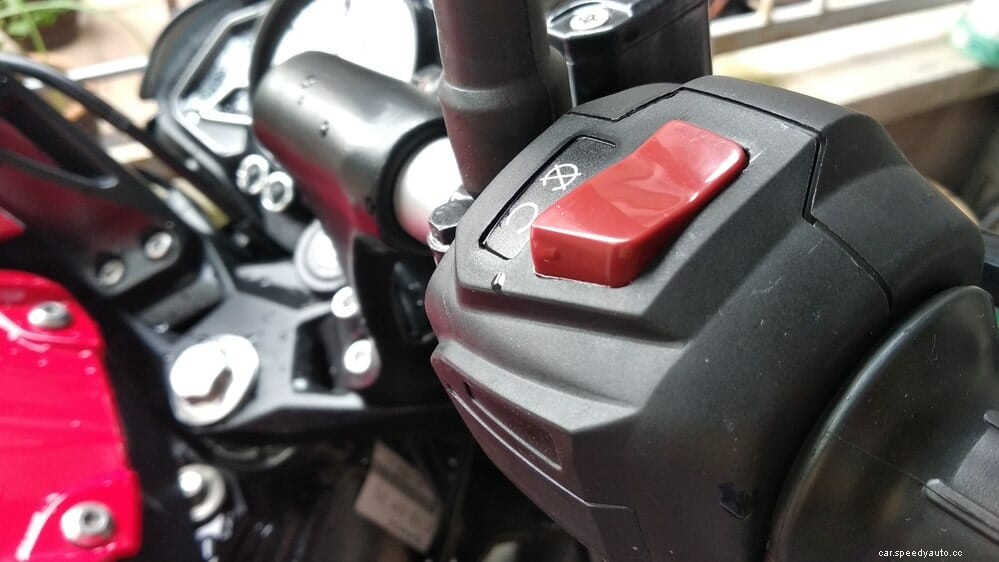
A broken killswitch can be a serious safety hazard, so it’s important to know how to fix it. If your killswitch is broken, you can usually replace it with a new one. However, if you’re comfortable working with electrical wires, you can also try to repair them.
A broken killswitch can be a serious safety hazard, so it’s important to know how to fix it. If your killswitch is broken, you can usually replace it with a new one.
However, if you’re comfortable working with electrical wires, you may be able to splice the wires back together and repair the existing switch.
If you decide to replace the killswitch, start by disconnecting the battery. This will prevent any electrical shock while you’re working on the motorcycle. Once the battery is disconnected, remove the old killswitch and install the new one in its place.
Follow the instructions that came with your new switch, or consult a professional if you’re unsure of how to proceed.
If your motorcycle killswitch is not working properly, it is important to replace it as soon as possible. A killswitch is a safety device that cuts off the engine in case of an accident. This can prevent serious injuries or even death. Here is a step-by-step guide on how to replace a motorcycle killswitch.
If you have any questions about how to replace a motorcycle killswitch, please consult a qualified mechanic.
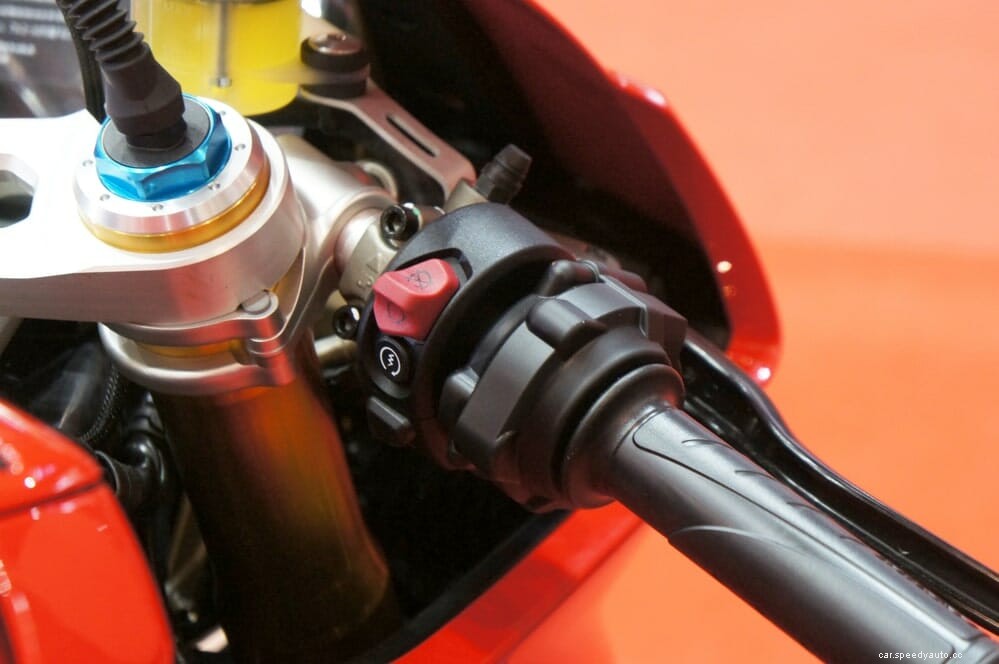
When most people think of a kill switch, they think of something that is used to shut off an engine in an emergency. However, a motorcycle kill switch can actually be a very useful tool for preventing accidents and injuries.
Here is a detailed guide on how does a motorcycle killswitch work.
The first thing you need to do is find the right location for the kill switch. It should be easily accessible so that you can reach it quickly if necessary.
There are two main types of kill switches: handlebar-mounted and frame-mounted. Handlebar-mounted switches are more convenient to use but they can also be more difficult to install. Frame-mounted switches are easier to install but they may not be as easy to reach in an emergency.
Once you have decided on the type of switch you want, you need to install it. If you are installing a handlebar-mounted switch, you will need to remove the handgrips first. Then, mount the switch using the provided hardware.
Make sure that the switch is securely in place before replacing the handgrips.
If you are installing a frame-mounted switch, you will need to drill a hole in the frame. The size of the hole will depend on the size of the switch. Once the hole is drilled, mount the switch using the provided hardware.
Make sure that the switch is flush with the frame so that it cannot be accidentally activated.
Now that the kill switch is installed, you need to know how to use it. In most cases, the kill switch is activated by pressing a button or flipping a switch. When the kill switch is activated, it will cut off the engine’s power supply, which will stop the engine from running.
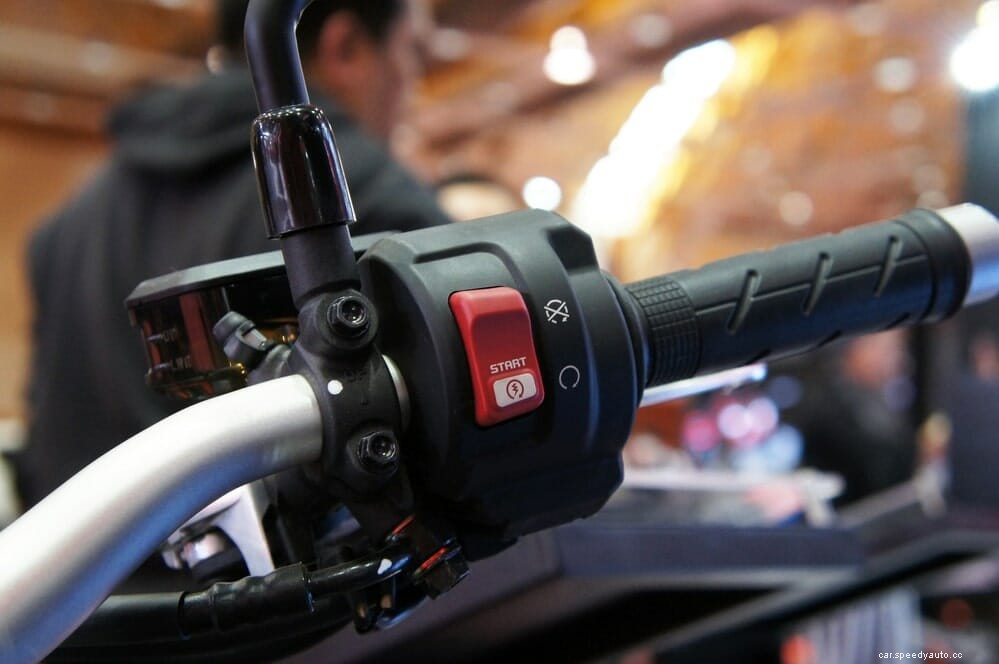
There are other methods to turn off your motorcycle engine besides using the killswitch. For example, you can remove the key from the ignition. However, this should only be done if the engine is not running. If the engine is running, removing the key will cause it to stall and may damage the engine.
The recommended method is to turn the key, which works just like using a killswitch.
Another method is to disconnect the battery terminal. This will prevent electrical current from reaching the spark plugs, which will shut off the engine. However, this should only be done if you’re comfortable working with electrical wires.
The best way to turn off your motorcycle engine in an emergency is to use the killswitch. This will immediately cut off power to the engine and prevent further damage.
Yes, you can repair a killswitch. However, it is recommended that you replace it if it is damaged.
When replacing the killswitch, make sure you get one that’s compatible with your motorcycle. If you’re not sure which one to get, ask a mechanic or the staff at your local motorcycle shop.
It’s also a good idea to test your kill switch regularly to make sure it’s working properly. The best way to do this is to turn on the engine and then push the button or flip the switch. If the engine shuts off, then the kill switch is working correctly.
If your killswitch is broken, you should replace it as soon as possible. A broken killswitch can be dangerous and may cause your engine to stall unexpectedly.
You should change your killswitch every few years or if it becomes damaged.
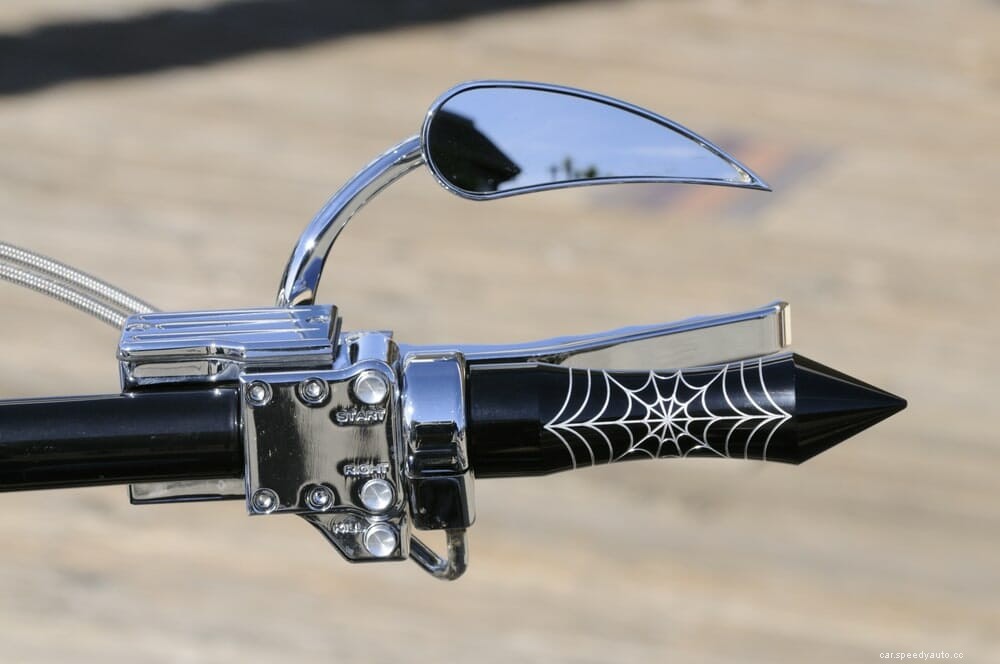
A motorcycle killswitch typically costs between $20 and $30.
A killswitch should last for several years. However, it is a good idea to check it regularly and replace it if it becomes damaged.
If you don’t use a killswitch, your engine may stall unexpectedly or may not shut off in an accident. This can be dangerous and may cause further damage to your motorcycle.
A kill switch is a simple but essential piece of safety equipment for any motorcycle. It’s a switch that, when activated, will shut off the engine to prevent further damage in an accident. There are two types of kill switches: manual and automatic.
A manual kill switch must be turned off manually, while an automatic kill switch will turn off the engine automatically if the bike tips over or if the rider fall off.
When you turn on the killswitch, power is cut to your ignition system. The engine shuts down rapidly as a result of this. When you switch off the key, the kill switch is also turned on.
