
If you’re like most drivers, you probably don’t think about your wheel bearings until they start making noise. And by then, it’s often too late and the bearings need to be replaced.
Wheel bearings last around 50,000 miles, depending on the road you’re driving, the make of the bearings, and the general condition of your suspension and wheels.
Bearings can last longer or shorter depending on how well they’re lubricated. If you rarely clean and lubricate your bearings, they’ll wear out sooner.
In this article, we’ll explain what wheel bearings are, what they do, and how long they typically last. We’ll also answer some common questions about wheel bearings.
A wheel bearing is a type of bearing that allows the wheel to rotate freely around the axle. There are two types of wheel bearings: ball bearings and roller bearings. Ball bearings have a series of balls that rotate between two races, while roller bearings have a series of rollers that rotate between two races.
The purpose of a wheel bearing is to reduce friction and wear between the wheel and the axle. Without a wheel bearing, the metal-on-metal contact would cause severe wear and tear on both components.
Wheel bearings also help to ensure that the wheel rotates smoothly and quietly.
Most modern vehicles use roller bearings rather than ball bearings because they are more durable and require less maintenance. However, some vehicles still use ball bearings because they offer greater performance and are more resistant to shock and vibration.
Your wheel bearings play an important role in your car’s safety and performance. They help to keep the wheels aligned properly, which is crucial for good handling and braking. They also help to reduce road noise and vibrations.
If your vehicle is experiencing excessive noise or vibration, it is likely that one or more of your wheel bearings need to be replaced.
Wheel bearings can be replaced relatively easily with the right tools, but it is important to be aware of the potential dangers involved in performing this procedure. Always consult a professional before attempting to replace a wheel bearing.
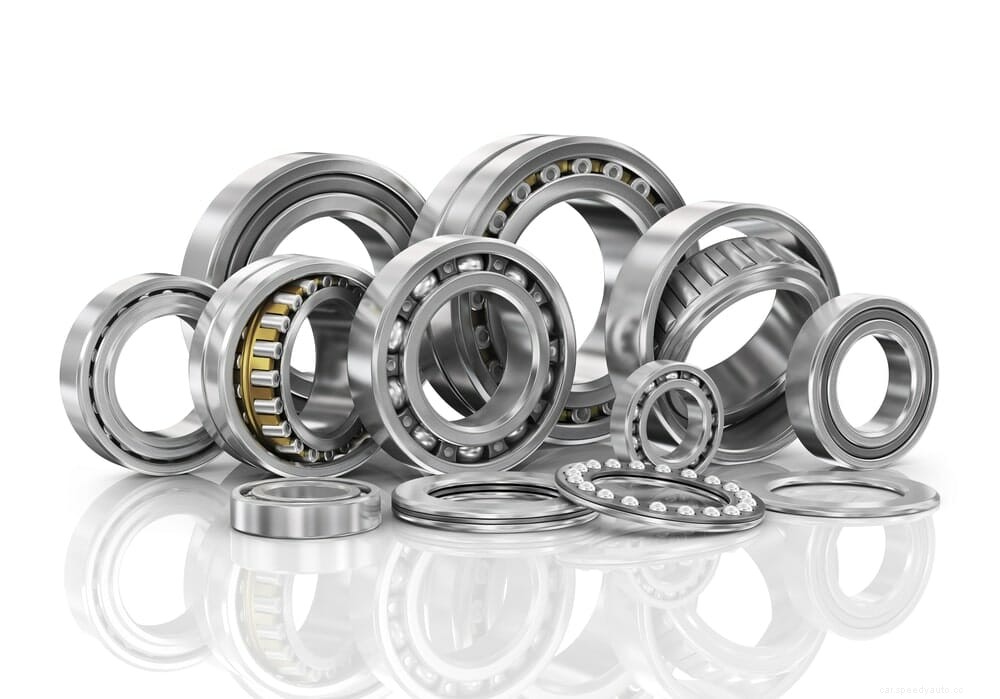
The life of a wheel bearing depends on a number of factors, including the type of bearing, driving habits, and road conditions. However, most bearings should last for around 50,000 miles before needing to be replaced.
It is important to keep an eye on them and replace them when necessary, as improper function can cause damage to the car and lead to costly repairs.
There are a few common symptoms of bad wheel bearings, which include noise, vibration, and poor steering.
One of the most common symptoms of bad wheel bearings is noise. If you hear a loud humming or clicking noise when you drive, it is likely that your bearings are in need of replacement.
Another common symptom of bad wheel bearings is vibration. If you feel a shaking or rattling sensation when you drive, it could be because of defective bearings.
When wheel bearings are not functioning properly, it can also cause problems with the steering. If your car starts to drift to one side or the other, it could be an indication that the bearings need to be replaced.
If you are experiencing any of these symptoms, it is best to take your car to a mechanic for inspection. By catching any problems early on, you can save yourself from costly repairs down the road.
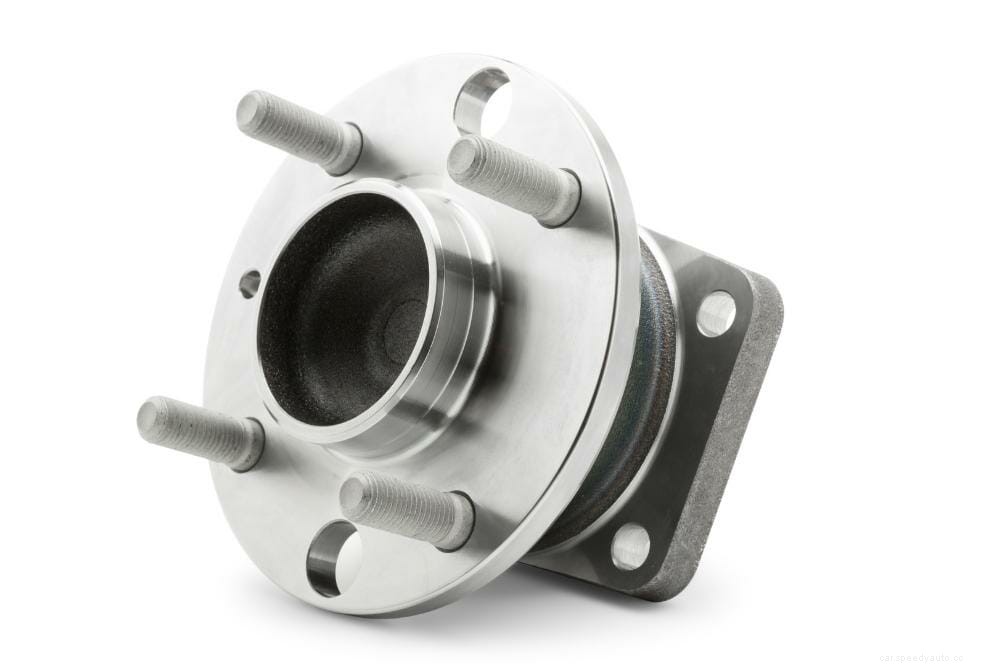
The wheel bearing is located in the hub of the wheel. The hub is a metal component that attaches to the axle and houses the bearings. It is typically located near the middle of the wheel, between the spokes.
If you are unsure whether or not your wheel bearings need to be replaced, there are a few things you can do to inspect them yourself. One of the easiest ways to check is to give the wheel a spin. If it spins freely and without any noise or vibration, the bearings are likely in good condition.
You can also check for excessive play on the wheel. To do this, grab the top and bottom of the tire and try to move it up and down and side-to-side. If there is significant play in the wheel, it is likely that the bearings need to be replaced.
Another way to inspect your bearings is to take them out of the car and examine them closely. Look for signs of wear or damage, and make sure that the bearings are properly lubricated.
If you are uncomfortable performing any of these inspections yourself, it is best to take your car to a mechanic for a thorough inspection.
Replacing a wheel bearing can be a daunting task, but with the right tools and instructions, it can be done relatively easily. Here is a detailed guide on how to remove a wheel bearing:
By following these instructions, you can replace a wheel bearing on your own without any difficulty. If you are not comfortable performing this task yourself, it is best to take your car to a professional.
There are a few things that you can do to help your wheel bearings last longer. Here is a detailed guide on how to extend the life of your wheel bearings:
By following these tips, you can help your wheel bearings last longer and prevent costly repairs.
There are a few different types of lubricants that can be used to lubricate wheel bearings. Here is a brief overview of the most common types:
Grease is the most common type of lubricant for wheel bearings. It is thick and sticky, and it coats the bearing to protect it from wear and tear.
Oil is thinner than grease, and it does not cling to the bearing as well as grease does. However, oil is a good choice for bearings that run hot or those that are exposed to water.
WD-40 is a spray lubricant that dissolves dirt and moisture. It is not recommended for use on wheel bearings, but it can be used as a temporary fix in a pinch.
By understanding the different types of lubricants, you can choose the one that is best suited for your needs. Whichever type you choose, make sure to apply it liberally to the wheel bearings and keep them well-lubricated at all times.
Lubricating a wheel bearing is a simple process that only takes a few minutes. Here is how to do it:
By following these steps, you can properly lubricate your wheel bearings in just a few minutes. Make sure to lubricate them regularly to keep them in good condition.
When looking to buy a new wheel bearing for your car, there are a few things that you need to take into consideration. Here is a guide on how to buy the right wheel bearing:
When choosing a new wheel bearing for your car, make sure to keep these tips in mind. By selecting the right bearing, you can ensure a smooth and safe ride for you and your passengers.
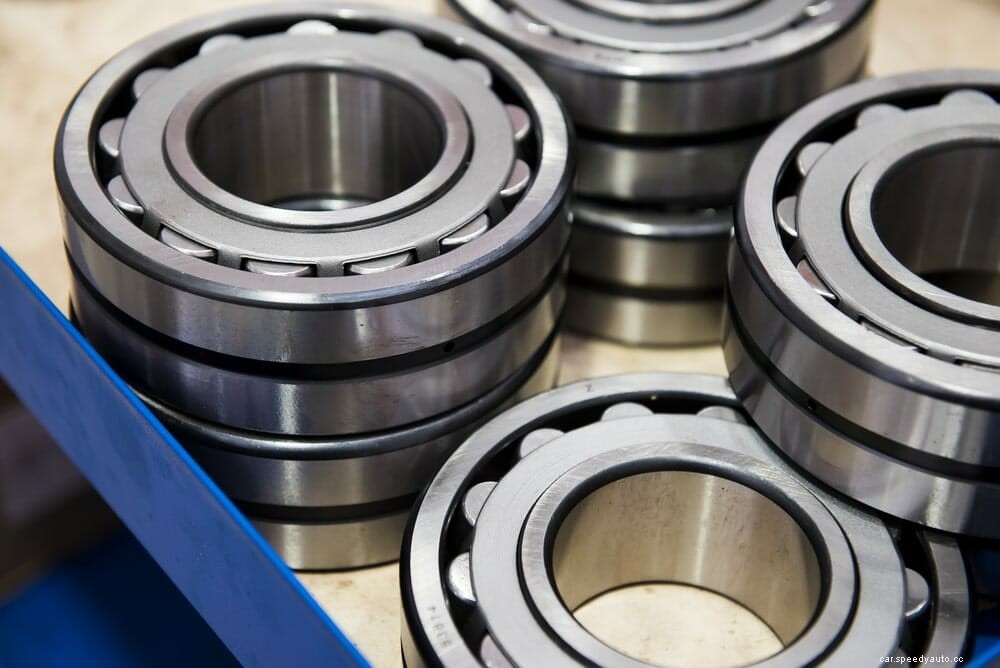
A bad wheel bearing can cause a lot of damage to your car. Here are some of the problems that can occur:
If you experience any of these symptoms, it is likely that your wheel bearings are bad and need to be replaced. By not fixing the problem, you could end up causing more damage to your car which will cost more money in the long run.
The lifespan of a wheel hub can vary depending on the make and model of your car. Most hubs will last for around 50 000 to 100 000 miles before needing to be replaced. However, this can vary depending on the type of driving you to do.
If you drive your car hard or make a lot of long trips, the hub will wear out faster. By keeping up with regular maintenance, you can help prolong the life of your wheel hubs.
Wheel bearings normally don’t go bad often before 50,000 miles. If you drive under severe conditions a lot, it’s possible for them to go bad every 30 000 miles. I’ve seen cars with damaged wheel bearings that had only done around 20,000 miles. It just depends.
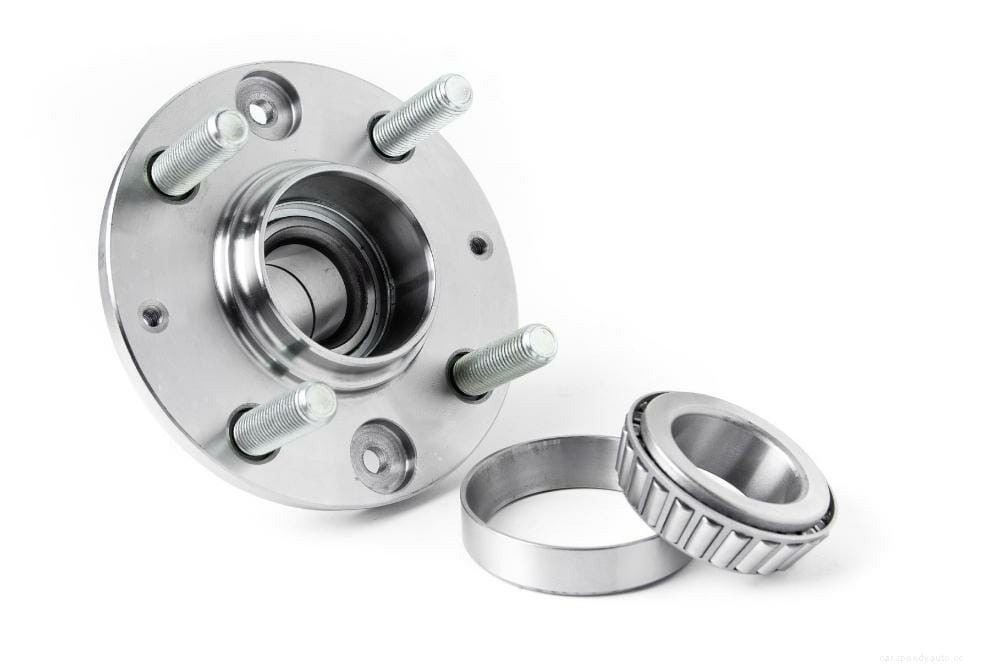
A typical wheel bearing lasts around 50 000 miles, depending on the lubrication level and on which condition it drives. If you hear some weird noises coming from your wheels, it could mean a wheel bearing needs to be replaced.
Replacing a wheel bearing can be a difficult task, but it is not impossible. By following these instructions, you can do it yourself without any difficulty. If you are not comfortable performing this task, it is best to take your car to a professional.
There are a few things that you can do to help your wheel bearings last longer. By following these tips, you can extend the life of your wheel bearings and avoid costly repairs.
Lubricating a wheel bearing is a simple process that only takes a few minutes. By following these steps, you can properly lubricate your wheel bearings in just a few minutes. Make sure to lubricate them regularly to keep them in good condition.
