
When it comes time for an oil change, you have a few options. You can take your car to a mechanic, or you can do it yourself. If you’re feeling brave, you might even try to change the oil yourself using one of those “change your own oil” kits.
But what if we told you that there was another option? What if you could bring your own oil for an oil change? It may sound crazy, but it’s actually a thing.
In this blog post, we will discuss the pros and cons of bringing your own oil for an oil change. We’ll also give you some tips on how to make sure the process goes as smoothly as possible.
You can bring your own oil for an oil change. However, you need to make sure that the oil is the right oil for your car and that you have enough oil to complete the job.
If you can’t find the right type of oil or if you don’t have enough, you may need to take your car to a mechanic or have the oil change service supply it for you for a charge.
There are a few reasons why you might consider bringing your own oil for an oil change. Below are some of the most common reasons:
There are times when bringing your own oil for an oil change can be cheaper than taking your car to a mechanic. This is especially true if you have a car that requires a specialized type of oil. For example, many luxury cars require synthetic oil, which can be expensive at a mechanic’s shop.
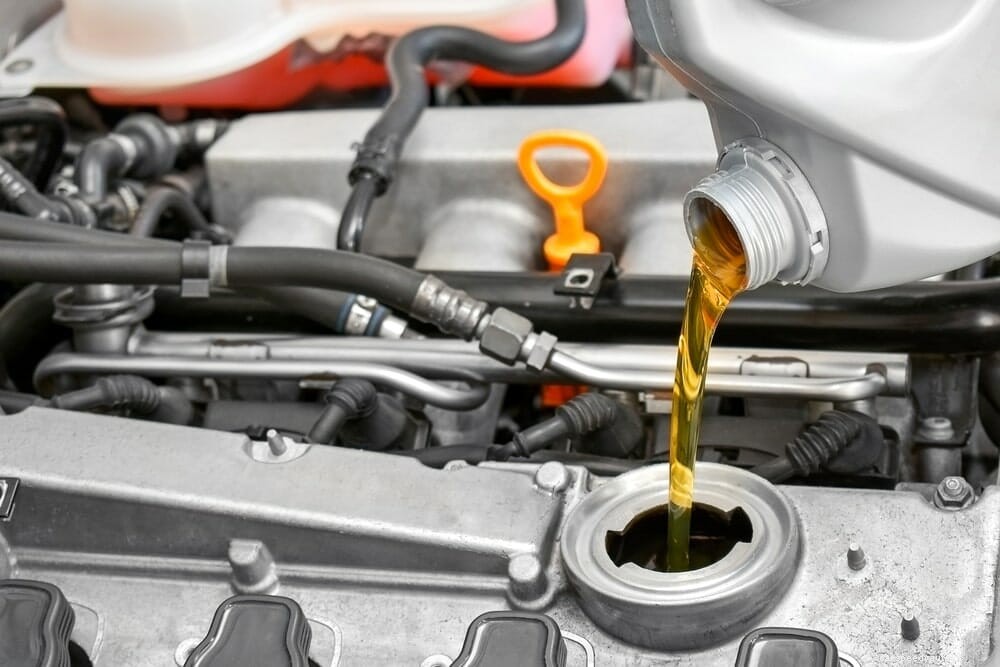
When you take your car to a mechanic for an oil change, you’re relying on them to use the right type of oil and to dispose of the old oil properly. By bringing your own oil, you can be sure that you know exactly what’s going into your car.
You also don’t have to worry about the old oil being disposed of properly.
When you take your car to a mechanic for an oil change, you’re handing over control of the process to someone else. By bringing your own oil, you can be sure that everything is done the way you want it done.
Changing your own oil is a great way to learn more about car maintenance. It’s a relatively easy process, and it can help you understand the inner workings of your car.
Some people choose to bring their own oil for an oil change because they don’t trust mechanics. While there are certainly some bad apples in the bunch, the majority of mechanics are honest and reliable.
However, if you’ve had a bad experience with a mechanic in the past, bringing your own oil may be the best option for you.
No, you usually don’t need to bring your own oil for an oil change. Most dealerships, oil change services, and mechanics will be able to supply the correct oil for your vehicle. However, there are a few things to keep in mind if you decide to bring your own oil for an oil change:
When you can’t find the right type of oil or if you don’t have enough oil to complete the job, you may have to take your car to a mechanic.
There are three main types of oils: conventional, synthetic, and blend. Each type of oil has its own set of pros and cons.
Conventional oil is the most common type of oil. It’s made from a blend of natural and artificial chemicals, and it’s the cheapest type of oil available. However, conventional oil doesn’t offer the same level of protection as synthetic or blended oils.
Synthetic oil is made from man-made chemicals, and it offers the best protection against wear and tear. However, synthetic oil is more expensive than conventional or blended oils.
Blend oil is a mix of synthetic and conventional oils. It offers a good balance of protection and affordability.
The types of oil you use depends on a number of factors such as the age of your car, the type of engine, and the climate you live in. Talk to your mechanic to find out which type of oil is best for your car.
Note that the climate you live in also affects the type of oil you should use. If you live in a hot climate, you’ll need to use a type of oil that can withstand high temperatures.
In case you live in a cold climate, you’ll need to use a type of oil that can withstand low temperatures. Similarly, the age of your car also affects the type of oil you should use. Older cars may need a type of oil that is more forgiving to wear and tear.
The answer to this question depends on a number of factors, including the type of oil you use and the age of your car. However, most mechanics recommend changing your oil every 3000-5000 miles.
You should also change your oil every six months or so, even if you haven’t driven that many miles. This is because the oil can become contaminated over time, and it’s important to replace it regularly.
There are a few reasons why you should do your own oil change. Doing your own oil change is a relatively easy process, and it’s a great way to learn more about car maintenance. It can also help you save money in the long run.
On the flip side, there are a few reasons why you shouldn’t change your own oil. If you don’t have the proper tools or knowledge, changing your own oil can be difficult and dangerous. Additionally, if you don’t do it properly, you could damage your car’s engine.
The cost of an oil change varies depending on the type of oil you use and the mechanic you go to. However, most mechanics charge between $25 and $50 for an oil change. You can usually save money by doing your own oil change.
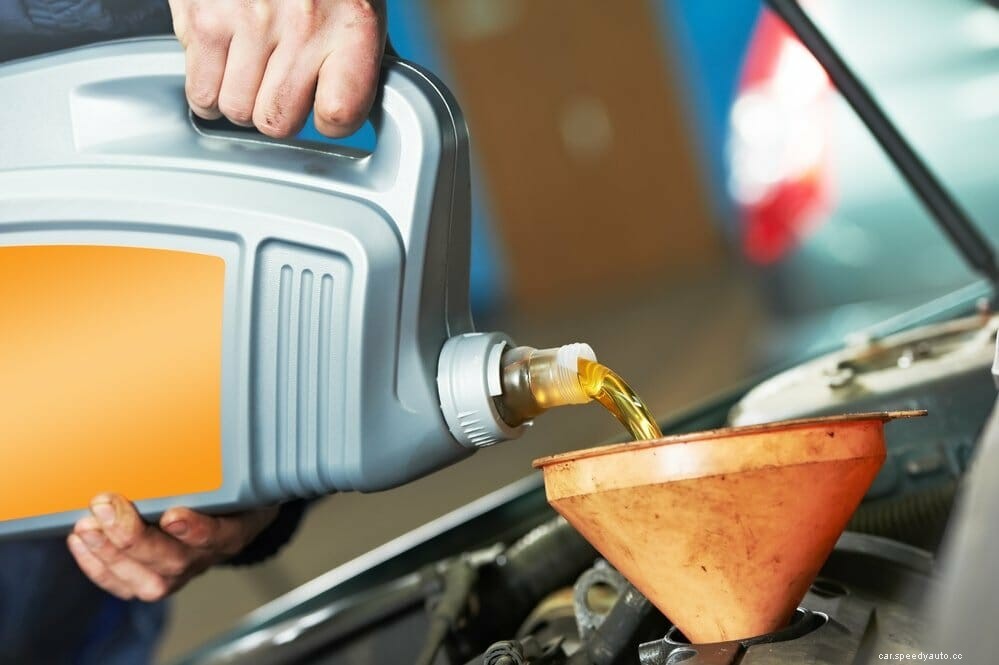
An oil change is a relatively simple process. The first step is to remove the old oil from your car. This can be done with a special tool called an oil extractor. The next step is to add new oil to your car. You can either use a funnel or a hose to do this. Finally, you have to replace the filter and the cap.
You can bring your own oil for an oil change, but it’s important to make sure that you have the right type of oil and enough oil to complete the job.
You should also talk to your mechanic to find out which type of oil is best for your car. Changing your own oil is a great way to learn more about car maintenance, and it can save you money in the long run.
However, if you don’t have the proper tools or knowledge, you should leave the job to a professional. The cost of an oil change varies depending on the type of oil and the mechanic you go to. However, most mechanics charge between $25 and $50 for an oil change.
