
For the longest time, the Honda brand has been synonymous with reliability and build quality. In fact, Honda vehicles are so good they’ve made their way on top lists for just about any vehicle category.
Unfortunately, the engines made in the past few years have significantly damaged Honda’s reputation – mainly the compact turbocharged engines with direct injection.
The Honda Turbo Engine problems were supposedly fixed starting with the 2019 models, but the faults have not been remedied fully. The 2020 and 2021 Honda models may still have turbo issues, but the chance of it happening is reduced.
The more recently built Hondas, primarily Honda CR-V and Civic have issues relating to the turbocharged engine (1.5-liter turbo) commonly referred to as oil dilution.
What happens is that the piston seal rings do not create a proper seal, causing gasoline to seep towards the crankcase and mix with the motor oil.
Make no mistake, this is a normal occurrence in all cars. Once the engine has heated up, the metal expands and a better seal is formed. The heat of the oil and crankshaft burns off the gasoline in the system, and the liquid becomes just oil once again.
Honda engines cannot achieve the burn-off well, especially if the car is driven in the city. Frequent cold starts and driving just until the engine heats up will cause more and more gasoline to mix with the oil.
The lubricating properties of motor oil decrease and cause excess wear on the components, with the turbocharger being the first part to fail. The smell of gasoline and abnormally high oil levels are the most common signs of the issue.
Honda addressed the issue through an update to the engine’s computer. It’s normal for the engine to run rich when cold, but Honda has toned it down a bit, and diverted heat from the passenger cabin to the engine until it heats up to operating temperature.
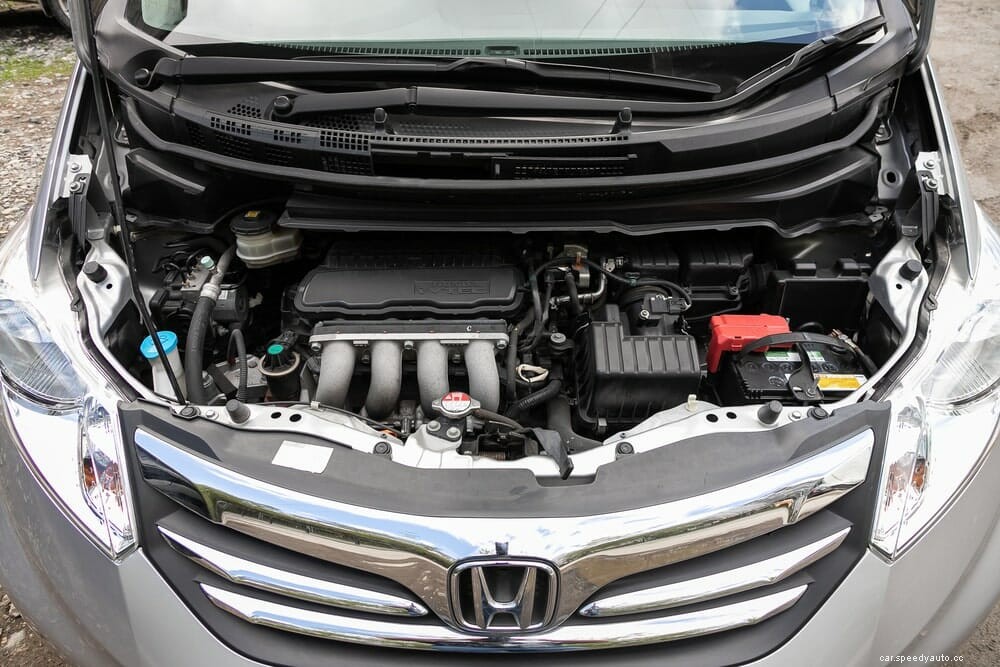
This makes a lot of sense from a mechanical standpoint and is as good of a hotfix as Honda could without recalling and opening up all the engines, but it’s not a 100% successful solution.
Until the engine is updated on the production line or replaced completely, all Honda vehicles with small turbo engines will continue to have this problem to a certain extent.
The oil dilution that happens to Honda engines is more excessive than normal, but with some time and extra gasoline, you can reduce the extent of the issue and even get rid of it entirely.
New engines are built to precise specifications, but they need some time to break in and allow all pieces to fall into their place. If you’ve bought a brand new Honda, the best way to do this is to take it on a series of long highway trips.
You shouldn’t go beyond the speed limit or push the RPM – just drive normally and the engine will gradually adjust and tighten its seals.
Like we’ve said, oil dilution is normal and every engine is fit to deal with it, but it needs heat and time to properly do it. Honda’s issue is most prevalent during the winter with frequent short trips.
Because it’s cold, the engine will keep accumulating gasoline, but never get a chance to burn it off, which leads to all the issues and turbo failure. The solution is simple: some time, and gas money.
The process is similar to the “Italian Tune-Up” of the catalytic converter and will help you clean both parts at the same time, just get on the highway, rural or hilly roads, and get the temperature up to optimal while keeping the RPM higher than needed.
The heat of the engine will burn off gasoline and restore motor oil to its full function, while the heat generated by high RPM will raise the temperature inside the catalytic converter and allow it to burn off excess particles.
You should do this whenever the check engine light for the catalytic converter or the oil appears, and you’ll significantly improve the health of the engine.

Honda has addressed the oil dilution by updating the ECU to make the fuel injectors spray less fuel when the engine is cold. This did not resolve the issue in full, but it manages to reduce the problem and keep it manageable with the tips provided in this article.
Honda’s 1.5 turbo engine is not very good and suffers from oil dilution and turbocharger failure. It’s not that bad of an engine either, but it’s nowhere near the standard Honda has been building up over the decades.
The most notorious Honda engine is the 1.5-liter turbocharged gas engine found in the 5th generation CR-V and the 10th generation Civic. The other engines, especially hybrids and naturally aspirated are much more reliable.
The owner reports show that despite Honda’s efforts, the issue of oil dilution is still present even on the 2022 Honda CRV. The smell of gasoline, loss of acceleration and power, and of course check engine light are the main symptoms reported by the new owners.
Honda could not address the issue by recalling and changing the engine parts as that would be too expensive to pull off. Instead, they’ve pushed out a computer update that adjusts the fuel injectors and somewhat mitigates the problem.
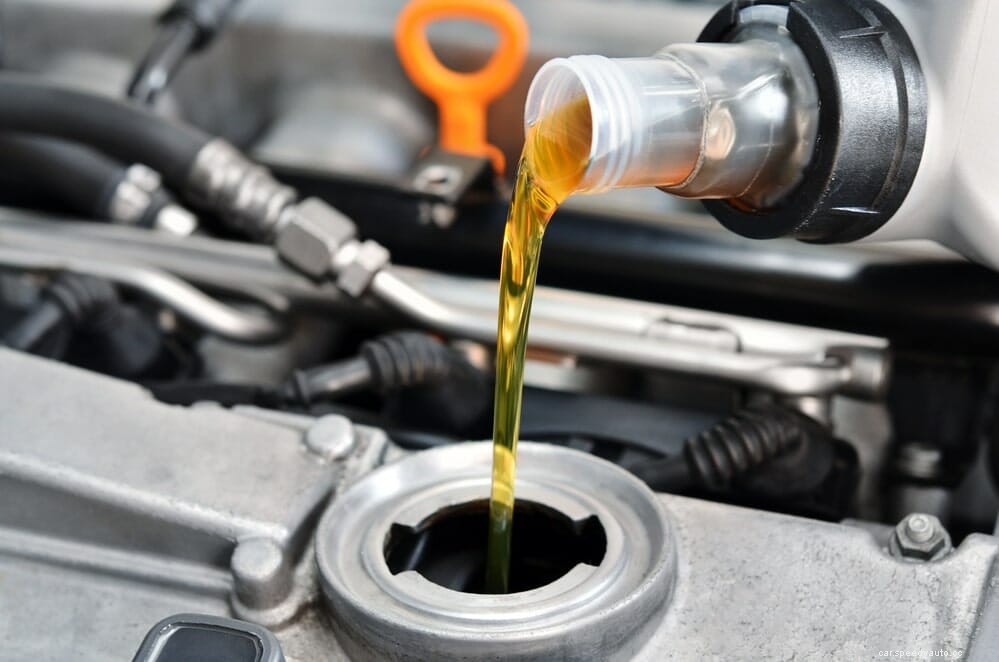
The speculation is that the issue will be fully resolved only when a significant engine update or a complete change to a new generation is made.
Honda’s turbocharged engines are generally reasonably durable, apart from those suffering from oil dilution issues. They can get about 200,000 miles without any significant failures, and go up to 300,000 with regular maintenance and repairs.
Honda’s new turbo engines are reliable, but not across the entire range. The 1.5 turbo is notorious for oil dilution and turbo failure, which has been reported to happen at only 40,000 miles. The other, larger engines are a lot more durable and reliable.
The new 1.5-liter turbocharged gas engine does not use a timing belt – it has a timing chain instead.
Technically, forced-aspiration systems like turbocharges and supercharges do reduce the engine’s durability, but it’s not as big of a deal as some set it out to be. The extreme cases are the small displacement engines (under 2 liters) that do suffer from the massive power boost provided by the turbo.
On the other hand, by significantly improving the power output, the engine can be de-stressed and last a long time. There are plenty of examples of turbocharged engines with hundreds of thousands of miles on the odometer and no signs of wearing out.
The turbocharger is an added part to the engine and when it breaks, it’s one extra thing to repair. However, in terms of maintenance, the turbocharger requires little to no attention.
Speaking from personal experience, I only had to open a turbocharger on a diesel engine at 200,000 miles for grime cleanup, but up to that point and beyond it the unit required no maintenance whatsoever.
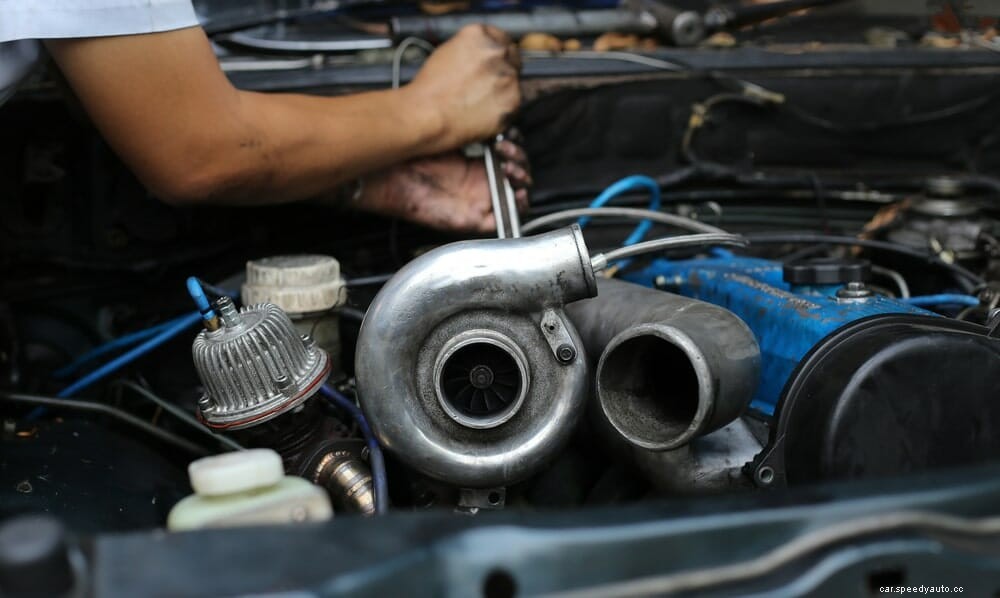
The average lifespan of a turbocharger is 150,000 miles, but keep in mind that this is the average across all models and brands. If you go with a brand known for its reliability and pick the right engine, the turbo can last up to 250,000 miles!
Honda’s VTEC is one of the most reliable gas-powered engines ever made. The small-sized block manages to push out a ton of power thanks to Honda’s ingenious variable valve timing system. A maintained VTEC engine can run for up to 300,000 miles and still be good to cross thousands more.
Unfortunately no, the 2022 Honda Accord continues on the same platform and generation as the 2021 model.
Just like on any other vehicle, Honda timing chains need to be replaced in regular intervals to avoid chain failure. The maintenance cycle is between 80,000 and 120,000 miles, although some vehicles can use the same chain for longer.
Some people got the idea that the timing chain is not worth replacing and are pushing their vehicles to the point of failure. This is not a good idea, but it has allowed us some insight into how durable timing chains are.
There are risks to going up to 200,000 miles, but it’s actually possible to do so with most heavy-duty chains.
Honda hasn’t fully fixed the issue relating to turbocharger failure and oil dilution. The problem persists, although it’s significantly less frequent.
If you are a potential buyer, take this into consideration, and also try to follow the tips provided in this article to minimize the chance of the problem appearing in the first place.
