
Freon is a refrigerant used in car air conditioners. It’s what helps keep your car cool on hot days. But too much freon in your car can be a serious problem.
Common symptoms of too much freon in a car include: the air conditioner blowing warm air, a hissing sound coming from the air conditioner, ice buildup around the air conditioner vents, foggy windows, and a strong chemical smell coming from the air conditioner.
These are all signs that there is too much freon in your car and it needs to be fixed as soon as possible. In this post, we will discuss the symptoms, but also how to fix the problem, so you can avoid the expensive AC compressor repairs and restore the AC to its full potential.
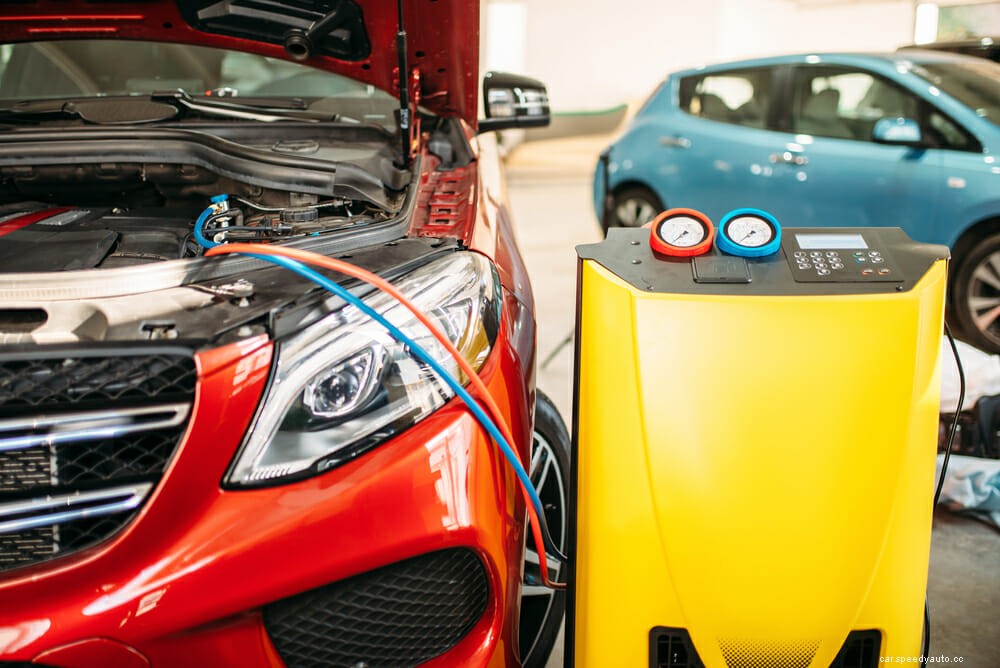
Another common cause of too much Freon in a car is when too much is added during a service. This can happen if the technician servicing your car is not experienced or does not have the proper equipment.
As a result, they may add too much Freon to the system, which can lead to the symptoms discussed above.
Finally, another common cause of too much Freon in a car is problems with the compressor. The compressor is responsible for circulating Freon throughout the AC system. If it is not working properly, it can cause Freon to build up and eventually lead to too much Freon in the car.
In general, your car is expected to have a fuel efficiency of around 30-35 miles per gallon. However, if you have too much Freon in your car, it can cause the compressor to overwork. As a result, your car will use more fuel than usual and may have a fuel efficiency of 20-25 miles per gallon.
Another symptom of too much Freon in a car is loud noises coming from the AC system.
If you hear hissing, banging, or other strange noises coming from your AC system, it could be a sign that there is too much Freon in the system. The noise often arises from the compressor overworking and can be a sign of serious problems.
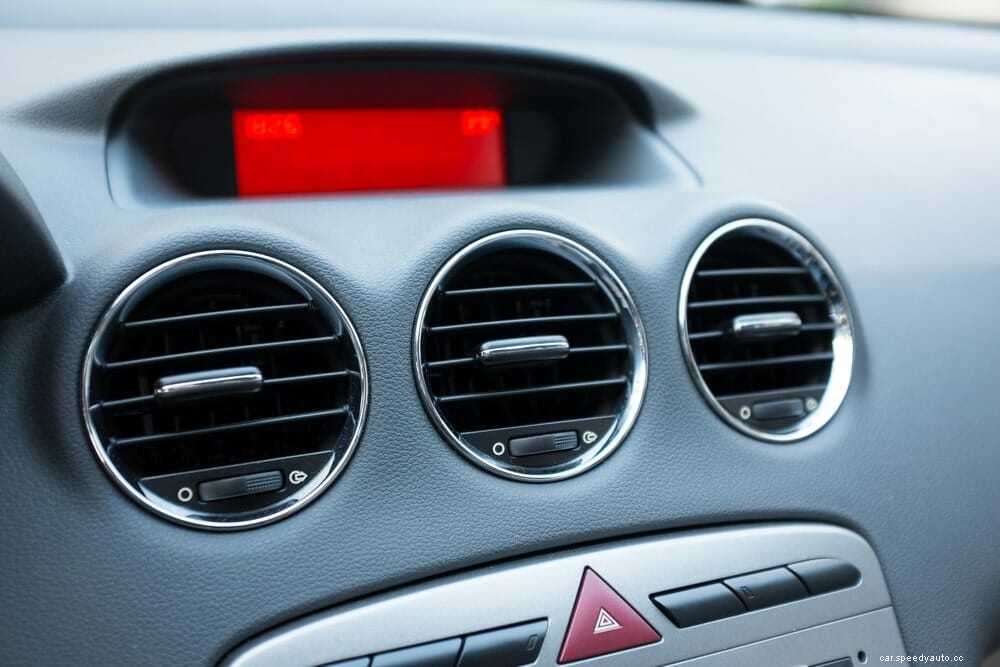
Another symptom of too much freon in a car is reduced airflow from the vents. If you notice that the air coming from the vents is not as strong as it used to be, it could be a sign that there is too much Freon in the system.
This is often caused by the compressor overworking and can lead to reduced airflow.
What is rough idling? Rough idling is when your car’s engine runs unevenly or shakes when it is idle. This can be caused by a variety of factors, but if you notice that your car is idling rough and there is too much Freon in the system, it could be the cause.
It is important that rough idling can b potentially caused by a variety of other factors such as a dirty air filter or spark plugs. As a result, you should take your car to a mechanic to have it checked out if you notice this symptom.
Too much freon affects engine performance. One of the most common symptoms is poor acceleration. If you notice that your car is struggling to accelerate or takes longer than usual to reach high speeds, it could be a sign that there is too much Freon in the system.
As mentioned earlier, one of the most common symptoms of too much Freon in a car is overheating. If you notice that your car’s engine temperature is higher than usual, it could be a sign of a Freon leak or too much Freon in the system.
Overheating can damage your car’s engine and should be checked out by a mechanic as soon as possible.
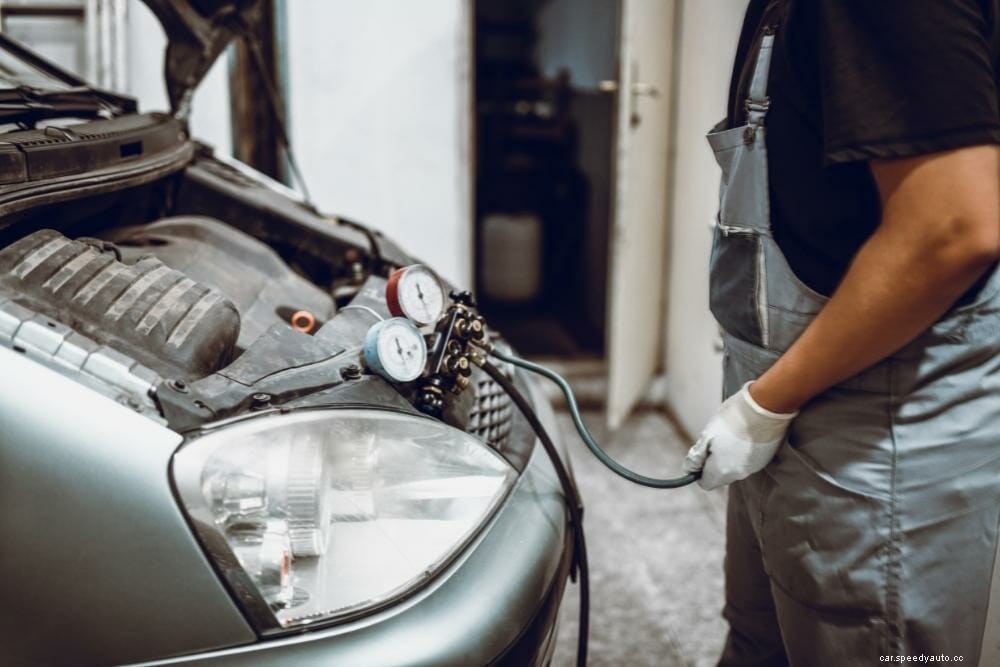
When you notice any of the symptoms discussed above, it is important to take your car to a mechanic as soon as possible. They will be able to diagnose the problem and determine whether or not there is too much Freon in the system.
If there is, they will be able to fix the leak and add the correct amount of Freon to the system. Do not try to fix the problem yourself as you could potentially make it worse.
The only way to know for sure if your AC is overcharged is to take it to a mechanic and have them check it. However, there are some signs that you can look out for that may indicate that your AC is overcharged. These include:
The main reason for a lack of cooling in an overcharged AC is that the compressor is overworking. When the compressor is overworked, it cannot properly cool the Freon. As a result, the Freon becomes too hot and does not provide adequate cooling.
Similarly, the liquid in the system does not have time to depressurize and vaporize. This leads to a higher than normal head pressure, which can cause the system to overheat.
One of the best ways to increase the lifespan of your AC unit is to have it serviced regularly. This will help to ensure that the unit is running properly and that there are no issues that could cause it to fail prematurely.
Additionally, you should make sure to keep an eye on the Freon levels in the system and have it checked if you notice any of the symptoms discussed above.
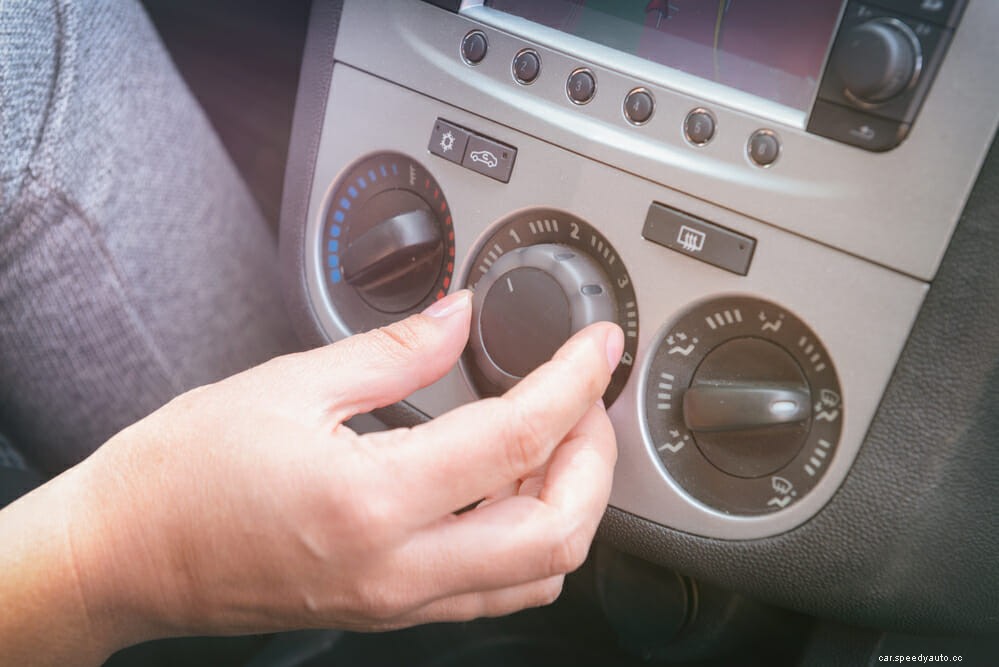
There are a number of factors that can cause an AC unit to fail. These include:
Improperly-functioning plugs can cause a number of problems, including poor acceleration and overheating. As a result, it is important to have them checked by a mechanic as soon as possible.
Likewise, a dirty air filter is bound to reduce the efficiency of the AC unit and should be replaced on a regular basis.
A freon leak could also be the reason for an AC unit failure. If there is a leak, the Freon will escape from the system and will not be able to properly cool the car. As a result, the AC unit will have to work harder to cool the car, which can lead to it failing prematurely.
The common symptoms of too much freon in a car include poor acceleration, overheating, and reduced airflow from the vents.
If you notice any of these symptoms, it is important to take your car to a mechanic as soon as possible. They will be able to diagnose the problem and determine whether or not there is too much Freon in the system.
