
Spark plugs are one of the most important parts of an engine that contribute to its performance. They provide a spark that ignites the air and fuel mixture in combustion chambers, which then provides power to turn the engine’s pistons.
As such, it is not surprising for them to go bad fast when they are neglected or used incorrectly. What causes spark plugs to go wrong? This article will discuss some quick fixes you can use as well as how this affects your car’s performance.
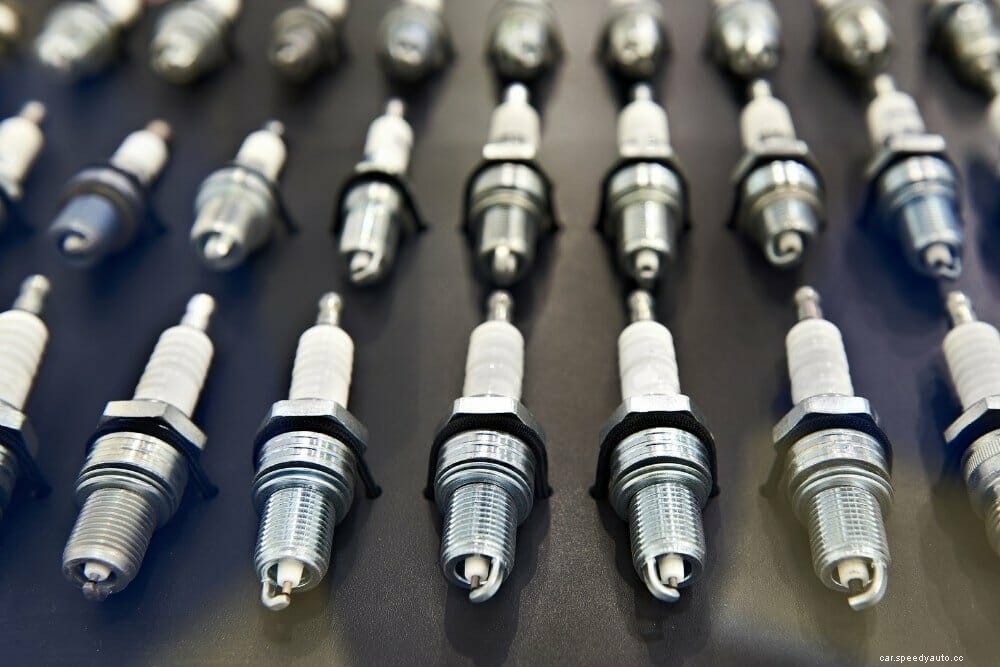
Spark plugs are devices that deliver a spark to the combustion chambers of an engine. They come in different forms and shapes, but their purpose is always the same: creating ignition for internal combustion engines.
Spark plugs are located within or at the tip of each cylinder, which then ignites fuel with compressed air from the intake manifold and exhaust gases from the previous combustion. This process creates energy through heat derived from burning gasses.
When it comes to petrol engines, there is no other way to get this important source of power than by using spark plugs. That being said, how do you know when your car’s spark plug needs replacement? How does neglecting your car affect its performance? The answer lies in what causes spark plugs to go bad fast.
Every owner of a gasoline-powered car knows the routine: every so often, usually around 30,000 miles or so, you have to replace the spark plugs. If your mechanic tries to tell you that they have “laser” technology for removing and replacing spark plugs in modern cars, insist on having regular plugs reinstalled.
Otherwise, you may run the risk of breaking a plug off in your cylinder head – an expensive problem, especially if your warranty is about to expire.
The reason modern cars can go so long between tune-ups has nothing to do with spark plugs, though. It’s all about fuel injection and engine management computers that now control the fuel/air mixture more precisely than ever before.

This system has some benefits: start better in cold weather than they used to, and they pollute less because unburned fuel isn’t escaping into the atmosphere, but it creates new problems as well.
If anything goes wrong with the car’s computer or sensors, there could be trouble with starting or running properly, or it might even shut itself down completely.
These computerized engine controls monitor themselves and make adjustments to compensate for wear or abuse. They also check the most important parts of the engine about once every second, even when the car is just sitting there running.
If anything looks wrong in all that checking, from a loose gas cap to a faulty spark plug, the car will set a trouble code, and you’ll have to go see your mechanic.
If your car keeps losing power and you have recently replaced the battery, then it could be that the spark plugs are going bad fast. There are different reasons why this can happen.
If you own an automatic transmission vehicle, they will most likely suffer from acceleration problems, which really slow them down. However, for vehicles with manual transmissions, low revs normally lead to spark plug failure.
Another instance where a spark plug might go bad fast is if there is a problem with fuel pressure or compression in the cylinders of your car. Faulty temperature sensors might also speed up the process by interfering with ignition timing and engine RPMs (revolutions per minute).
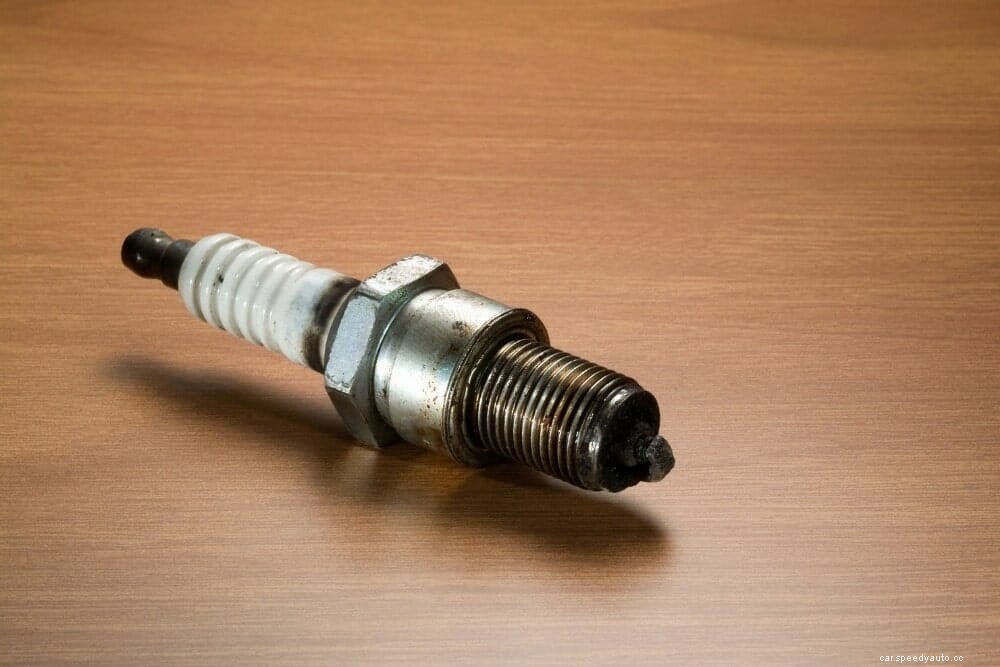
If your engine is difficult to start due to fouled/old spark plugs; if it misfires under load; if you find some white powder on them; or if they are worn out (i.e., the gap grows too large), then you need to replace them with new ones.
Leaks in any of the fuel lines, dirty fuel injectors, or carbon build-up in the engine will lead to faulty spark plugs. If your vehicle is burning too much of its gas, there could be problems with the fuel system. Replacing the spark plugs alone won’t solve this problem, so you need to do a little bit more detective work to find out exactly what’s going on.
If your car is running rough and making strange noises when you take it for repairs, they normally check for preignition and run a compression test just in case.
Preignition occurs when gasoline ignites early in the cylinders during combustion and forces an abnormal amount of pressure in that cylinder. This causes serious damage to your pistons if not caught in time. Preignition will also force your spark plugs to fail fast.
Preignition can be caused by carbon build-up, a lean fuel mixture, and faulty ignition coils. These are just some of the reasons why spark plugs might go bad fast in cars that use gasoline as their primary type of fuel…
You should replace the spark plugs in your car every 30,000 miles or once a year. However, if you follow the guidelines above and only switch them when needed, you might get away with changing them at 60,000-mile intervals.
During your next service appointment, you could always ask your mechanic how often they recommend changing your vehicle’s spark plugs and remember: if it ain’t broke, don’t fix it.
Replacing your spark plugs before they wear out is one of the best ways to keep your car running smoothly and prevent costly repairs down the line. If you do this, you will save money and help protect the environment by reducing emissions from your vehicle.
There are certain circumstances wherein spark plugs suffer wear, tear or get damaged. That is why it’s important for you to know the warning signs that show when your vehicle needs a replacement. A good rule of thumb is to check if it has more than 30 thousand miles traveled on its odometer.
If not, then there might be something wrong with your car’s performance (even though some cars do have a longer life cycle). When this happens, one common symptom would be rough idling, which may also result in stalling out-of-the-blue.
Another sign will be difficulty starting up the engine especially during cold mornings due to lack of fuel getting into the combustion chamber.
In a nutshell, here are some of the most common causes of spark plugs going bad:
There are quick fixes you can do if you’re experiencing any of the aforementioned problems with your car’s performance. The first step is to identify what is causing the issue and then take corrective action based on that.
For example, if there are no signs of ignition in the combustion chamber, but it still has spark plugs installed inside its cylinder head, then you can remove and replace those that have worn out.
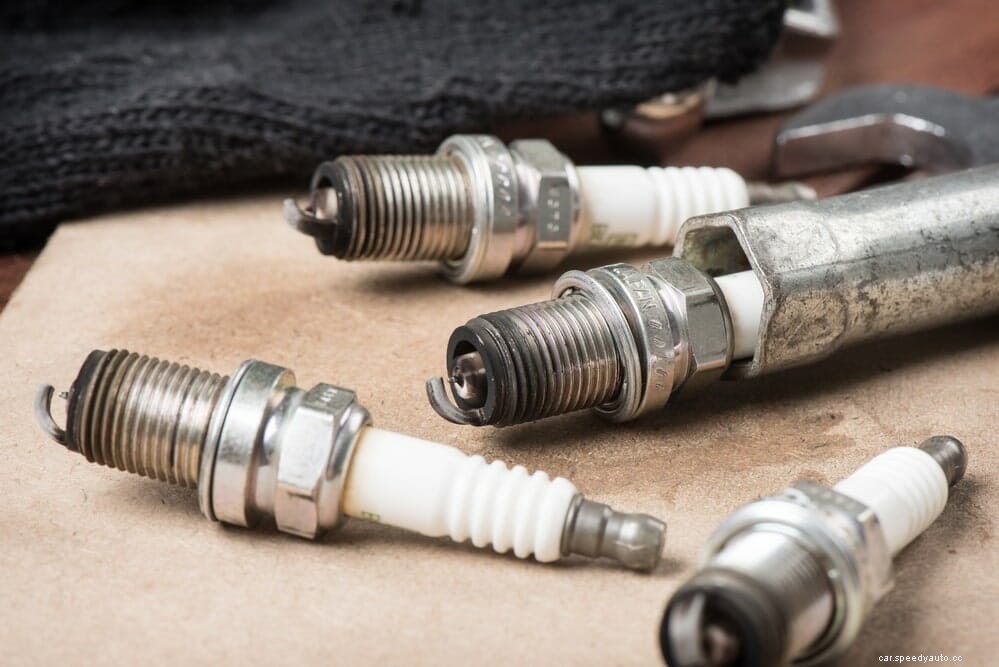
Spark plug replacement is an easy task that any DIY enthusiast can do at home with a few basic tools: a ratchet set (for removing old ones) and new spark plugs for installation. Also, make sure to always follow the manufacturer’s specifications when installing them so they will fit properly.
Once you’ve done this process or even before doing anything else, check your engine’s fuel octane level by checking your owner’s manual or asking someone who knows about cars well enough to help you figure things out.
The reason for this is that there are certain engines (especially those with turbochargers or superchargers) that require a higher octane level in order to operate efficiently.
If your engine requires premium fuel, you can use the standard one as an alternative; however, do not completely neglect proper maintenance by using lower-octane fuels than what’s recommended. Otherwise, it will affect efficiency and performance since they tend to lose power when forced to inhale low-quality petrol.
Another quick fix includes resetting your car’s computer system so it will recognize spark plugs being replaced. Simply drive at least 50 miles after installing new ones before turning back home again. This should also help eliminate rough idling and stalling out problems during cold mornings – at least for a little while.
In some cases, spark plugs go bad because of severe driving conditions. If this is the cause then you might need to install new ones more often than what’s recommended. The key here is to prevent any further damage from happening and keep your car in good running condition at all times. By being proactive about it, you’ll save time and money down the road.
Many tuners are under the impression that modifying the spark plug electrode gap is necessary for optimal engine performance. It isn’t on most cars and should be only done by professionals.
The spark plugs produce a spark to ignite the air/fuel mixture in the combustion chamber. The ignition system and the engine computer (ECU) work together to measure engine conditions like crankshaft speed, manifold absolute pressure (MAP), coolant temperature, throttle position, etc. This allows the ECU to adjust things like timing and fuel injection to optimize performance.
The electrode gap is how far apart the center electrodes are located from each other (see picture below). On most modern engines with electronic or computer-controlled ignition systems, it’s not necessary to modify this gap because the ECU does it automatically depending on various measurements.
Tuners usually try modifying this gap by using feeler gauges but this doesn’t give an accurate measurement and could lead to a lean air/fuel mixture and engine damage.
Diesel engines don’t use spark plugs. They use glow plugs instead, which are heated electrically before the engine is started. Once they are hot enough, compressed air from the turbo or supercharger is directed into the cylinders to ignite the air/diesel mixture with heat created by compression alone.
Spark plugs can’t upgrade your performance, but they are very important for engine operation. They are an essential component of the ignition system that produces a spark to ignite the air/fuel mixture in the combustion chamber.
The gap between electrodes varies depending on the vehicle because it’s set by the manufacturer based on various factors like fuel type, fuel octane level etc. You should always follow OEM specifications when installing or replacing your spark plugs.
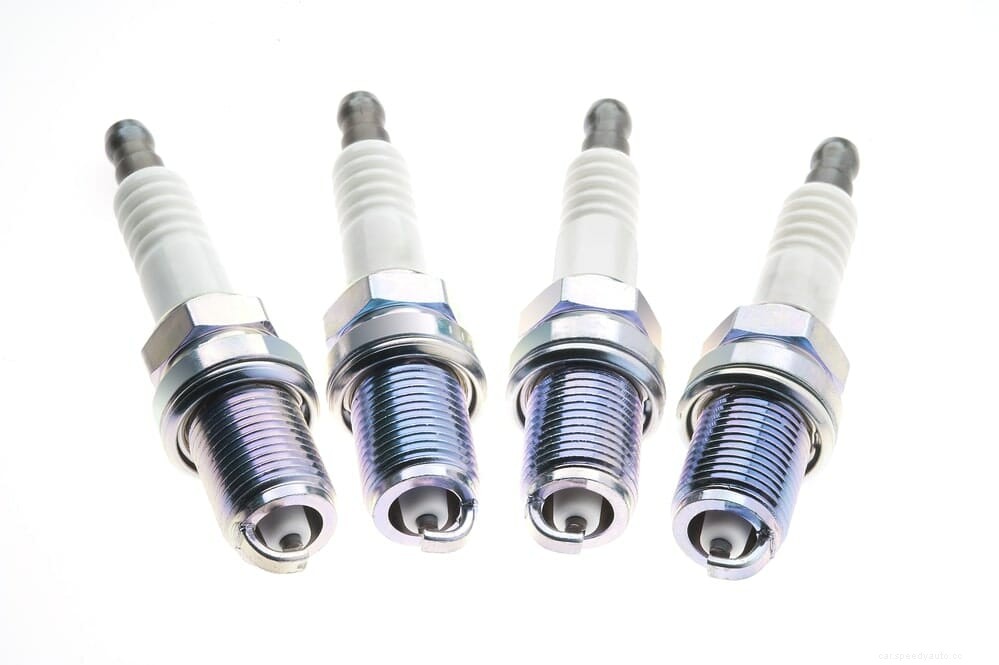
Spark plugs are made of copper, metal, or ceramic and don’t require any kind of lubricant. Some people think that greasing up spark plugs (or using anti-seize material) will make it easier to remove them when they need to be replaced.
However, this isn’t true because the only time you’ll need to remove them is if they fail or there’s some kind of problem with the ignition system (i.e., bad ECU). If the engine has trouble starting due to fouled/old spark plugs, just replace them with new ones according to your vehicle manufacturer’s specifications.
Spark plugs can last anywhere from 30,000 to 100,000 miles or more, depending on your engine type and driving conditions. Some new vehicles come equipped with “long life” spark plugs that are meant to be replaced at around 100,000 miles or more.
You should always check the owner’s manual for proper maintenance intervals.
Spark plugs designed for gasoline engines can be used on LPG-powered cars as well, but the gap should be set according to the fuel that’s being burned. Always check your owner’s manual before replacing them and follow OEM specifications for plug type/gap.
In conclusion, there are several things you can do to prevent your spark plugs from going bad such as following the proper maintenance procedures and using the right type of fuel. If they do eventually go bad, quick fixes are available that will help get your car running smoothly again. Thanks for reading!
Finally, make sure to always drive safely and under the recommended conditions in order to keep your car in good condition. By being proactive about it, you’ll save time and money down the road. Thanks for reading!
