
If you’ve been noticing water dripping from your air conditioner, it’s important to find out what’s causing the leak. There are several potential causes, some of which are fairly easy to fix.
In this blog post, we will discuss the most common causes of water leaks from air conditioners. We will also provide tips on how to prevent these leaks from happening in the first place!
A car’s air conditioning system works by removing hot air from inside the vehicle and replacing it with cool fresh air. This process is known as heat exchange.
It takes place when warm moisture-laden gases are compressed into a liquid state before being released outside through a condenser coil (which acts like an exhaust pipe).
The condensation that forms on these coils causes water leaks if not properly maintained or repaired promptly enough to prevent damage. If you’ve noticed dripping coming from your AC unit then this might mean there’s something wrong with how it operates!
An AC unit can leak water for many reasons: one of them being because its compressor has worn out over time due to use; another reason could be the build-up of ice that has formed due to condensation inside your unit and not been cleared away.
Water leaks can also occur if there’s a hole in your ceiling, wall, or floor which lets moisture penetrate through these areas into other parts of the house such as bedrooms where people sleep at night!
As you can see from above, there are many different reasons why an AC unit may leak water but don’t worry because we’re here today to help solve this problem by providing some helpful tips on how best to prevent it from happening again in the future too!
The vast majority of air conditioning systems leak somewhere near their evaporators. This is the part of your system that houses the evaporating coils, which in turn cool the air inside your vehicle cabin by removing heat generated by its occupants and components like the engine.

Many people think they have a leak because their compressor turns on and off more frequently than normal – but this is not true. A leaking system will produce clear symptoms that are easy to spot once you know what you’re looking for.
Even if you do have an evaporator leak, it’s unusual for refrigerant levels to drop below 75% or so before being recycled into your car’s “high” side with each compressor cycle (typically every 30 seconds or so).
If this doesn’t happen, your compressor won’t turn on at all, but it’s even more unusual for the levels to drop this low.
It’s more likely that you will notice these classic symptoms of a leak first:
Once you’ve established that you have a problem via one of these paths, it’s time to locate where the leak is coming from by applying a few different methods:
If your car has a drain plug near your passenger side footwell (usually a screw cap) remove this and let all refrigerant gas drain away into the atmosphere.
You’ll want to turn off your A/C system before doing this to prevent the gas from being re-routed back into it while you’re looking for leaks.
If your car doesn’t have a drain plug, remove all of the screws holding the plastic paneling in place around where the evaporator unit is located and let all refrigerants escape there instead while making sure not to damage any important electronic systems or wiring in that area.
The accumulator is a heavy-duty metal device that stores pressurized refrigerant when it’s not cycling through your compressor, evaporator unit, and expansion valve. It also prevents moisture build-up inside these components by drying out the air coming out of your A/C vents before it gets there.
If you remove this accumulator and find an accumulation of brown sludge inside, a good bet is that there was a problem with your old one letting in moisture from severe humidity or high outside temperatures – allowing it to freeze on the evaporator unit and cause a leak.
This means that you’ll need to replace your accumulator if you do find any of this gunk within it.
There are two types of valves used as part of refrigeration systems: those which release pressure from their system (the low side) through the rapid expansion of gas passing through them; and those which take up some of this excess pressure by drawing in liquid refrigerant from within the high side to the low side.
Your expansion valve is a combination of these two types, and in most cars, you can identify it because it has a long narrow copper pipe going in and out of it which is used to direct liquid refrigerant where it needs to go within your system.
The problem with valves like this however is that they are subject to extreme temperatures on both ends, meaning that they can be damaged by any moisture or debris that gets into them.
If you see water dripping from the end of this tube then cleaning it may help fix your problem – but if not, you’ll need to replace yours as well.
Keep Your Air Conditioning Running Throughout If you have no idea where the leak points are inside your car’s A/C system, leaving your car’s air conditioning running for extended periods of time (such as overnight or while you’re at work) may help to pinpoint it.
This is because refrigerant gas works its way around the entire system during operation.
Any leaks within it will either show up as excessive moisture on one side of the windshield visor or other areas within your passenger compartment or as water dripping from parts of the A/C system where this gas is being released, which you can then trace back to find their source.
The evaporator unit is typically located behind a plastic panel inside your car’s passenger compartment next to where the blower fan is housed. It also requires that you have access to the additional room behind this panel for replacing it.
Driving around with a defective evaporator unit means that you are actively damaging your car’s air conditioning system, however, which is bad news if you rely on it to keep you cool during the summer months – so repairing this one should be a top priority.
When cars sit idle for extended periods of time their refrigerant gas inside tends to dissipate, leaving behind oil-based moisture and small amounts of debris.
This makes it all too easy for an A/C system component like the compressor accumulator (which pumps lubricating oil within your compressor) to become clogged or corroded by any of this gunk left behind and can cause your compressor to fail entirely.
Replacing this oil, therefore, is a must before you turn on your car’s A/C for the first time after repairing it, which is why we recommend doing so as part of any complete system cleaning or repair procedure.

If you want to stop dripping coming out of your air conditioner then make sure its coils are clean before turning it on. This means wiping off any dirt, dust, or leaves that may have built up over time and can cause the unit to not function as efficiently as it should.
You should also check your AC unit for any cracks, holes, or leaks and repair them immediately if you find any!
It’s also important to keep an eye on the outdoor condenser coil of your air conditioner – especially in hot weather when there’s a higher risk of this part becoming damaged. Make sure no plants are growing too close to the unit as they could block the airflow, and always use a garden hose to clean the coils off every few months (or more often if necessary).
Finally, be sure to regularly change your air filter inside your AC unit so that contaminated air can’t get trapped inside and cause leaks from happening again!
How often do you replace your air conditioner? In most cases, the answer is “never.” That’s because these items tend to last for decades if properly maintained. But what about when it starts leaking water all over everything in sight – including yourself!?
Well then, maybe now would be a good time to consider replacing that old unit.
So, if your AC unit is leaking water then don’t wait any longer to take corrective action! The sooner you address the problem, the less likely it is that serious damage will occur.
Yes. If your condensate drain line is clogged or if there’s a leak in your air conditioner, then this could cause water to drip out of the unit and onto everything below it – including yourself! This can be very dangerous because you might slip on wet surfaces such as tile floors which may result in injury for anyone standing nearby.
Yes. If the air filter inside your AC unit is blocked, then this can cause the system to not function as efficiently as it should – which could lead to water leaks. Be sure to change your air filter on a regular basis (as recommended by the manufacturer) in order to prevent this from happening.
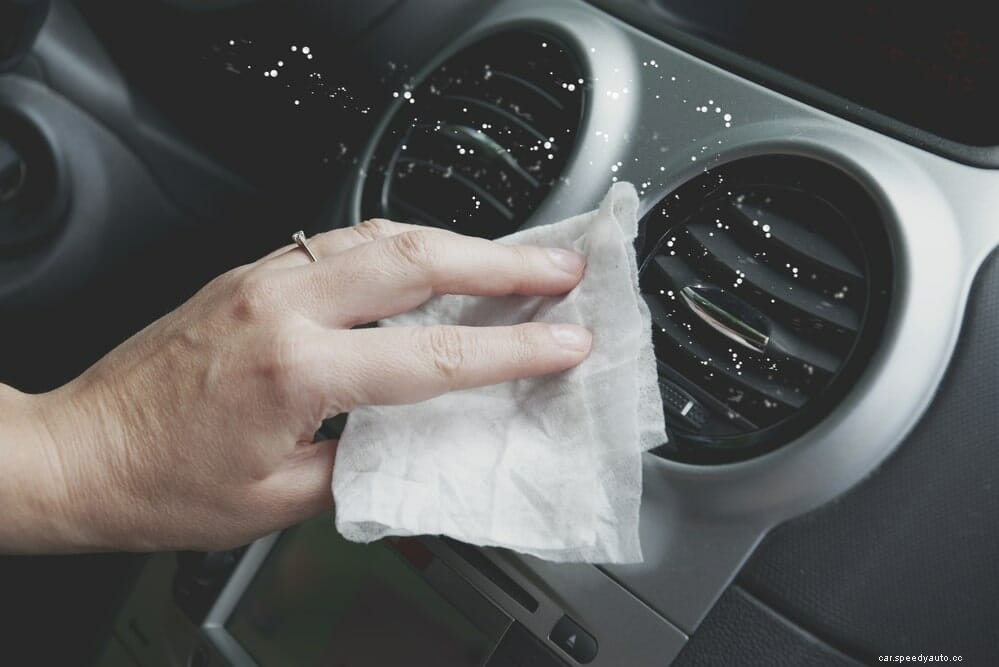
There are many possible causes of moisture build-up inside an AC unit, including clogged coils, a malfunctioning condensate drain line, and damaged insulation.
If you suspect that excessive moisture is accumulating inside your AC unit, then be sure to have it inspected by a professional technician as soon as possible. This will help determine the root cause of the problem and how it can be fixed.
Yes. If the seals around the air conditioner’s components are not functioning properly, then this could allow water to leak out and cause damage to the unit. It’s important to have a professional technician inspect your AC unit regularly in order to ensure that all of its seals are still intact and working properly.
There are a few things you can do to try and stop your car AC unit from leaking water inside. First, be sure to check the coils for any dirt, dust, or leaves that may have built up over time and could be causing the leakage. You should also check the AC unit for any cracks, holes, or leaks and repair them immediately if you find any!
It’s also important to keep an eye on the outdoor condenser coil of your air conditioner – especially in hot weather when there’s a higher risk of this part becoming damaged.
Make sure no plants are growing too close to the unit as they could block the airflow, and always use a garden hose to clean the coils off every few months (or more often if necessary).
Finally, be sure to regularly change your air filter inside your AC unit so that contaminated air can’t get trapped inside and cause leaks from happening again!
With all that said, however, there is no substitute for taking your car to a professional mechanic if you suspect that it might have a leak most likely caused by another problem such as damage from road debris (which may also explain why moisture is accumulating inside under its plastic covering).
Since finding and fixing multiple problems like this at once prevents aggravating customers who’ve already given up their hard-earned cash in repairs but only to find themselves having the same problems again shortly thereafter.
This means that if you’ve repaired your air conditioning system and want to stay cool for as long as possible, then now is the time to take good care of it by doing regular preventative maintenance such as changing its oil on schedule and making sure that its internal components are kept clean and free from debris.
With a little diligence, keeping your A/C going strong year after year might be easier than you thought.
