
When you check your car’s transmission fluid and see bubbles, it can be concerning. You may not know what to do about it, or even if there is anything you can do.
In most cases, bubbles in transmission fluid are caused by excess air in the system or a lack of transmission fuel, which can easily be solved by a quick visit to the mechanic. It can be also caused by additives, leaks, pump and clutch malfunction, or even overheating.
You can solve it by doing a flush or adding additional fluid, or just following regular maintenance recommended by your car manufacturer.
In this article, we will discuss the causes of bubbles in transmission fluid and what you should do if you see them. We will also provide tips on how to prevent bubbles from forming in the first place!
Transmission is the machine that transfers power from a rotating shaft to another rotating shaft. They are widely varied in design based on their application, but this article will focus on automotive transmissions.
The transmission is often complex, depending on if it’s an automatic or a manual. Some parts include:
This is the main gear that the vehicle’s engine turns when running. It spins at exactly one speed; which can vary depending on many factors such as load and RPM (Revolutions Per Minute).
This is what engages particular gears inside of an automatic. For instance; if you put it in ‘Drive’, it will go forward. If you put it in Reverse, it will go backward.
This is a commonly misunderstood subject for people wanting to drive stick-shift because there isn’t a place to select gears inside an automatic transmission. In many new vehicles, the gear selector has been replaced with Paddles that allow you to manually shift without going into the menu system of the car.
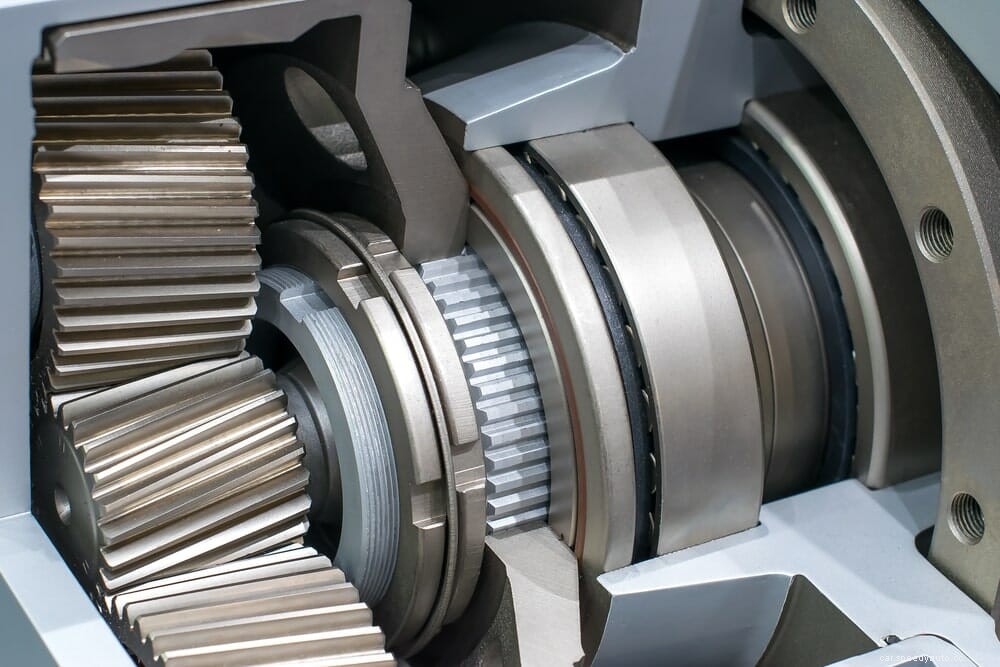
This part of the transmission takes power from the engine and multiplies it by some factor determined by what gear is engaged.
For instance, if you are cruising around 60mph in 3rd gear, your engine is turning at roughly 2000RPM while only putting out 100hp depending on engine size and load on the engine.
If you were cruising at the same speed in 6th gear, your engine would only have to turn 1000RPM with the throttle pegged. This is accomplished inside the transmission by gears spinning on shafts that are attached to each other.
Think of this as a clutch for an automatic transmission. When you shift into 2nd gear, power instead goes through this device instead of directly to the gear train.
There are multiple torque converters in modern automatic transmissions because there are different ‘speeds’ or stages to them depending on what direction they need to change.
Let’s say you are cruising along in Drive at 40mph but decide to slow down by braking; when you do so, your car will automatically go into 1st gear to compensate for the slower speed. This is when the torque converter changes from being a clutch to an ‘engagement device’ that locks gears in place.
It accomplishes this by creating a damping effect that locks rotating parts together with energy, then releases it at a rate dictated by how fast you are going and which gear you have selected.
These are the main gears attached to either side of the output shaft of an automatic transmission.
When the power goes through them, they spin in unison in direct relation to the speed they were driven at.
This has one purpose; to deliver whatever power has been transmitted through the drive gears to whatever device the transmission is bolted onto.
In this case; we can see that it’s bolted to a differential which distributes that power equally to both wheels of an axle, causing them to spin at different speeds (which makes a car turn).
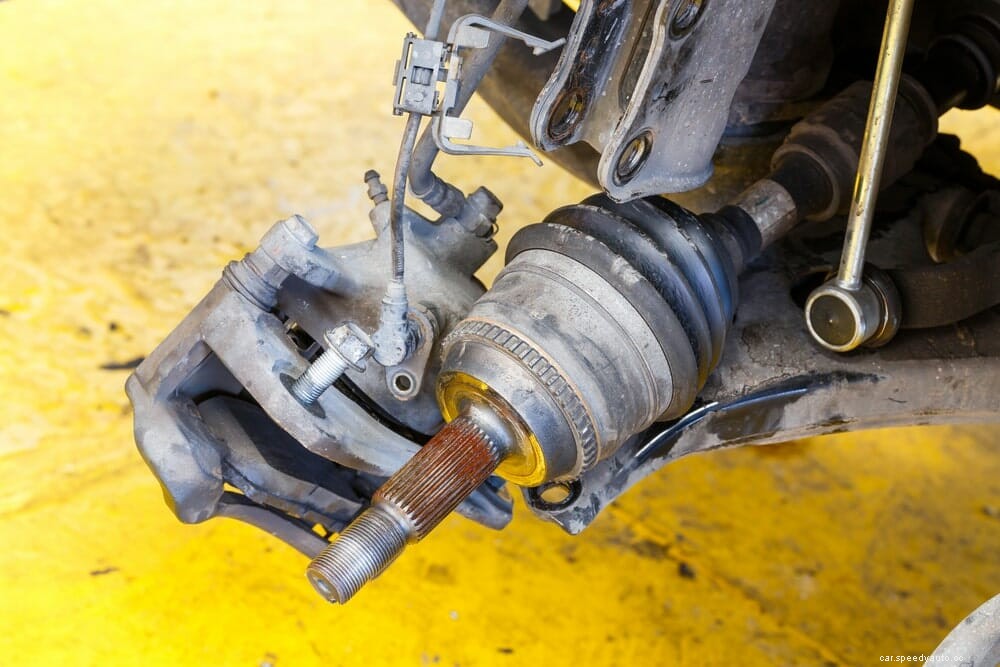
This shaft inside of your transmission does two things. It controls how much gear multiplication goes on inside of your transmission by rotating in relation to everything else, and it changes direction depending on whether you are accelerating or decelerating.
The reason for this is that there needs to be some way for the torque converter and clutch assembly inside of an automatic transmission to change direction so that they don’t wear very quickly.
This is used to disengage gears and improve efficiency by varying the coefficients of friction between different components.
There are many types of clutches in automatic transmissions, but they all function similarly; one piece will be spinning at a higher speed than something else (the flywheel for instance), and it will ‘slip’ or slip into mesh with that component slowing down the faster component slightly.
When you shift gears inside an automatic transmission, this part does most of the work. It engages and disengages different gear trains depending on what direction you want to go, and can do so multiple times if necessary.
Behind your engine’s water pump sits a hydraulic pump called a fluid pump. It is responsible for pumping transmission fluid throughout the different parts of your automatic transmission to keep the temperatures down and ensure that gears don’t lock up under pressure.
The pump has three lines going into it, but only one line coming out of it. Where do those other two go? Think about my old analogy with a garden hose; there’s always one hose shooting water left or right from the spray nozzle, this is how hydraulic pumps work.
This one line feeds both clutches inside of your torque converter as well as the slipping device inside of your drive gears to prevent them from locking up due to excess heat or lack thereof.
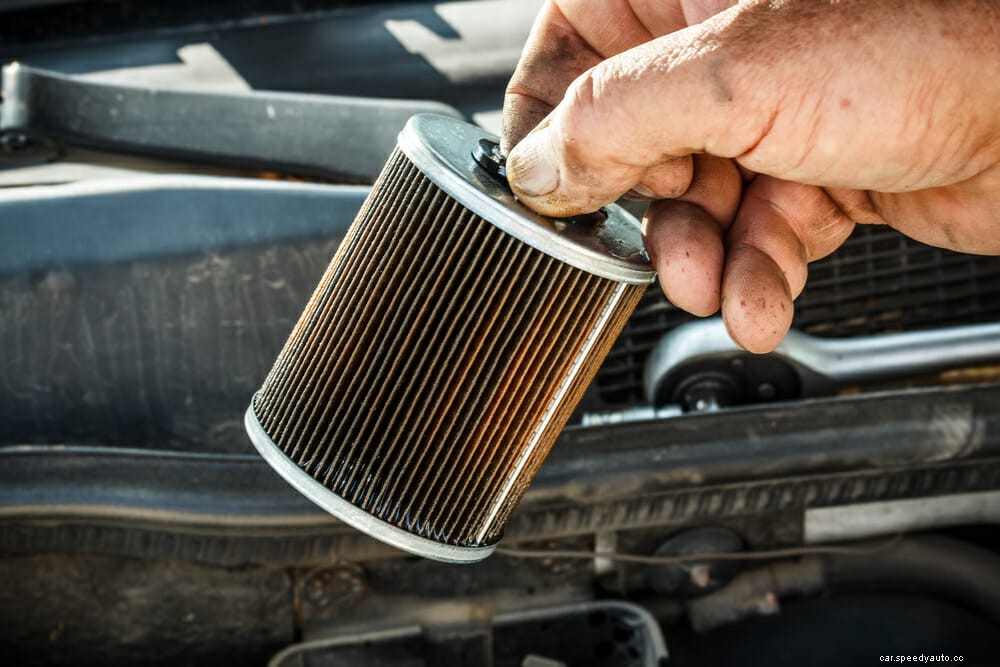
Oil flows through here, trapping metal shavings that would otherwise interfere with the smooth operation of all components.
Fluid is cooled down before the torque converter by flowing over a metal bar.
This holds excess fluid and releases some of it into the cooler when the vehicle goes uphill or into turns to prevent overheating under stress.
No matter what brand you buy; ALL automatic transmissions have this filter screen that catches any metal shavings before they end up in more sensitive parts like gears and bearings (this is not always true with high-performance transmissions like those used for racing).
Although all these parts are necessary for the proper operation of the transmission, this is not ALL there is to know about gear trains. You see, there are different types of automatic transmissions out there nowadays that have different designs and layouts depending on what they were invented for.
This type of transmission doesn’t really have gears in it at all, but rather a ‘belt’ with teeth on it offset slightly from where they are supposed to be that changes pitch as you go faster or slower.
What this does is vary how wide open the throttle plate inside of your engine bay gets allowing you to still accelerate without shifting gears.
There’s no torque multiplication whatsoever so power output through the drivetrain remains constant throughout your drive, much like if you were to rev a vehicle’s engine with a manual transmission.
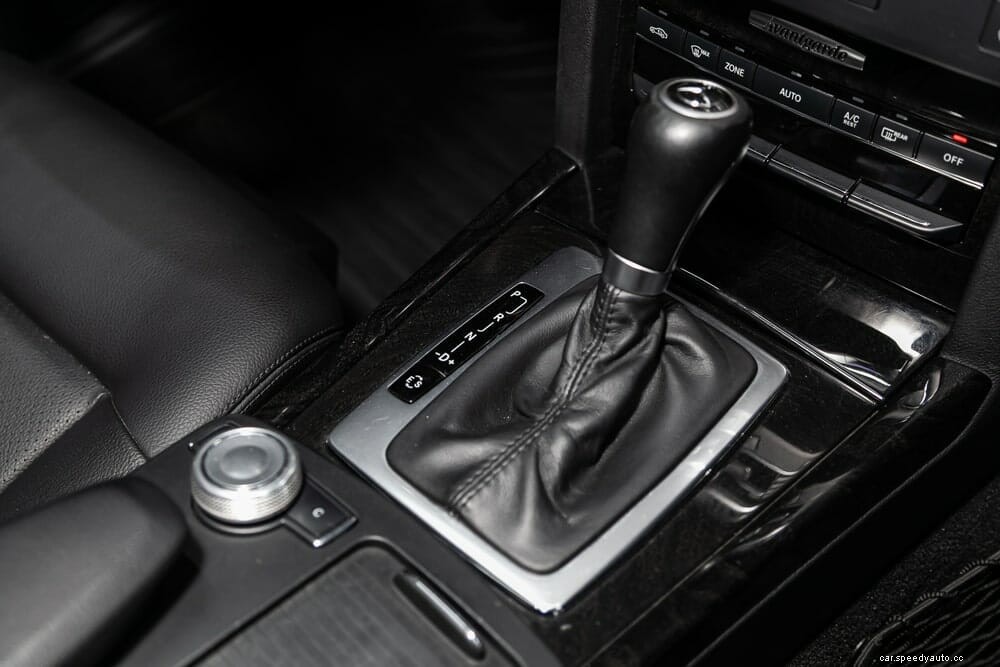
These have gears inside of them, and they have different gear ratios depending on power output from the clutch assembly as well as the model year the car was built around.
This means there are five visible gear ratios under your shifter labeled D, 3, 2, 1, and R for reverse. In many vehicles, this has six speeds total but only five visible gears to one being locked or fixed at all times.
Cars with manual transmissions have gears inside of them just like automatic ones, but they work in a completely different way.
You see, when you change gear ratios in an automatic transmission vehicle, the input shaft spinning at engine speed and the output shaft spinning at twice that speed cause torque multiplication to keep everything moving along smoothly (unless your fluid pump can’t keep up then bad things happen).
With a manual transmission, you’re directly multiplying the engine torque by locking and unlocking different gears inside of your gearbox.
So how does that work? Well think about it like this: You take whatever speed your engine is turning and connect it to the driveshaft through a set of ring and pinion gears (gear ratio).
Between those ring and pinion gears spinning at whatever speed your engine is turning (rpm) is the gear you want to go into; either higher or lower depending on what speed you’d like to get up to.
This new rotating gear will increase or decrease rotation speed at the output shaft compared to what it was while connected with your drivetrain while giving us some resistance if we push on our car’s throttle.
On the end of that output shaft is a solid shaft called the input shaft which we can connect our driveshaft to. If we were to let go of this rotating gear, it would spin freely and with no torque multiplication or any other forces pressing on it (like if you were in neutral).
We need this spinning gear to be locked into place, however; so with pressure from your foot pushing down on the gearshift inside your car, lines up perfectly with the next sequential set of gears inside your transmission.
This sets the appropriate stage for all those rotating gears between them to be forced together through hydraulic pressure or overrunning clutches causing everything connected below to speed up or slow down depending on what direction choose.
Transmission fluid is a slippery, oil-based fluid that helps provide the necessary pressure to get everything moving inside of your transmission.
In older cars with many miles on them, this fluid has been subject to high heat from friction and becomes dry and gummy over time leading to poor performance from your gearbox.
In new cars, manufacturers use a synthetic fluid that doesn’t suffer from the same fate as conventional automotive fluids due to its chemical makeup.
A car can be diagnosed with transmission problems when it exhibits symptoms of slipping, harsh engagement, or delayed gear changes. When these symptoms are detected, you should bring your vehicle to a mechanic right away.
A certified technician will diagnose the transmission problem by eliminating other possible causes of the symptoms and checking on several components of the powertrain system for fluid leaks or damage that could be causing faulty operation of the engine’s hydraulic system.
Here are some of the most common causes that may result in bubbles in transmission fluid:
One rather common cause for bubbles in the transmission is an air leak resulting from loose fittings, cracks, or damaged gaskets on any part of the vacuum or pressure lines connected to your car’s transmission, including the PCV (positive crankcase ventilation) valve and EGR (exhaust gas recirculation).
A release of air into the fluid can create bubbles, leading to the malfunction of the different components of the system.
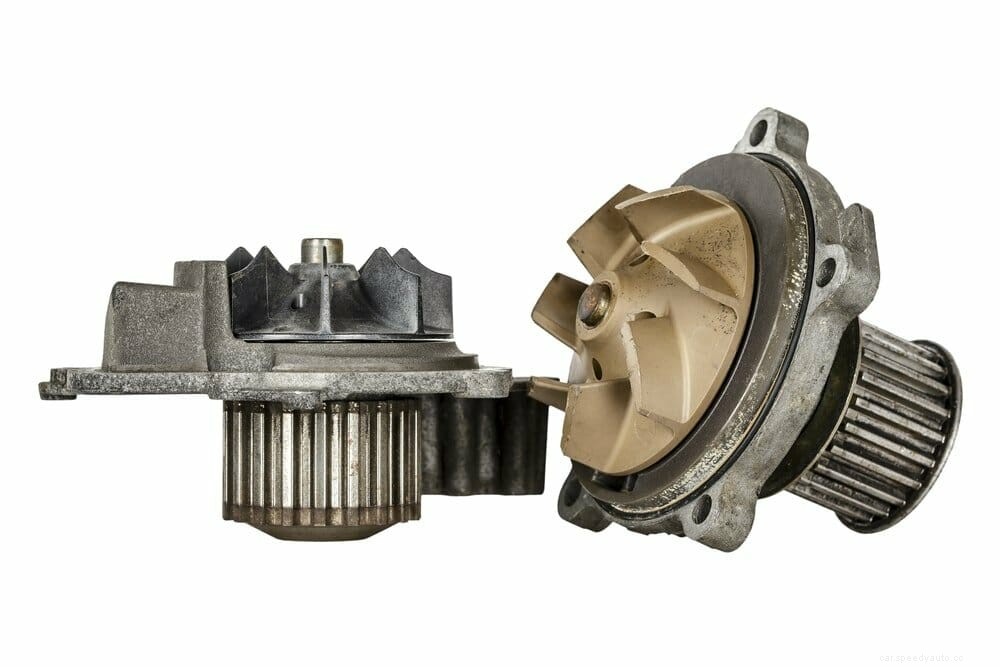
The second possible cause for bubbles in your transmission fluid is a defective or otherwise faulty air pump that contributes to internal contamination by allowing air into the powertrain system.
It may also contribute to damage of seals due to increased pressure within the hydraulic circuit.
If you are experiencing problems with your vehicle’s transmission related to this component, have it checked out right away by an experienced mechanic so he can check if there are any leaks or malfunctions present inside or outside of the system.
When the transmission fluid overheats, it may turn into vapor and enter the vacuum lines of your car’s PCV valve. It can then be pushed back to the engine due to the pressure in the intake manifold where it will enter in contact with hot air again, thus creating bubbles in your transmission fluid.
When this happens repeatedly, it results in a loss of power or poor shifting performance, which are sure signs that you should have your vehicle checked right away by an experienced technician at YourMechanic.
He’ll quickly diagnose what is causing these problems and make repairs accordingly for the better overall performance of your vehicle.
Malfunctioning pressure control or pilot valve, or a worn-out clutch can also cause bubbles in the fluid. If one of these valves is stuck partly open, it will allow air to enter the system and create bubbles when it should normally be closed.
A worn-out clutch may result in improper shifting between gears due to internal damage which could prove to be expensive if not attended to right away by a professional mechanic who can diagnose and repair your car’s transmission problem effectively and efficiently.
The solenoid contacts on an automatic transmission might get corroded over time because of oxidation and other factors and eventually lead to electrical problems that affect the performance of your vehicle’s hydraulic system.
This can especially happen if the contacts are exposed to moisture because it will cause rust and corrosion more quickly.
When you notice that your vehicle is having trouble shifting gears or experiencing other problems related to the transmission, it’s important to bring it to a mechanic as soon as possible for proper diagnosis of the problem and make repairs accordingly.
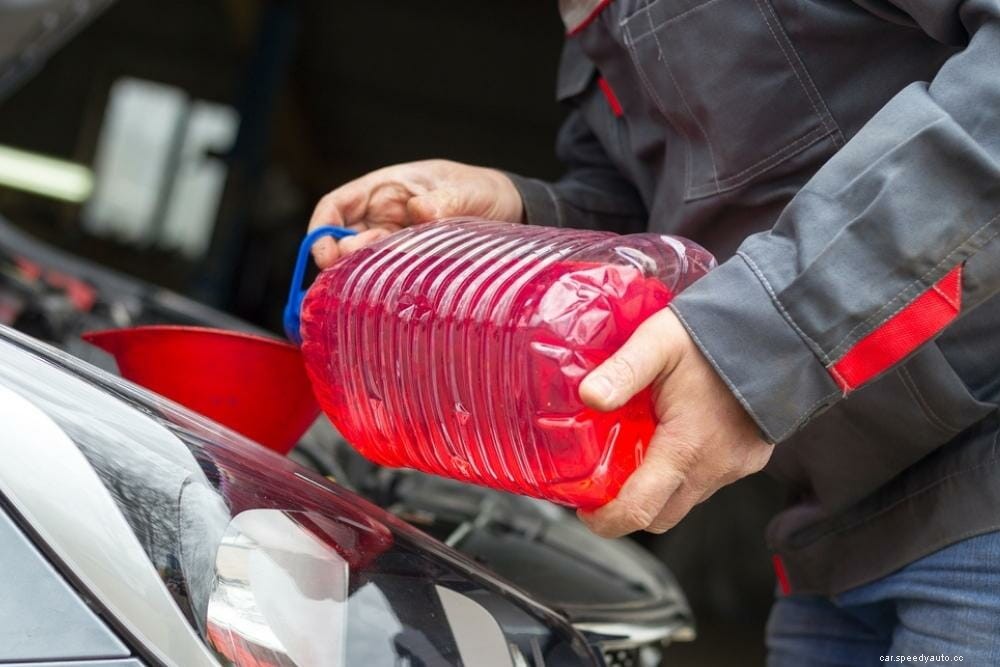
Other causes of fluid contamination include additives like chlorine, borax, or soda ash put into your car’s automatic transmission fluid (ATF) by some service centers and quick lubes.
These chemicals can damage seals and gaskets over time, causing them to fail prematurely and thus creating bubbles in your transmission fluid.
This is another reason why you should never go to such places for oil changes or any other related service. You should instead rely on a reputable dealership or independent mechanic to ensure the proper performance and long life of your vehicle.
A plugged valve body filter can also create bubbles in the fluid, as it will allow particles into your system that were normally filtered out by this component before being sent through to other components that need clean transmission fluid for efficient operation.
If you notice any shifting problems or difficulty with your car’s transmission, make sure to have it checked at once by an experienced technician who will quickly diagnose what is causing these issues and make appropriate repairs so everything works properly again.
This happens when there is a crack or damage to the hydraulic fitting seal that allows the fluid to leak out into the vacuum line, where it then gets sucked back into the intake manifold. If this happens repeatedly, you can experience drivability problems or abrupt shifting between gears.
You should therefore see your car’s mechanic as soon as possible so he can diagnose and repair any damage to your vehicle’s hydraulic system quickly before more extensive repairs are needed.
Usually caused by overheating during hard driving conditions or racing, bubbles in your transmission fluid could indicate that there is a problem with the clutch seals that allow pressure release when the clutch is disengaging inside of the automatic transmission assembly.
Replacing them will require special tools and knowledge of how transmissions work which you won’t find at your local quick lube or another repair shop.
Instead, if you want to ensure quality repairs and proper performance of the transmission system in your car, use a professional dealer who will provide you with great customer service and answers to all of your questions.
This is not actually the cause of bubbles in the fluid but rather a result of other problems that should be addressed as soon as possible by an experienced mechanic who can fully diagnose and address whatever might be causing these issues.
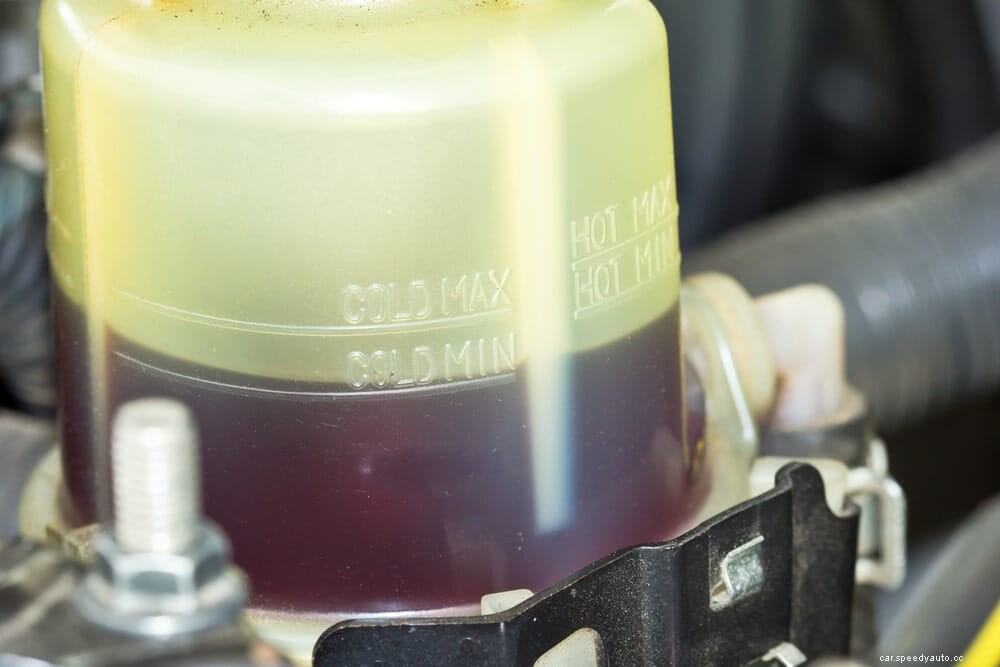
Symptoms include delayed engagement when shifting from park into drive, delays when accelerating from a stop, slipping gears during normal operation, or jerking movements while changing gears.
If you have been experiencing any of these but don’t know why they are happening, take it to a mechanic as soon as you can so he or she can determine what is going on and make the necessary repairs.
The earlier you do this, the more likely it will be that your transmission system will be repaired without additional damage being done which could potentially cost hundreds of dollars.
Even if you have been experiencing all of these problems, after receiving a proper diagnosis from a professional mechanic they should go away completely once any issues with your vehicle’s transmission system have been fully resolved.
If none of these options apply to your particular situation, then either there is air in the fluid trapped for some reason or there is an internal part failure related to the differential. You need an experienced mechanic to come out and diagnose if bubbles are present in the fluid, how prevention, diagnosis or repair.
Bubbles in transmission fluid are not necessarily dangerous, but they can be a sign that there’s something wrong with your car. If you ignore them and don’t get them fixed, it could eventually lead to damage to the transmission.
It’s always best to get any issues with your car checked out by a professional, so they can tell you what steps need to be taken to correct the problem. Bubbles in your transmission fluid should not be ignored!
There are several things you can do to prevent bubbles from forming in your transmission fluid:
If you already have bubbles in your transmission fluid, you can try a few different things to get rid of them:
You should change your transmission fluid every 30,000 miles. However, this may vary depending on the type of fluid used and the make of your car. Check your owner’s manual for more specific instructions.
No, bubbles in the engine are usually caused by a problem with the spark plugs or fuel injectors. Bubbles in transmission fluid are most often caused by air leaks.
Yes, you can flush transmission fluid by running the engine for a few minutes with the car in neutral. This will allow any old fluid to drain out of the system and new oil to be added.
The process may need to be repeated several times before all of the old oil comes out completely though since there’s always some leftover after each cycle (even if it’s just a little bit).
The best transmission fluids are those that last long and have high viscosity index ratings because they’re less likely than other types to break down over time due to heat buildup during use which could cause leaks or even worse problems such as engine failure!
It depends on the vehicle. Some cars have a drain plug for their transmission fluid, which makes it easy to change or flush transmission fluid.
Other vehicles don’t have this feature and will require more work like removing parts of the car before you can get at all components in order to replace them yourself (or taking your vehicle into an auto repair shop).
Bubbles in the transmission fluid can be concerning, but don’t panic! There are several things you can do to prevent them from happening in the first place, and if they do occur, there are ways to get rid of them.
Bubbles aren’t always dangerous, but they’re definitely a sign that something is wrong with your car. If you see bubbles in your transmission fluid, don’t ignore them – take it to a mechanic and have them check for leaks or other issues that may be causing the problem.
