
Your car relies on a number of fluids to stay healthy in a variety of ways. From fuel to power the engine to wiper fluid to maintain visibility, there are lots of fluids to keep an eye on. A couple of them directly impact your car’s transmission and can cause a nasty transmission repair if left alone for too long.
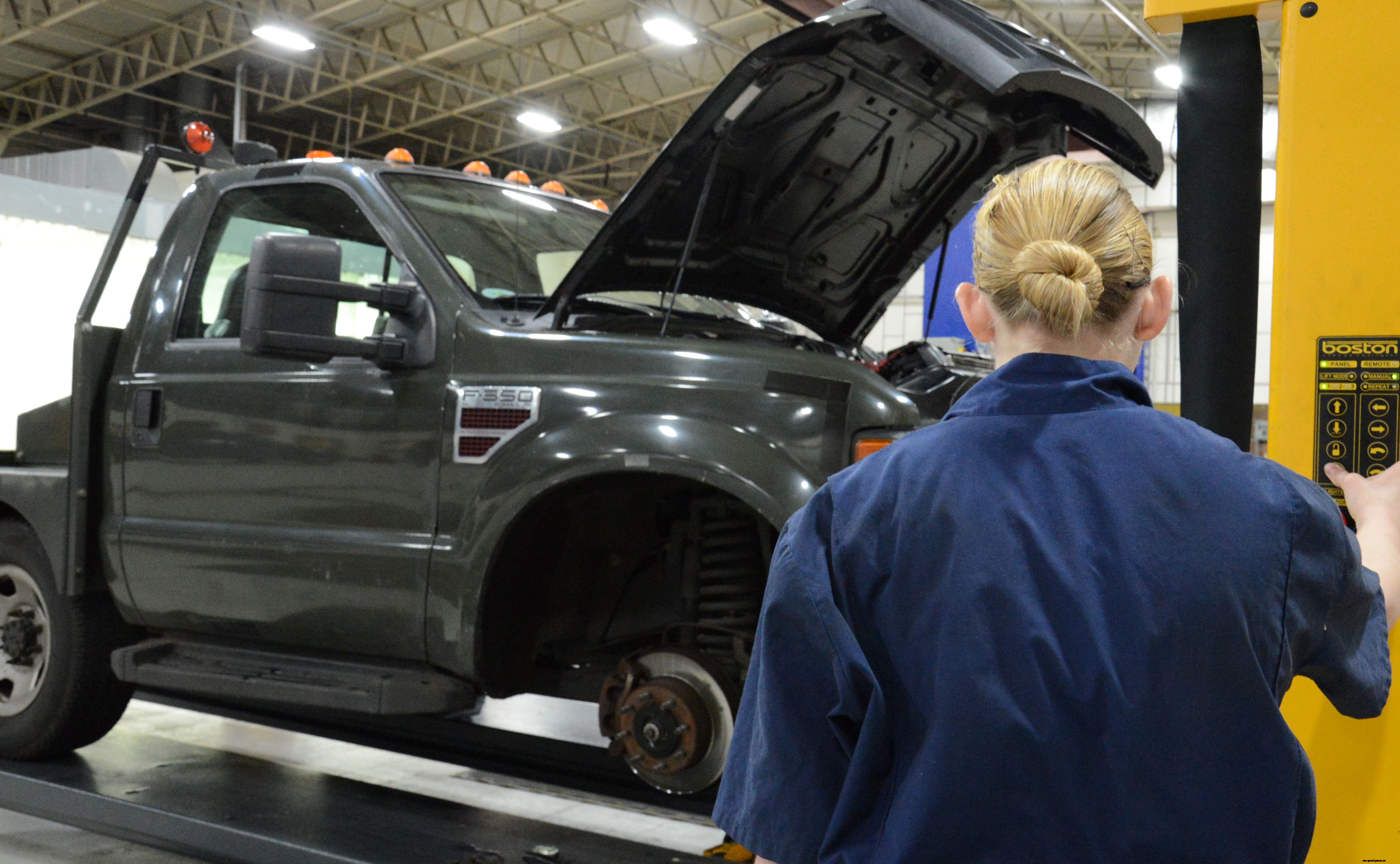
The coolant in your car may be more commonly associated with your engine but really, it keeps both the engine and transmission at healthy temperatures. Over time with use, your coolant will accumulate dirt and debris, both from working parts and the environment. The more contaminated it becomes, the less able it is to keep your engine and transmission cool – and an overheating transmission means extra wear on the working parts inside. Take a look at your coolant from time to time to make sure the level is adequate, and it still looks clean enough.
The most important fluid for a healthy transmission is, of course, transmission fluid. Just like coolant, it becomes contaminated over time and, if you have a leak, you may have an inadequate amount of transmission fluid. Both can cause extra wear on parts. Healthy transmission fluid should be bright red and have a sweet smell. The darker and thicker your transmission fluid is, the harder it will be on your transmission. Keeping up with regular transmission fluid changes as recommended by your car’s manufacturer will keep your transmission fluid from getting too old and dirty.
The more often you tow heavy loads, the more you risk causing extra wear and damage to your car’s transmission. The heavier the load, the more strain it puts on your transmission and over time, that will wreak havoc on the inner working parts. While some cars are built to carry heavy loads, that doesn’t mean they’re immune to transmission damage from over-towing.
The best way to mitigate causing extra wear on your transmission is by following your car’s manufacturer’s recommendations for towing. If you need to tow heavy loads with your car, don’t go over the recommended weight.
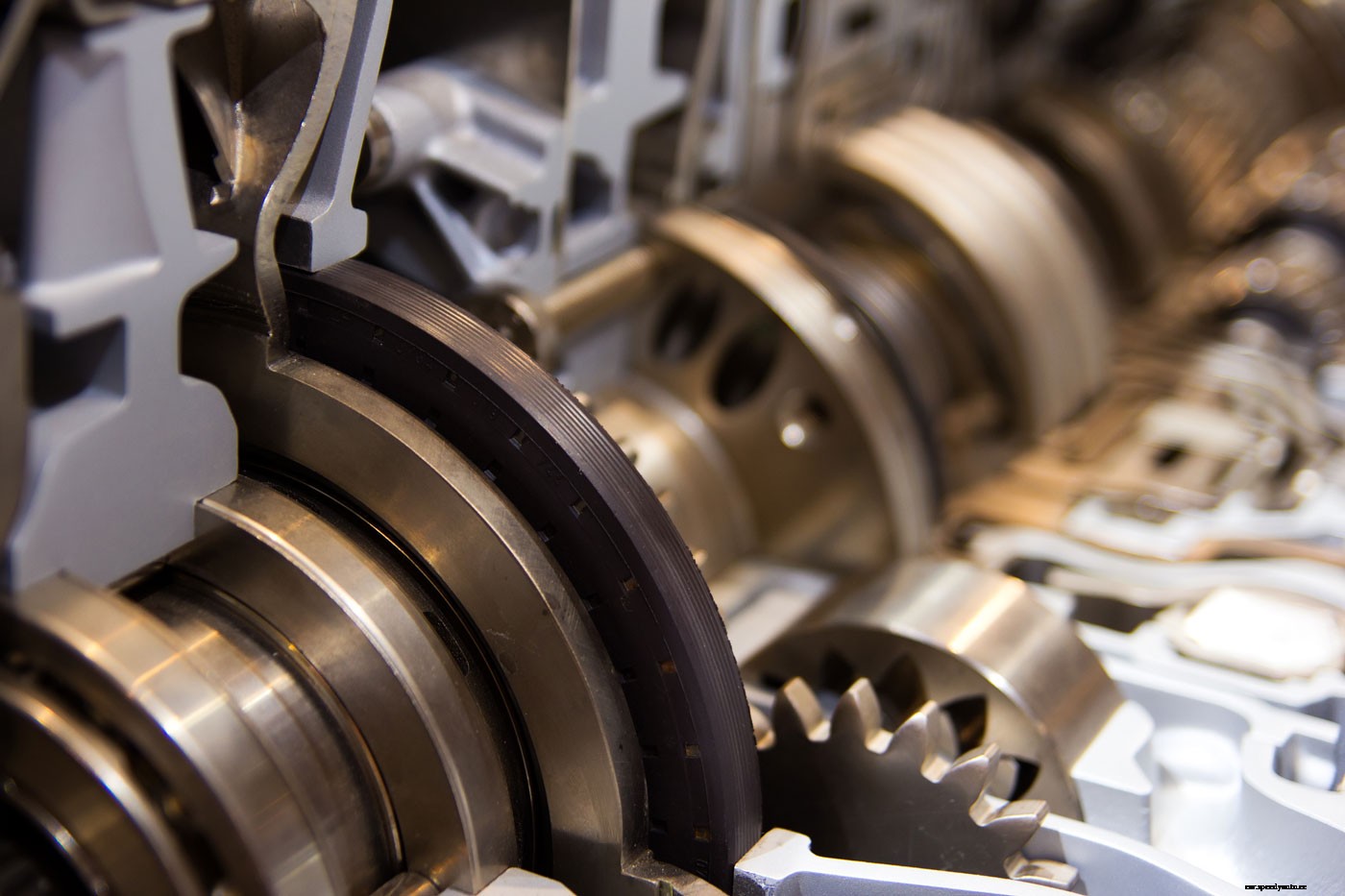
Believe it or not, your driving habits can impact more than just your safety on the road. They can also cause or prevent extra wear and tear on your car, including the transmission. Keep major transmission repairs at bay by watching how you drive and nipping bad habits in the bud.
When you back out of a parking spot, do you wait until your car stops again before shifting into Drive? If not, you could be causing extra wear on the working parts of your transmission. Shifting from Drive to Reverse, or vice versa, is the toughest transition for your transmission and forcing it to happen while the car is still in motion only exaggerates that wear. Any time you’re backing up, or find you need to change to reverse while moving forward, make sure your car is stopped before changing gears.
Harsh acceleration that ramps up the RPM is tough on your car’s transmission. That’s why stop-and-go city driving is harder on your transmission than highway driving. When first gaining momentum, your car uses higher RPMs to get the car moving, which both burns through more fuel and causes more wear on your car. While you can’t necessarily control where you have to drive, you can control how harshly you step on the gas to minimize that wear as much as possible.
