
Got a battery problem? The cause of your issues could be an old car battery – or it could be your habits, the environment, or overdue maintenance. There are a number of things that can wear down your battery, from a problem with your electrical system to simple forgetfulness. Either way, it’s a good idea to know which of your habits can cause a drained battery – and some of them may surprise you. If you’re having trouble with your car battery and changing these habits doesn’t help, it may be time to consult a mechanic.
Believe it or not, the length of your trip impacts your car battery. Your next thought may be that longer trips would be harder on your battery, just like they require more gas. But that’s not the case. In fact, it’s the opposite, because your car battery builds its charge while you drive.
After jumping your car battery, longer drives are better for good reason. Your car battery charges while you drive, so taking a short drive means it’s likely your battery only partially charged. This becomes a bigger problem when you’re dealing with a car battery that’s low on charge or empty and you need to get all the charge you can from each driving trip.
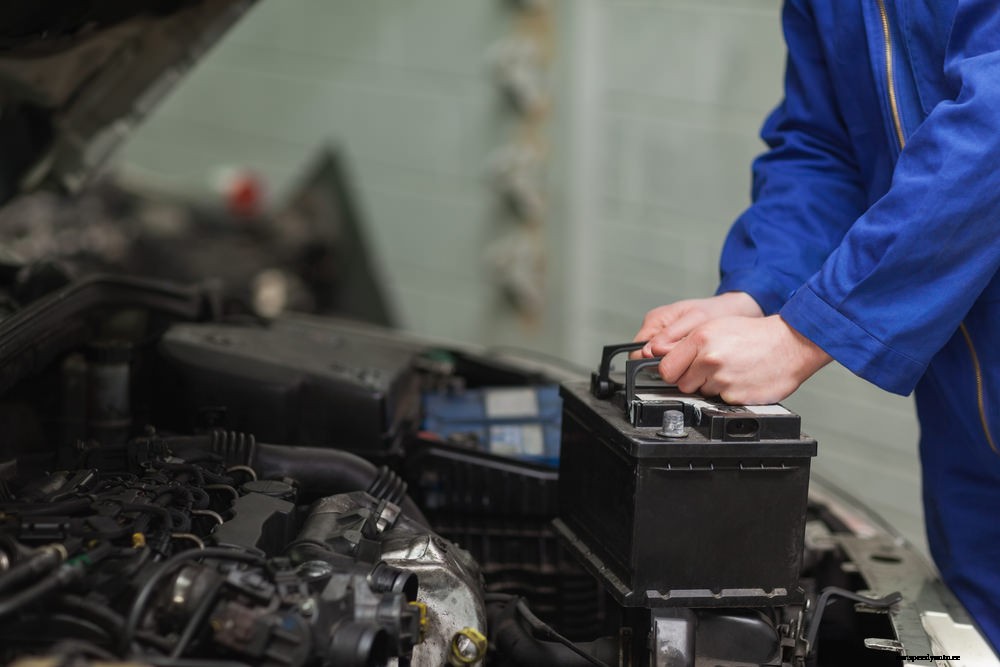
Just like your engine oil and tire pressure, you should check your car’s battery on a regular basis. In particular, take a look at the wires and terminals to make sure they aren’t covered in dirt or corrosion. If you do notice some corrosion, it’s an easy fix. Sprinkle some baking soda on the terminals, give them a good scrub with an old toothbrush, then pour water over them to rinse off the baking soda. In most cases, this will get rid of most of the corrosion and you could notice an improvement in performance from your battery.
When too much dirt and corrosion builds up on your car’s battery terminals, it can inhibit the flow of electricity both into and out of the battery. Not only will it be harder for your battery to send out adequate power, but it will also be harder for your battery to fully charge. Cleaning your battery terminals from time to time as you notice dirt and corrosion begin to build up is a good maintenance habit to adopt.
The weather swings in Colorado aren’t just hard on us, they’re also hard on cars. Temperature extremes, severe weather, and changing seasons all have an impact on your car’s systems and exterior, including the battery. Whenever possible, it’s helpful to park your car in a garage that will help shelter it from the seasons.
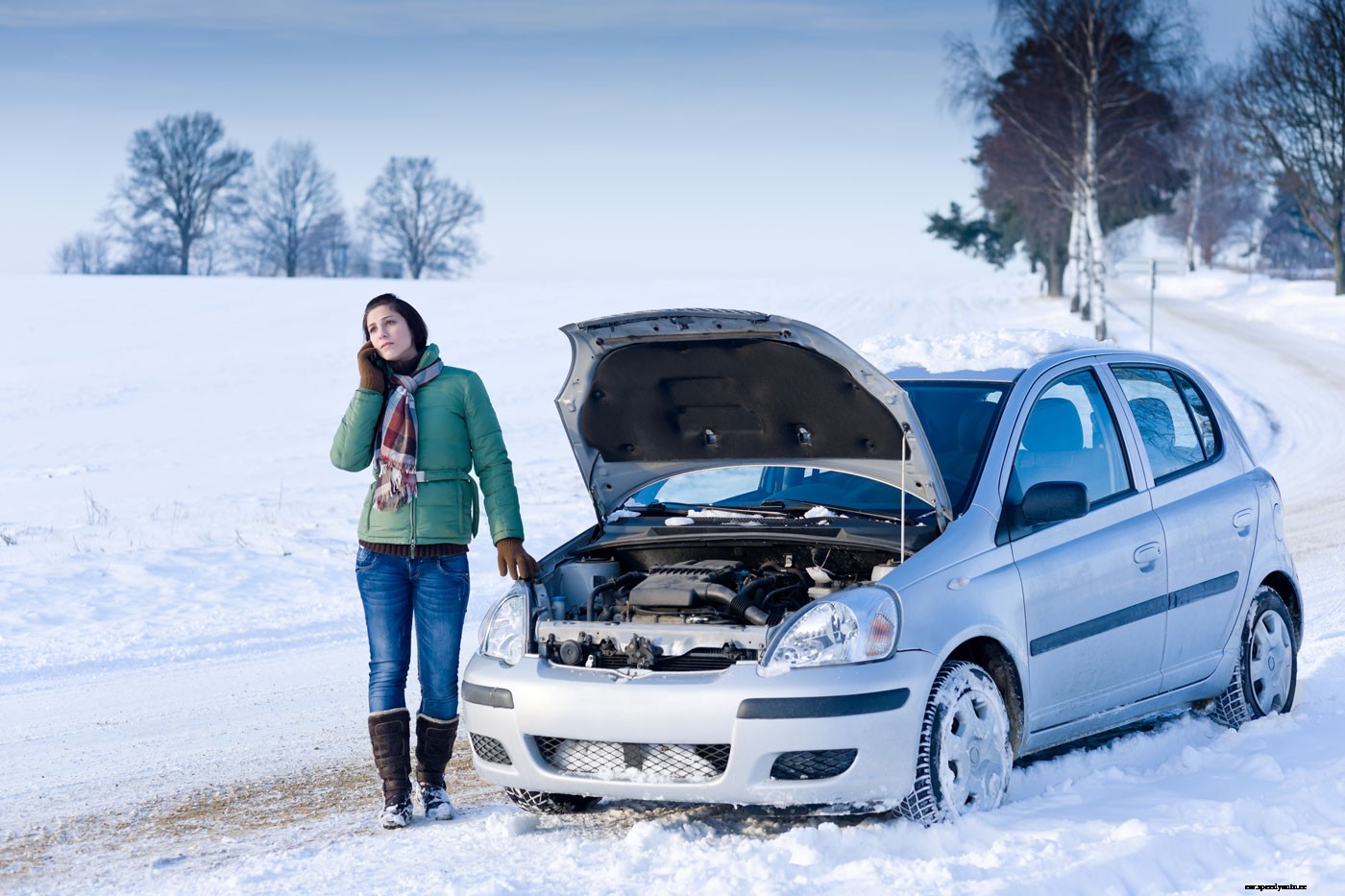
Whether it’s winter or summer, take your car battery into consideration with the difference in temperatures. With freezing temperatures, your car battery has to work harder to get the engine running because your engine oil will be thicker. Your battery also may be less able to hold a charge with colder temperatures. In the summer heat, your battery fluid may evaporate, which can damage the internal structure of your battery. In either case, you may start to notice a battery that doesn’t hold much charge or frequently dies.
You may be surprised to learn that leaving your car unlocked can actually wear down your battery. While it’s a good idea for safety and to prevent theft, being sure to lock your car when you walk away also lets your car relax, not just you.
Many modern cars run readiness checks when a car is left unlocked. If you have an older car, this may not be the case for you, but if your car has this feature, it can easily cause a drained battery if you tend to leave your car unlocked. Think of this as similar to leaving your overhead light or headlights on overnight – you may come out to a dead battery in the morning.
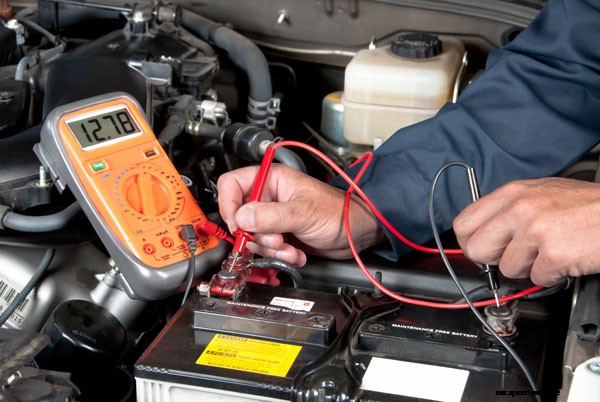
You may associate regular car maintenance with other systems in your car, like the engine, transmission, and brakes. However, it will also help your car battery and electrical system. Many small problems can go unnoticed until they’re suddenly larger problems that can cause you trouble. Having a mechanic regularly test your car battery and connected wires can help head off a drained battery.
Bring your car to AAMCO Colorado mechanics for electrical system diagnostics and we’ll run a courtesy check on all connected parts that could contribute to a problem. We’ll test your battery’s charge load and connections, as well as the condition of the case, hardware, and alternator belts. While this cannot guarantee you’ll avoid a dead car battery, it will help ensure we catch anything at that time that could cause a drained battery that could leave you stranded.
