
One of the good things about a modern car is the way it adapts automatically to climate changes. Come rain, snow, ice, or a scorching day in summer, cars cope with changes in temperature and environment. But although much of the time seasonal changes bring no problems, some checks are advisable as winter ends and spring turns to summer.
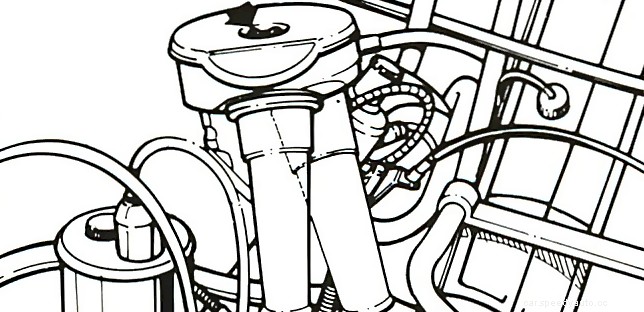
This is likely to be the main area of concern. The system will have been underworked during the winter, not just because the weather is cooler so the engine does not run as hot, but because the heater will have been on for much of the time. This helps out the cooling system by acting as an extra radiator .
Start off with visual checks examine all hoses for perishing and check for evidence of dripping from hose joints. Although it's not a good idea to disturb a sound joint, it is worth checking the condition of the hose clips and replacing any that are corroded.
With the coolant topped up to the right level, drive the car for some distance with the heater switch ed off. This will tell you if the engine will keep cool without it and whether it is possible to switch the heater off fully. If the heater has been left switched on for some months, the water valve may have become corroded or blocked by corrosion.
The answer to both these problems if they are not too serious is to
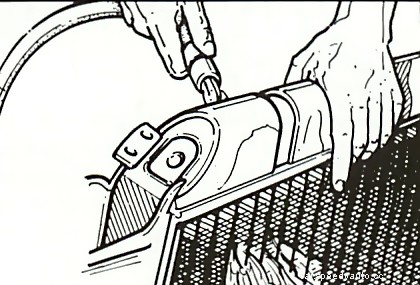
flush the system out fully with a hose pipe. Alternatively, add a flushing agent to the radiator, run the engine so that the agent can loosen any deposits in the system, then drain the coolant and refill.
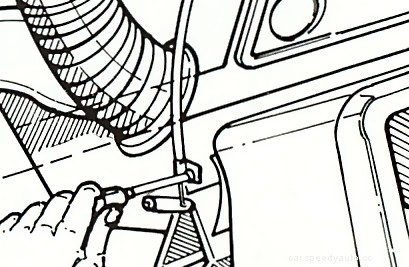
If the heater will still not shut off fully, check to see that the cables are secured - often, the outer cables are held to the heater body or bracket by spring clips and these can sometimes come adrift.
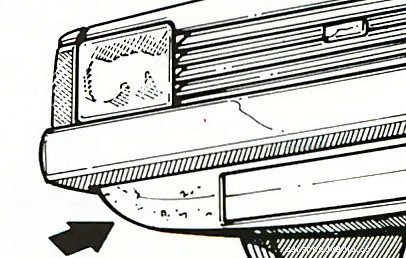
With a mechanical fan , check the drive belt. There will have been more load on the generator during the winter as it will have been powering more electrical equipment, and this may have worn it. If the belt is cracking on its inner face, renew it. A correctly tensioned belt has about 1/2in (13mm) of slack midway between the farthest two pulleys for an alternator and 3/4in (19mm) for a dynamo.
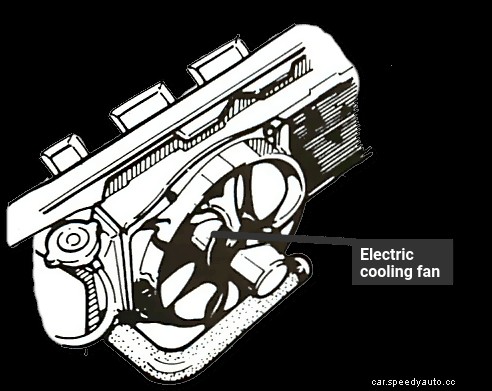
Most electric fans have a thermostatic control so that they cut in only when needed. When the engine is hot after a run, let it tick over for a few minutes: the fan should cut in as the engine temperature rises. You should be able to hear it, but if in doubt, lift the bonnet and have a look.
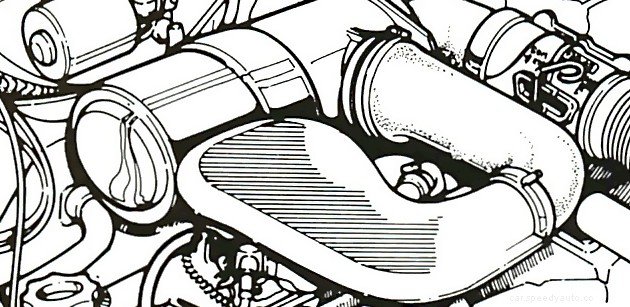
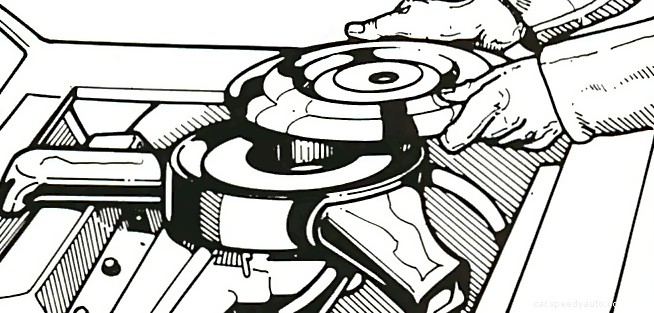
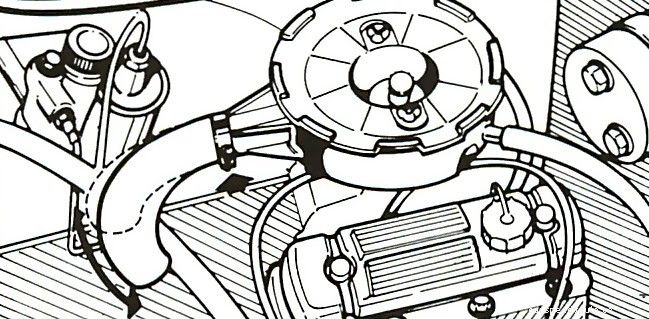
Most modern cars have an automatic air intake temperature control, but on some you have to reset the filter or its housing to a different position so that the engine is not sucking in un-needed hot air throughout the summer.
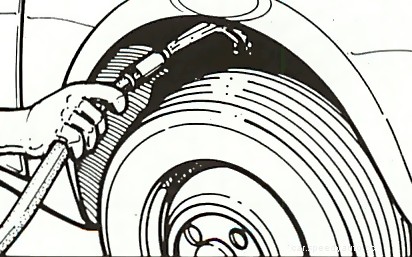
Most underbody corrosion occurs in summer, when the salt, wet mud and grit that has collected underneath gets a chance to react with the metal. Because the salt absorbs moisture from the atmosphere, the corrosive poultice that forms never dries out. It eats away at the underbody protection and finally at the metal itself.
