
A turbocharger is also referred to as turboengine or turbo. Often used to boost power performance, a turbocharger makes use of engine exhaust to produce more power. It is used to get better fuel economy and more power out of a smaller, lighter engine. To better understand their impact on speed and performance, let’s take a look at how a turbocharger works.
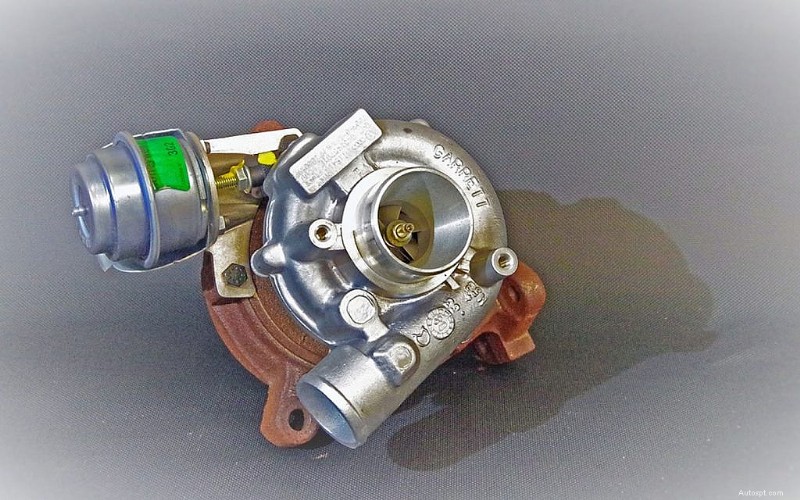
The main purpose of a turbocharger is to enhance the power of the engine. It works for both diesel and petrol engines, with a slight difference in how it enhances the performance of the engine.
In a standard 4-stroke diesel engine, the air is forced into the cylinders for combustion via atmospheric pressure. This is the reason diesel engines are also known as naturally aspirated engines. At a higher speed, the atmospheric pressure is unable to compensate for the higher RPMs, and the efficiency of the diesel engine is reduced. Therefore, turbochargers are used to boost engine efficiency. As petrol engines already operate at higher RPMs and temperature, the turbocharger allows the engine to achieve speed more quickly as compared to diesel engines.
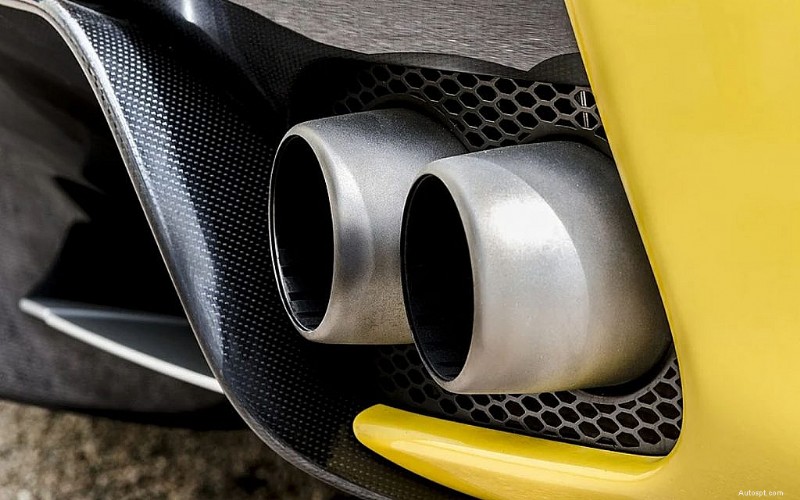
A standard car turbocharger comprises a shaft that has a compressor wheel on one end and a turbine wheel on the other. Both wheels look the same and are covered by a coil-like housing. The car exhaust system has a exhaust outlet which is connected to the inlet port of the turbine wheel. The thermal energy from the engine (hot gases) is converted into kinetic energy by forcing the turbine wheel to rotate and exit via an outlet.
Since the compressor wheel shares the same shaft as the turbine wheel, it also rotates at the same speed. The rotation draws in the air for compression while directing the compressed air into the engine.
Another key component of a turbocharger is the intercooler. The turbocharger compresses the air and increases its density. Hence, more air is forced into the engine cylinders for combustion. The compression process raises the temperature of the air, which in turn makes it less dense. To reduce the temperature of the compressed air, an intercooler is connected between the turbocharger and the engine.
Turbochargers are quite expensive as they are designed for durability to operate in a high-temperature environment. The price varies depending on the brand or model of the vehicle it is designed for. On average, a turbocharger can cost between AED 1500 to AED 3000 for mid-range brands. However, for some luxury brands, the price can reach up to AED 20,000. So, it boils down to the car you have and the kind of boost you are looking for.
A vehicle with a blown turbocharger may show the following signs:
Car turbochargers failure is often the result of either excessive wear and tear or interaction with a foreign element. Let’s look at some common causes that may damage turbocharged vehicles:
A car turbocharger has a range of benefits along with some downsides. Let’s take a look at the common advantages and possible drawbacks of a turbocharged engine.
Now you know how turbochargers improve engine performance and efficiency through their own exhaust gases. Check out our listings of auto accessories and parts for sale in Dubai for all kinds of replacement automotive parts.
Stay tuned to the UAE’s leading auto blogs for more information on car parts, market trends and automotive technology.
