
If your car’s engine heats up too often and burns more fuel than it should, then it is time to check your coolant temperature sensor (CTS). The car’s coolant temperature sensor is one of the crucial parts of our vehicle. It is designed to measure and balance the heat inside the engine through coolant temperature. So follow along, and we will show you how to replace, check, and locate a coolant temperature sensor.
As mentioned earlier, the coolant temperature sensor resistance checks the temperature of the coolant. The sensor is also responsible for absorbing the heat from the engine and that it works properly. It works like a thermistor, decreasing its internal resistance when the temperature increases and vice versa.
When the coolant is at a very low temperature, the sensor prompts the system to use more fuel in the mixture. The mixture of fuel and air is different when cold than when hot.

To see if the sensor is faulty or damaged, keep an eye on the following signs.
The first clue is the engine temperature needle on the frame of your car. If this indicates a high temperature even when the engine is cold or the other way around, it warrants an inspection. In this case, the sensor might not be getting the right voltage, which can be checked with a voltmeter. The ideal coolant temperature sensor resistance values would be between 2 volts at the cold engine and 0.5 volts hot at the hot engine.
A sensor’s job is to report the car’s coolant temperature accurately. In case the coolant temperature sensor goes down, it sends a false signal to the car computer. Usually, a bad fuel temperature sensor sends the computer a permanently cold signal even when the engine is hot. The computer works according to the signal it receives. It ultimately affects fuel economy and causes turbulence in engine performance.
One of the common reasons for damaged coolant temperature sensor symptoms is that it surprisingly increases the consumption of the car’s battery without changing driving habits. This is why your car’s engine starts idling.
Another possible reason for a problematic coolant temperature sensor is black smoke from the engine. A damaged coolant temperature sends a cold signal which causes an excessively enriched fuel mixture. Such fuel cannot burn adequately in the combustion chamber exhaust pipes. It ultimately causes black smoke, which is also a warning for a faulty coolant temperature sensor.
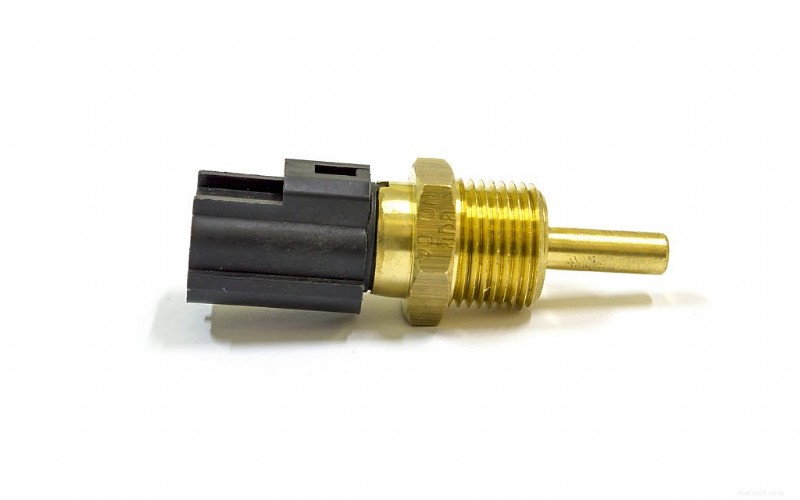
The process of the replacement of a coolant temperature sensor is quite simple. The hard work, however, is in preparing the cooling system, both before and after the replacement.
In some vehicles, the coolant temperature sensor location is around the upper section of the engine block or you can also find it around your car’s cylinder head. In some V8 and V6 engines, the coolant temperature is placed under the intake manifold. Here is all you need to know about cracked cylinder heads.
Besides these, you can also buy other car tools online in the UAE at reasonable rates.
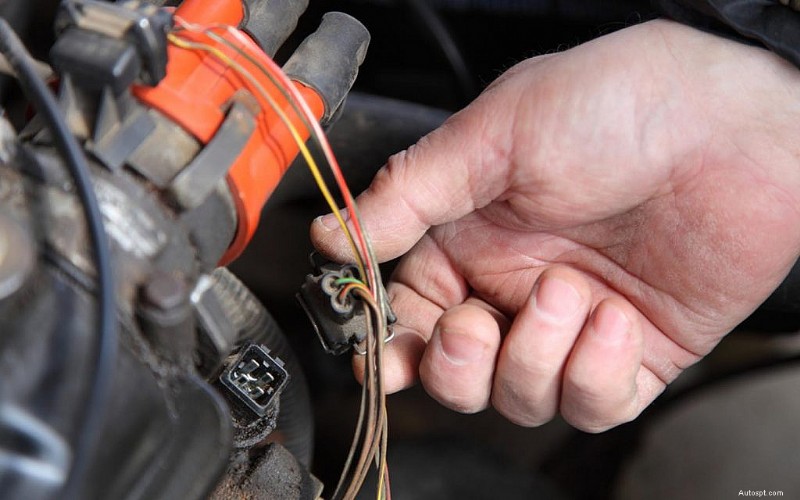
Below are some easy steps that can help you in coolant temperature sensor replacement. However, It is advised to always check with a professional if you’re not a pro with a car’s mechanics.
Moreover, if you are thinking of upgrading your vehicle and adding more accessories to it, check out the huge variety of auto parts for sale in the UAE at competitive rates. When it comes to upgrading, you can also buy a used car for sale in the UAE at affordable rates.
Irregular temperature reading, unstable idle, black smoke, overheating engine and poor fuel economy are some of the symptoms of a bad coolant temperature sensor.
The ideal coolant temperature sensor resistance values would be between 2 volts at the cold engine and 0.5 volts hot at the hot engine.
In some vehicles, the coolant temperature sensor is located around the upper section of the engine block or you can also find it around your car’s cylinder head. In some V8 and V6 engines, the coolant temperature is placed under the intake manifold.
Stay tuned to the UAE’s leading auto blog for more information on car repair service, maintenance and insurance.
