
Hydraulic brakes are among the most commonly used braking systems in cars. This system uses a special pump i.e. master cylinder for generating pressure that drives smaller cylinders. The cylinders press the pads against a drum or spinning metal disc to stop the car as you press the pedal.
If air enters the hydraulic system, the pedal can become spongy due to which the brakes don’t work as they should. It is a common problem faced with hydraulic brakes, and a major hazard. However, you can make the spongy brake pedal more sensitive by taking the air out from the brake system. This process is also referred to as ‘bleeding air’. Bleeding car brakes is essential as it increases the efficiency of the brake system.
Read on to know what causes spongy brakes, how to fix them by making slight brake pedal adjustments.
Your car may have spongy brakes due to:
The reservoir must contain over three-quarters full of brake fluid. Anything under this level is concerning and can result in brake failures and fatal accidents.
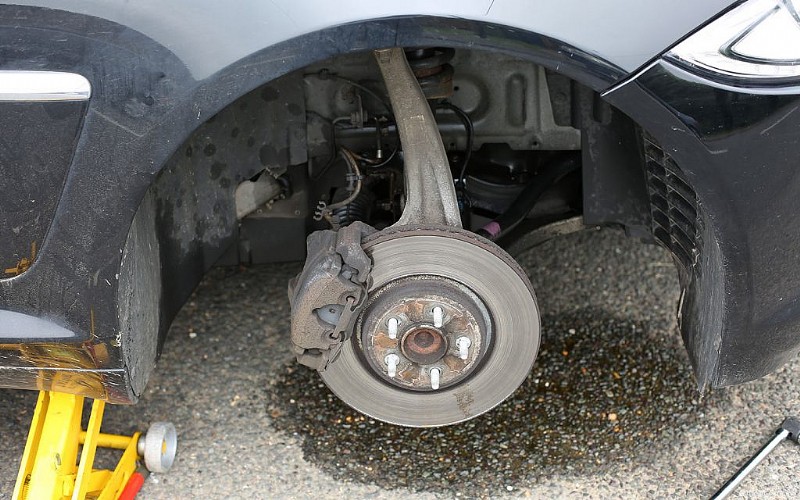
Brake fluid leaks can heavily affect the brake pedal sensitivity that may lead to a safety hazard. Sudden changes in the car’s brakes indicate a brake fluid leak. For instance:
A car’s reservoir must have more than three-quarters of brake fluid. If the quantity is below this level, it may lead to adverse consequences. It is always recommended that you keep a check on the signs that indicate your car brakes need repair. Given the severity of the problem, head to a service centre.
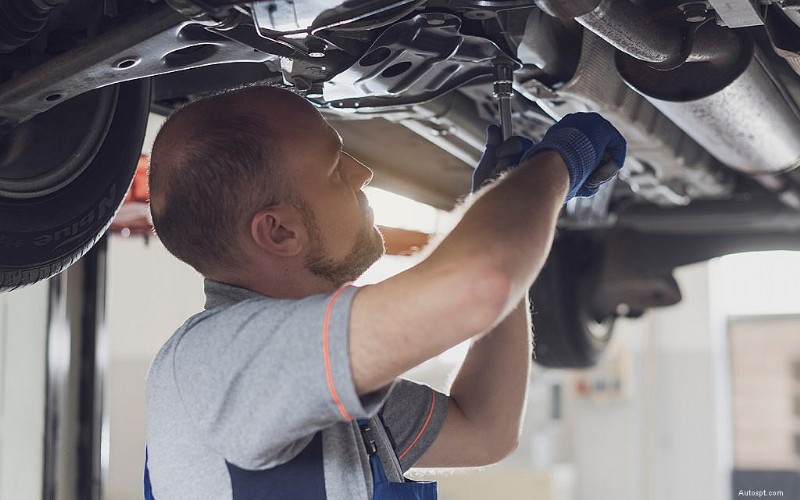
Here are the steps involved to make spongy brakes more sensitive:
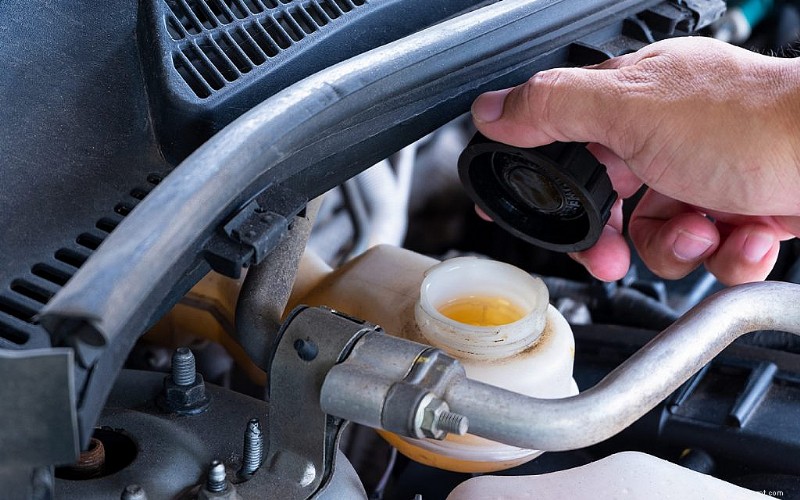
Open the bonnet and search for the master cylinder reservoir. It’s a plastic container in the engine compartment on the driver’s side. Fill the brake fluid by removing the cover of the master cylinder.
Elevate the back or front part of your car using a floor jack. Place the jack stand below a safe area. Lower the car until all the weight is on the jack stands and it is safe to let go.
Fill the master cylinder reservoir with new brake fluid to about 3 inches.
Place the rubber hose on the bleeder valve. The brake bleeder valve is located under the car at the top of the calliper. This is a 1/4-inch metal brake valve.
Next, place the other end of the hose in the brake fluid reservoir. Be cautious and make sure that it is entirely sunken in the fluid.
Get assistance to apply pressure and release the car brake pedal multiple times, till it becomes sensitive. While holding the brake paddle, loosen the brake bleeder valve. If you notice bubbles in the brake fluid at one end of the hose, then tighten the bleeder valve.
If no bubbles appear in the brake fluid from the hose, repeat Step 6.
Simply do steps 2 through 7 on the rest of the wheels.
Finally, remove the jack stands and lower the car to the ground.
The fluid level should be between the minimum and maximum lines in the master cylinder reservoir. If required add brake fluid and close the reservoir.
Regular maintenance of the car’s brake system can help maintain brake pedal sensitivity. Given below are tips you can follow to maintain your car brakes:
If there is a need to make spongy brakes more sensitive, the above steps will help you out. However, you may also seek professional assistance from an auto service centre. Besides, if you are doing it yourself, make sure you buy auto parts and the right tools that are required to make spongy brake pedal adjustments.
Stay tuned to UAE’s top auto blog for more how-to guides on the repair and maintenance of other auto parts.
