
Green Vehicle Maintenance is also required by many car owners. Many cars on the road these days are green, meaning that they reduce pollution and run more efficiently. Because a large number of newer vehicles these days are designed to consume less fuel, it’s possible you could even be driving one of the greenest gasoline vehicles and not know it. Regardless of the vehicle you drive, caring for it typically requires the same maintenance procedures—tire rotations, for example. Here is a look at a few green-vehicle types and how to care for them.
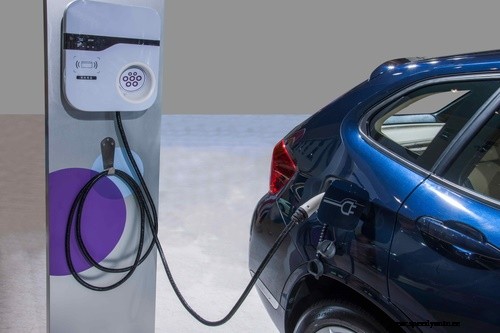
These vehicles run on renewable energy sources such as solar panels. Systems not related to the engine typically need maintenance like a traditional car does. For example:
You should have to replace your electric battery pack only after quite a few years. Over time, the batteries become less efficient. Warranties typically cover these packs for eight to 10 years, or 100,000 to 150,000 miles.
These vehicles are not as “green” as battery electric vehicles, but they are still pretty friendly. In addition, they can go about three times as long between refills. Follow the same basic maintenance guide suggested for battery electric vehicles. Again, no need to ever take your vehicle in for oil changes and the like. Your biggest challenge is likely finding places to fill up, so caring for this green vehicle means planning ahead on trips.
Hybrid cars use batteries, an electric motor and a gasoline engine. Some are full, some are plug-in, and some are mild hybrids. Hybrids do not require special maintenance schedules beyond what you would perform for a traditional car. However, you should expect to pay a little more for coolant changes on some models such as the Toyota Highlander, as they are more complex and time-intensive. Hybrid batteries last a long time, even up to 200,000 miles, and have extensive warranty coverage.
Other “green” technologies in cars include diesel, biodiesel, ethanol and compressed natural gas. Each type has its own advantages and disadvantages. For example, ethanol cars can have worse fuel economy, but on the plus side, driving ethanol reduces the need for oil. No matter what type of car you drive, though, you’ll need to perform regular maintenance in many areas such as wiper blades, tires and coolant like you would a traditional car.
You can use green principles even if you drive a conventional vehicle. For example, avoid weighing down your vehicle when possible; more weight means more fuel consumption. Perform regular maintenance such as:
Best practices include making gradual starts and stops, and driving 65 to 70 miles per hour on highways as opposed to driving 75 to 85 miles per hour. Also,
Always check your manufacturer guides, and feel free to contact an automotive specialist at All Around Auto if you have any questions.
