
As the warmer summer days are becoming fewer and further in between you may be tempted stop thinking about your engine’s cooling system. It only needs to be in tip top shape during the summer months right? It’s true that it’s important for your cooling system to function at its best during the summer, but it’s equally important to have it functioning properly during the cooler months as well.
Depending on the age of your coolant and how it was added to your cooling system, it’s possible that there is not a high enough concentration of antifreeze. Without the proper ratios of antifreeze and water, it is possible that your cooling system may freeze during the winter months on cold nights. Since water expands as it turns into ice it can have catastrophic effects on your cooling system, causing damage and even cracks in your engine. Also, your vehicle uses hot engine coolant to warm the passenger cabin by running the coolant through the heater core and blowing cabin air over it. It is possible that over the summer while not using the heater it may have become blocked, leaving you with only cold air.
Regularly changing your coolant can help avoid many of these problems. Performing a flush of your coolant system each time you change your coolant can maximize the efficiency of your cooling system. Also, it can ensure it stays clean and that all the components are functioning at their intended capacity. Most mechanics recommend a routine flush every 40,000 miles, or you can check your vehicle owner’s manual for recommended coolant change intervals.
So now that you know it’s important to flush your cooling system, and you can’t remember when the last time it was done, let’s get started. First collect everything you will need for the job:
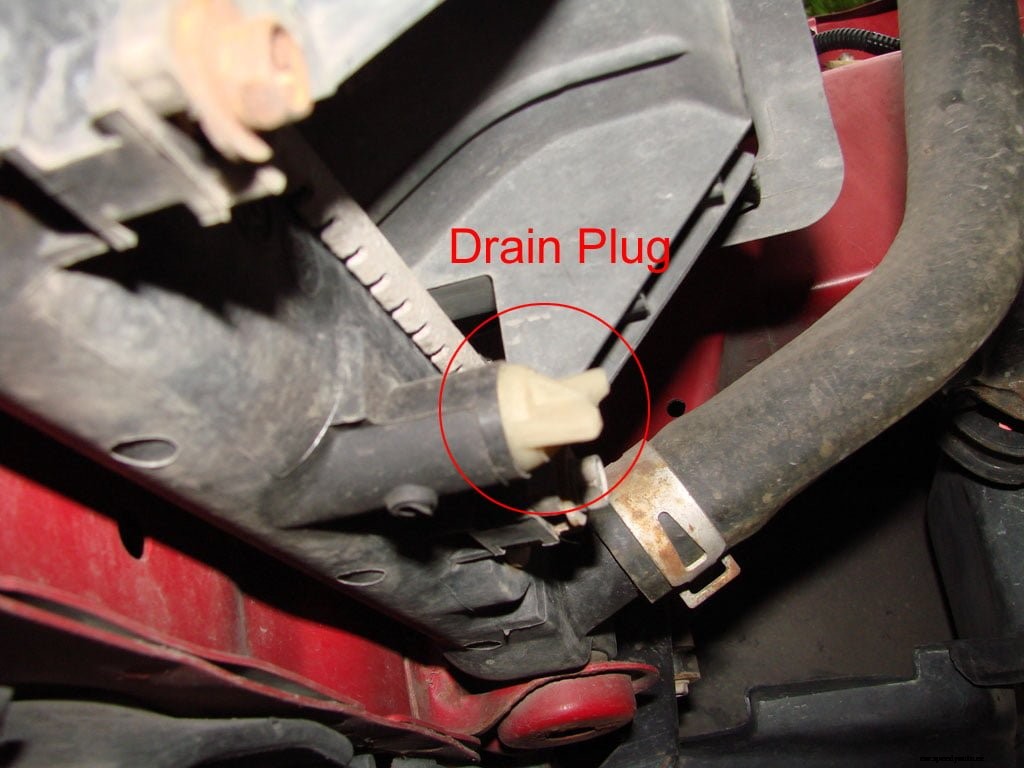
The first step is to drain the coolant that is currently in your vehicle. First, park it on level ground and make sure the vehicle is secure by putting it in park with emergency brake on and blocking the wheels if necessary. On most cars and trucks, there is a drain on the bottom of the radiator usually on one of the end tanks. You may have to remove a skid plate or some plastic panels to access the bottom of your radiator, and this should be done while the vehicle is cool. Many vehicles also have a drain on the engine block as well. This drain is normally on the side of the block and is usually a small valve with a barb for a hose operated by a wrench. Using hoses on these drains can help keep the job clean. A messier but quick way to drain the coolant is to remove the lower radiator hose from the bottom of the radiator. Be ready to catch a lot of coolant very quickly.
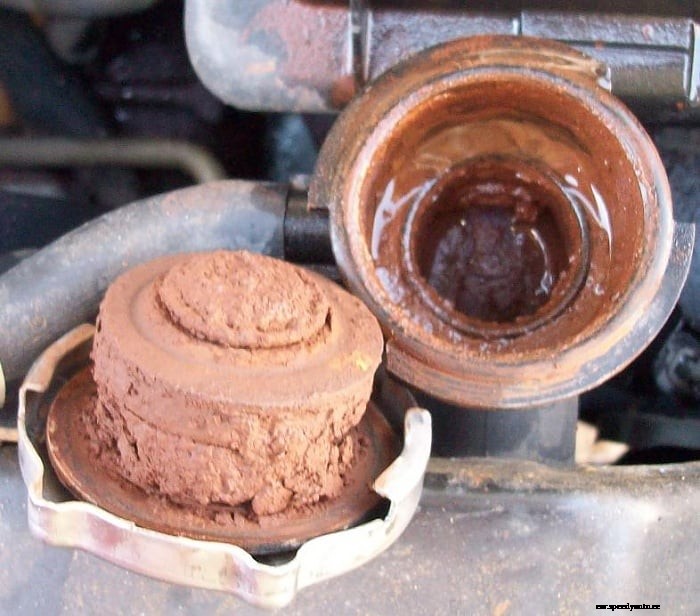 Once you’ve drained as much of the old coolant as you can, close all of your drains and add BlueDevil Radiator Flush to the radiator. Also add enough water to refill the radiator. In the case of severe corrosion (you can see clumps of dirt or metal floating in the coolant you just drained) it may be helpful or necessary to remove your thermostat prior to flushing the system to keep it from clogging and to allow faster coolant flow.
With BlueDevil Radiator Flush and water in the system, ensure the radiator cap is re-installed and start your vehicle. Watch your temperature gauge or warning light closely for signs of overheating during the flush, and ensure the cabin heater is turned on full. Let the vehicle run for 10 minutes after the engine reaches normal operating temperature to ensure the thermostat is fully open. Using caution, you can check to make sure the thermostat is open by checking the upper radiator hose for a rise in temperature.
Turn the vehicle off and let the engine cool. Once it is cool, drain the water as you drained the old coolant through the radiator and block drains or lower radiator hose. Next fill your cooling system from the radiator cap with the manufacturer’s recommended coolant amount and type for the climate you live in. Also, fill the coolant overflow bottle to the “cold full” line. You may need to “burp” your cooling system by leaving the radiator partly full, parking the car on a hill and idling the motor with the radiator cap open. This will allow any trapped air in the cooling system to come out through the radiator cap. Use caution while “burping” the system to avoid any contact with hot coolant.
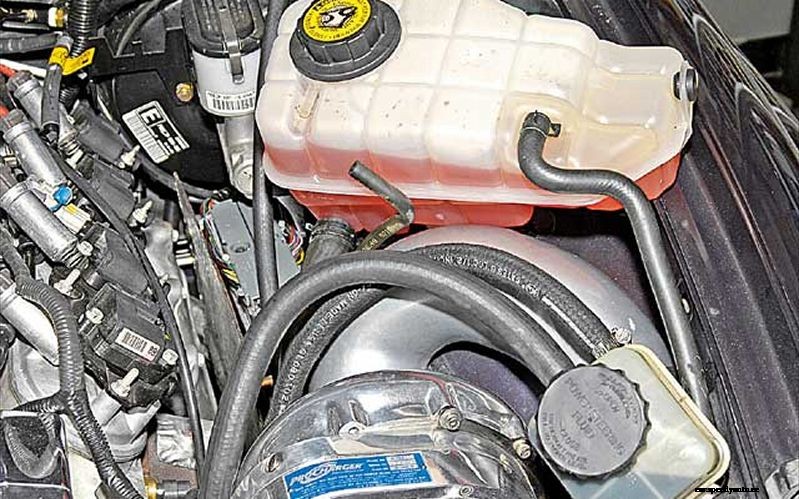
After a few days, check your coolant overflow tank level and add fresh coolant if necessary. Most coolant is toxic to plants and animals so always avoid spilling it and properly dispose of any coolant and water used to flush your vehicle’s cooling system.
You can purchase BlueDevil Radiator Flush at your local O’Reilly, AutoZone, Advance Auto Parts, NAPA, Pepboys, Car Quest Auto Parts, Bennett Auto Supply and Prime Automotive. You can also purchase it online. Get started today!
Pictures courtesy of www.highperformancepontiac.com, www.cherokeeforum.com and www.wonderbart.com
